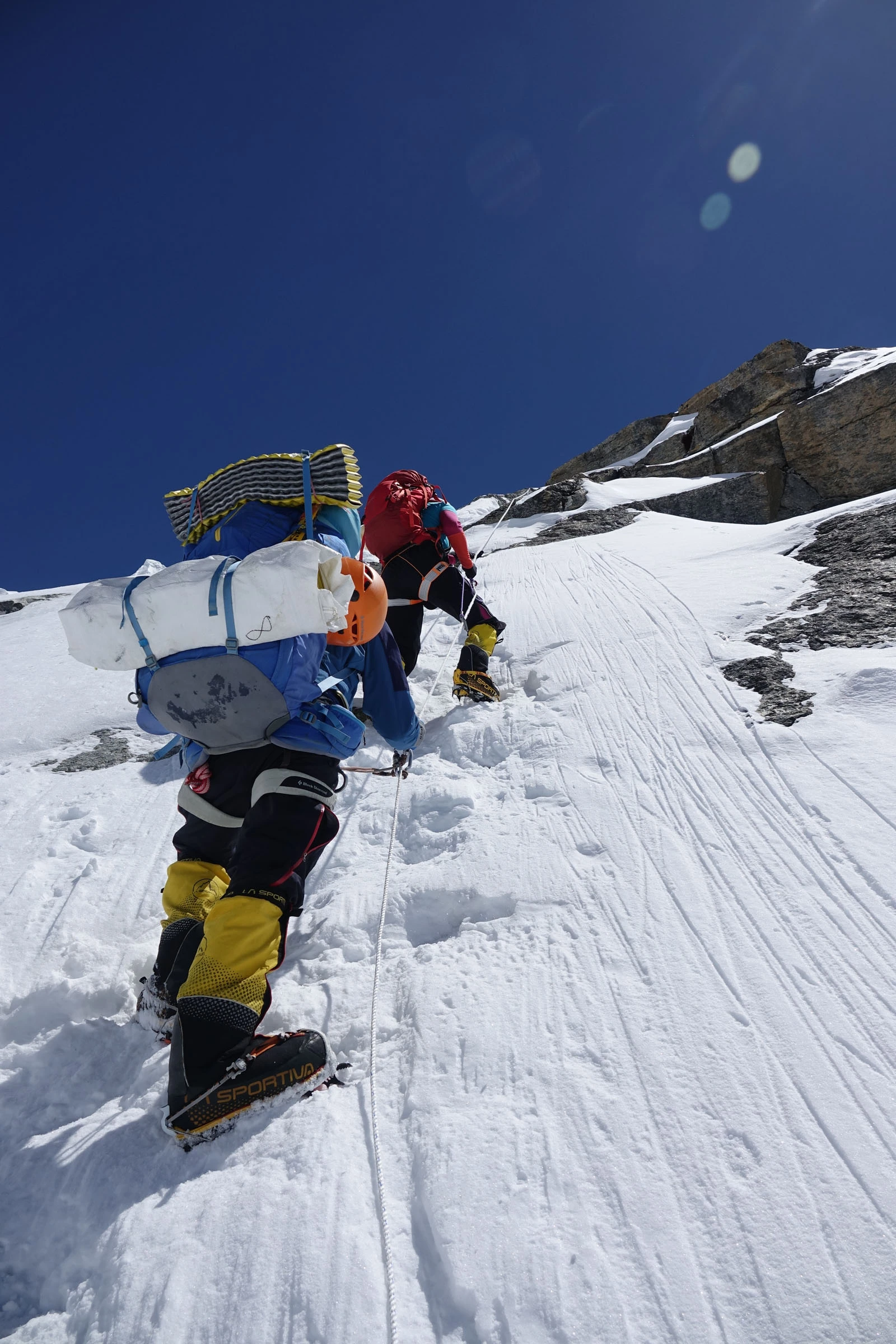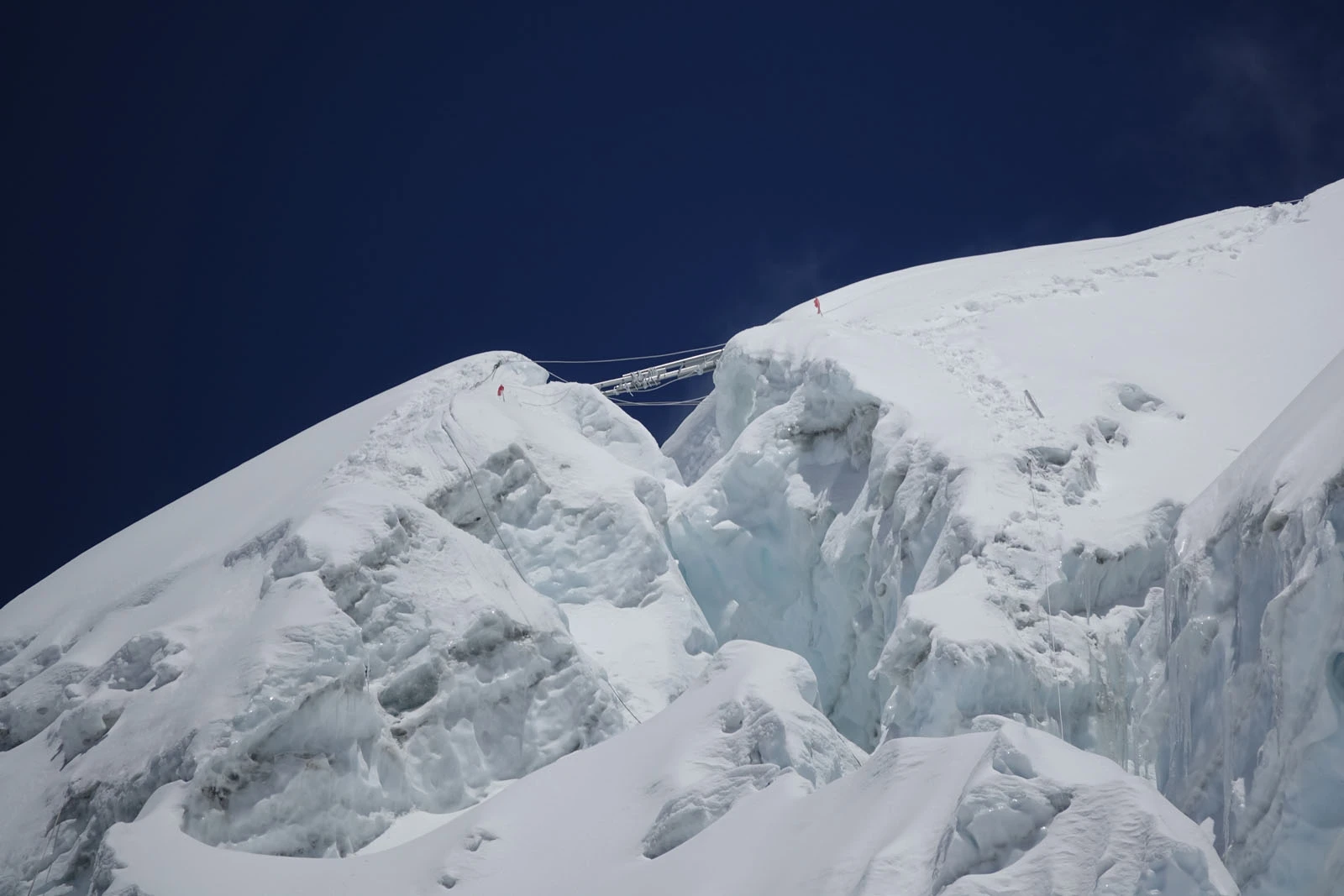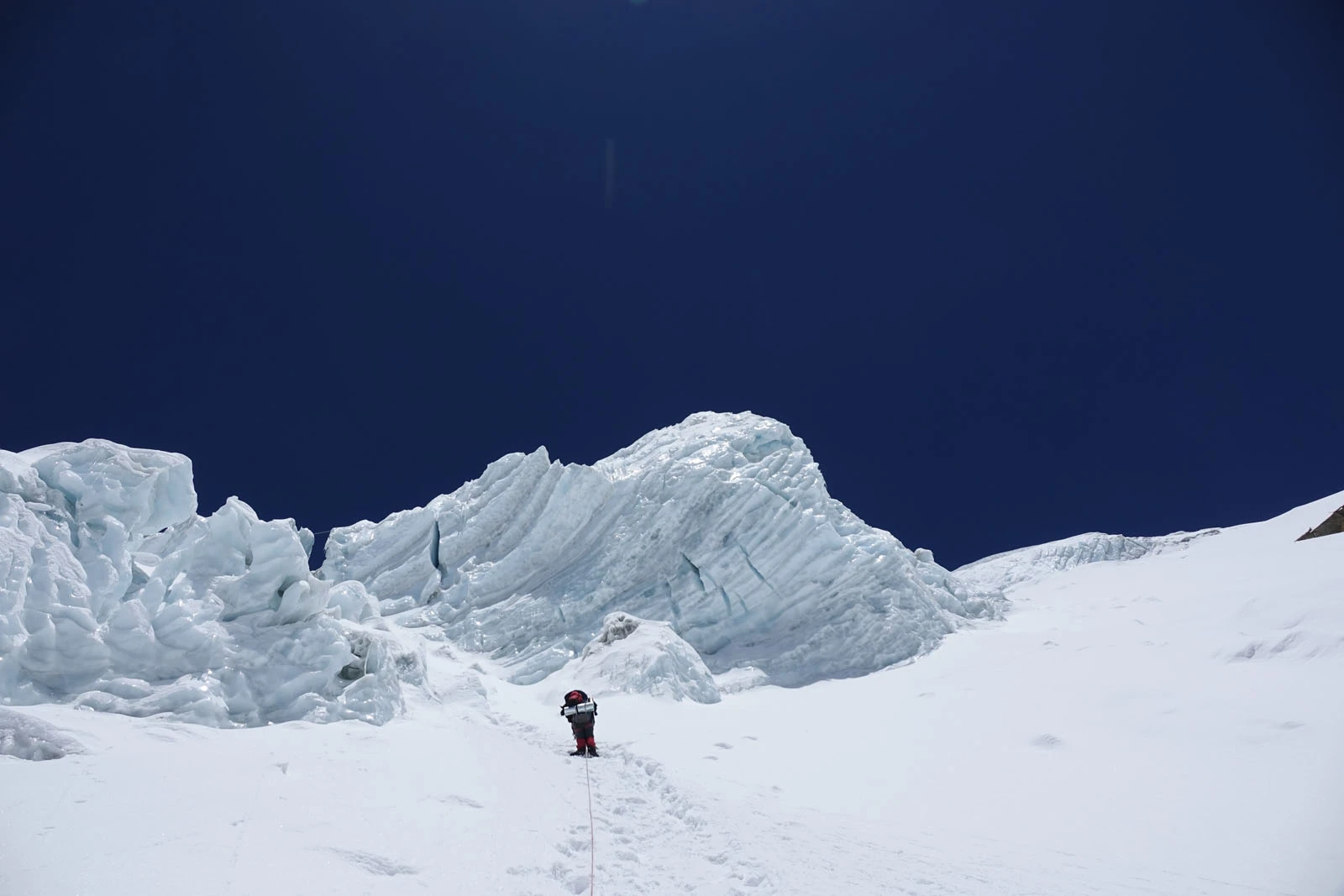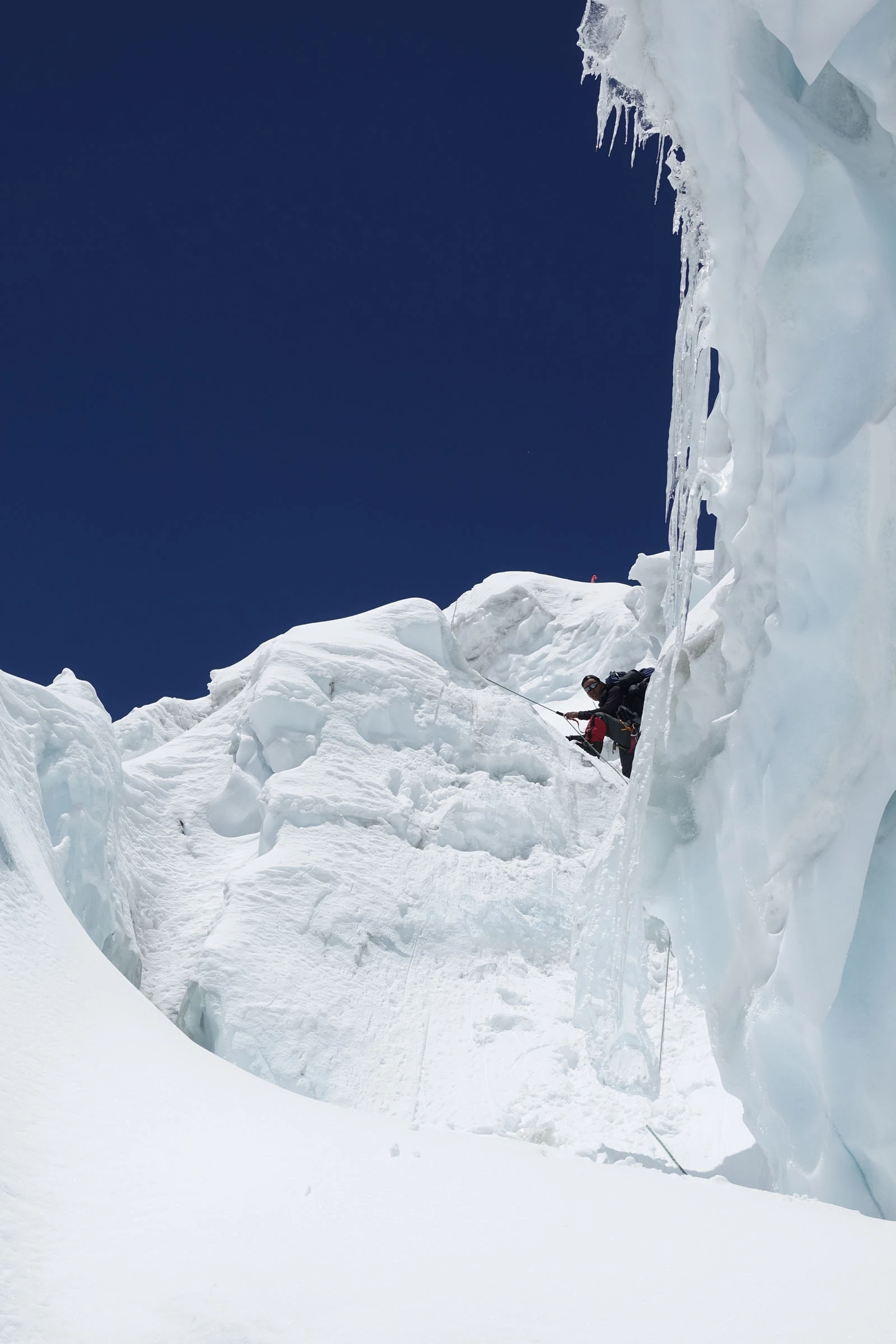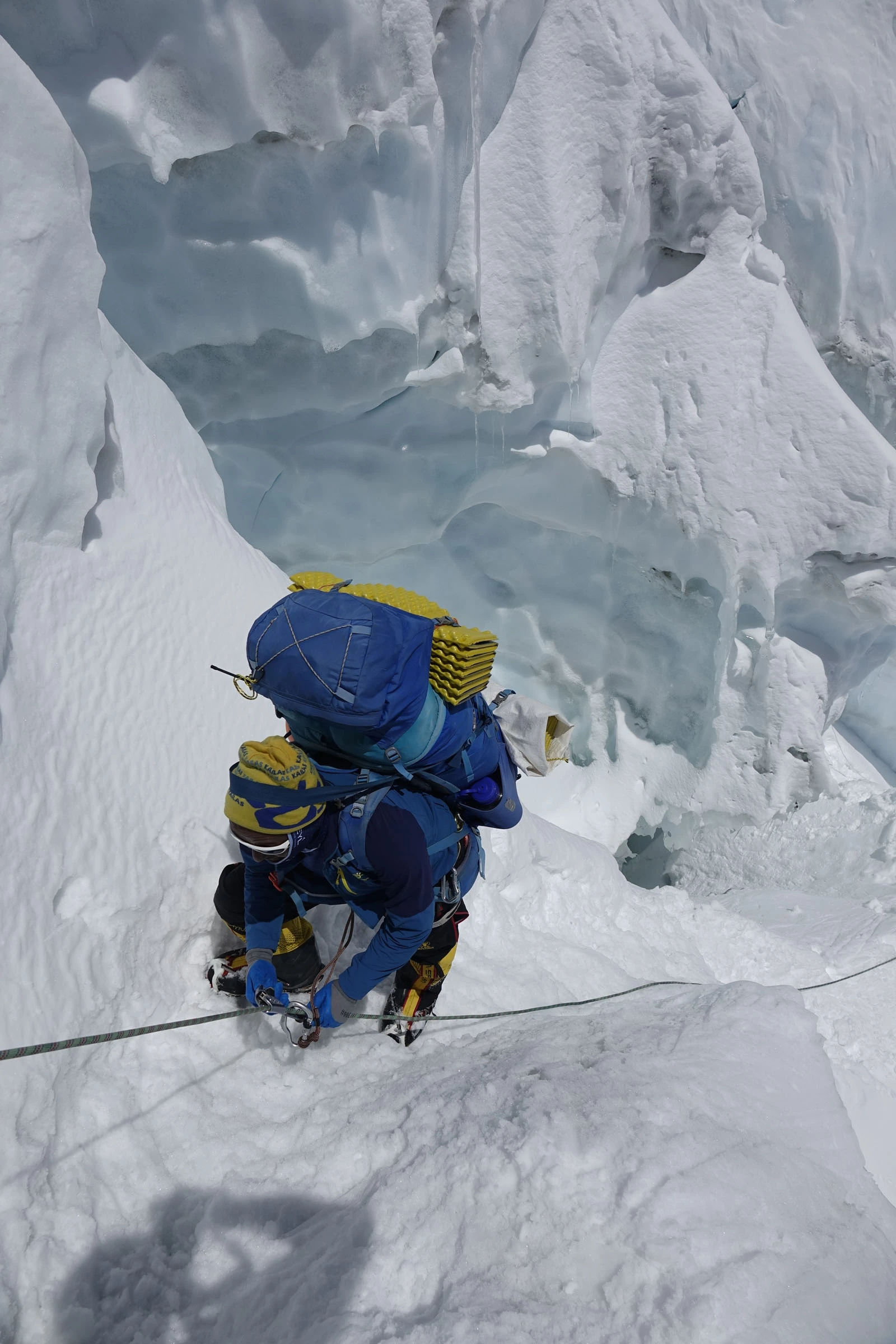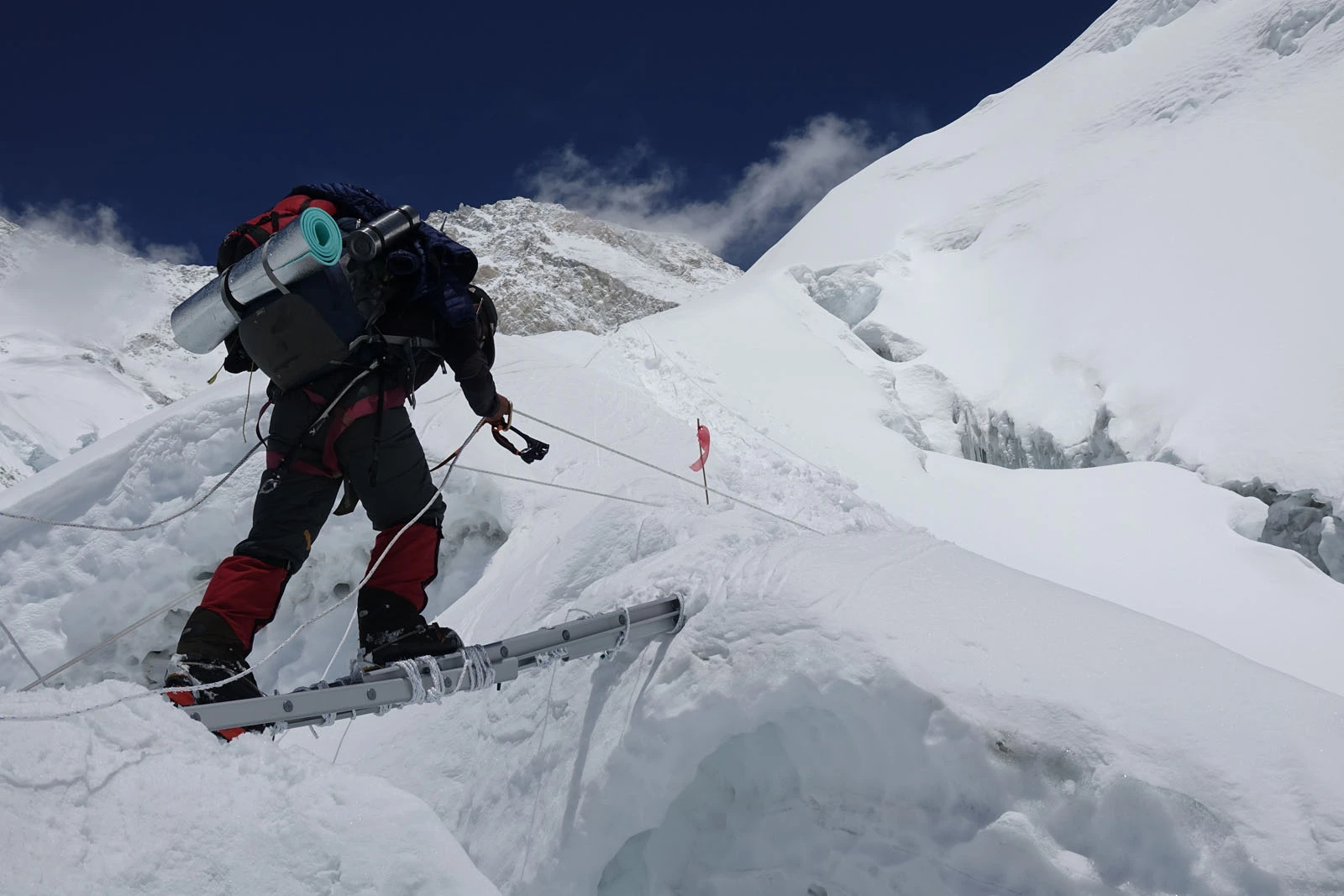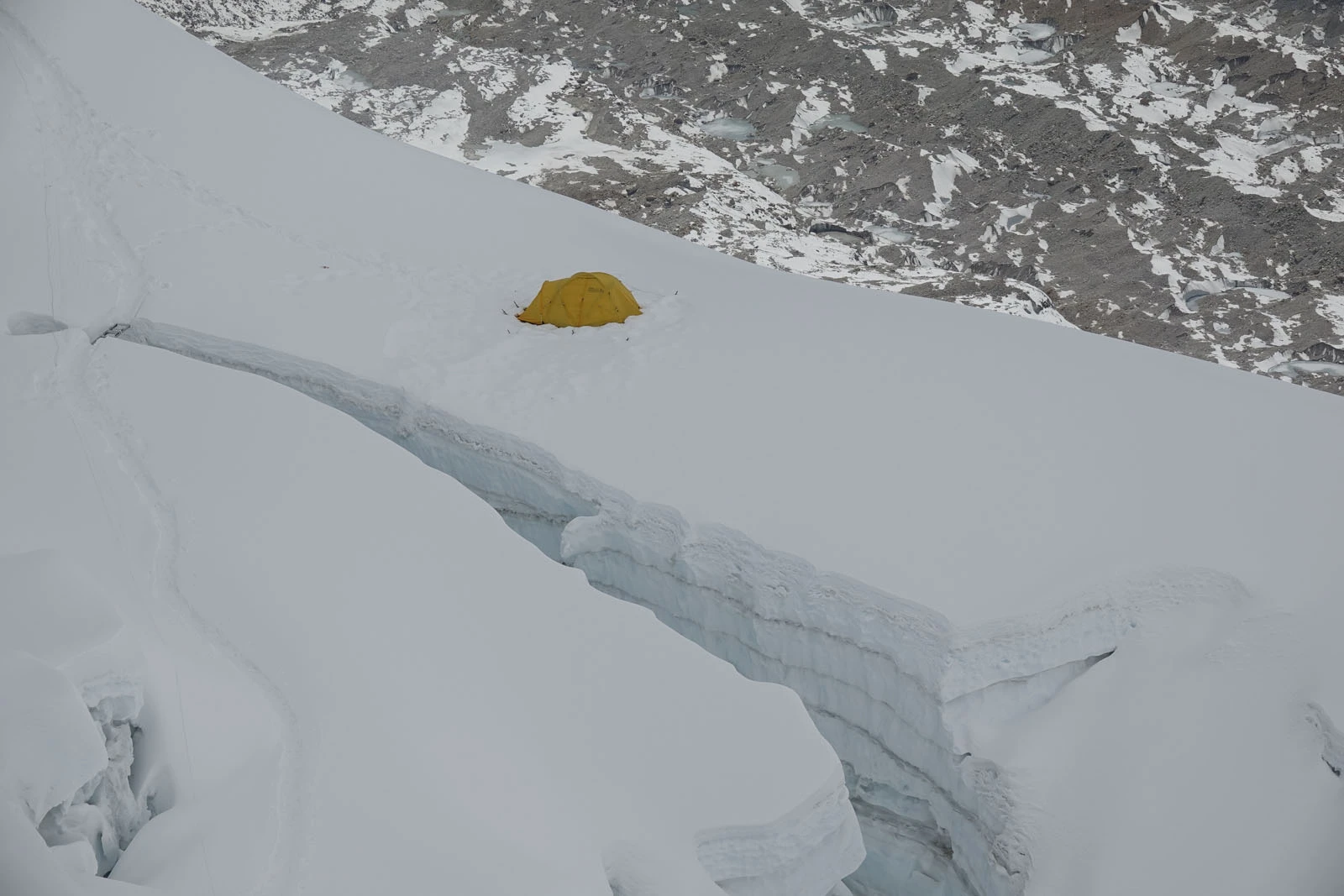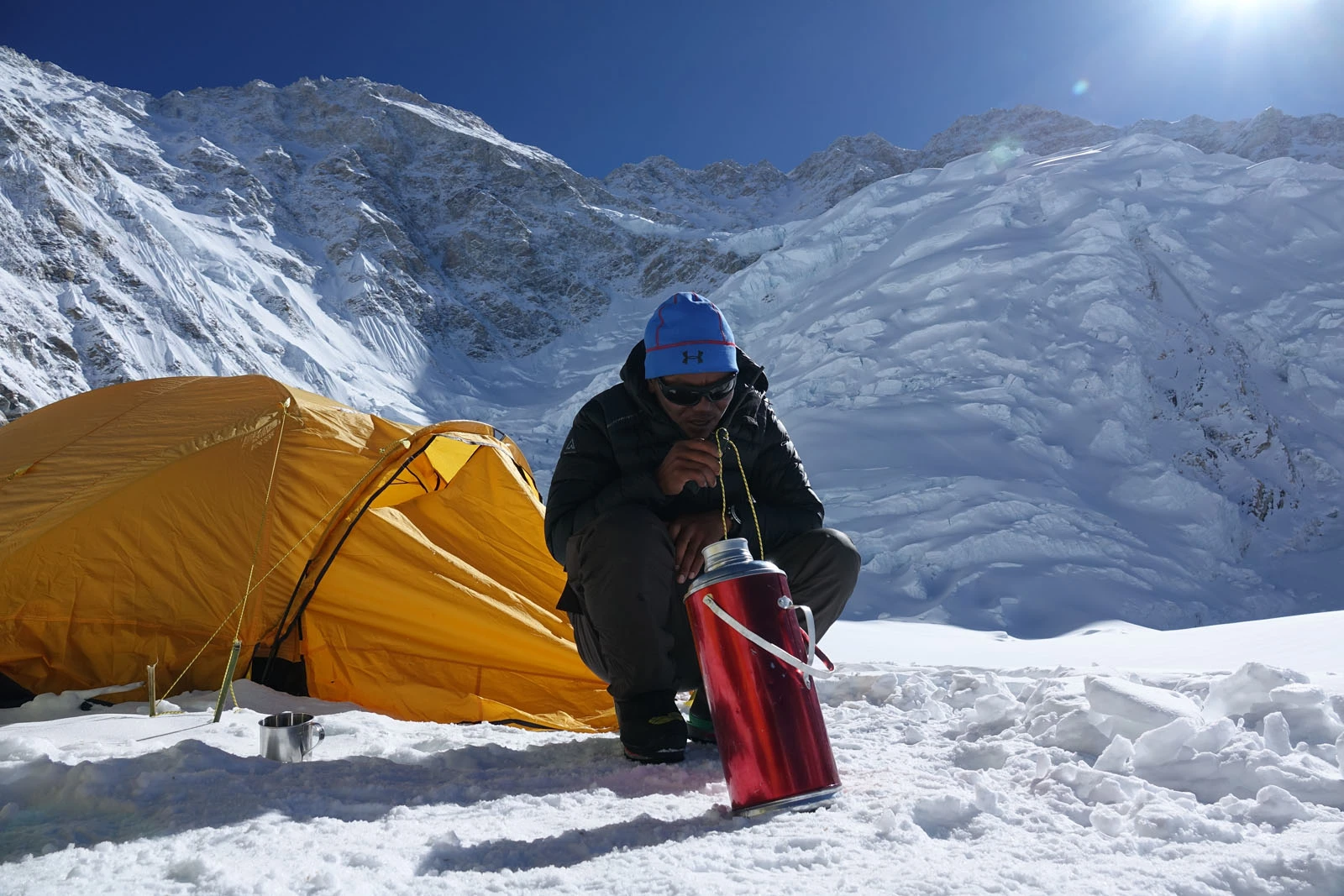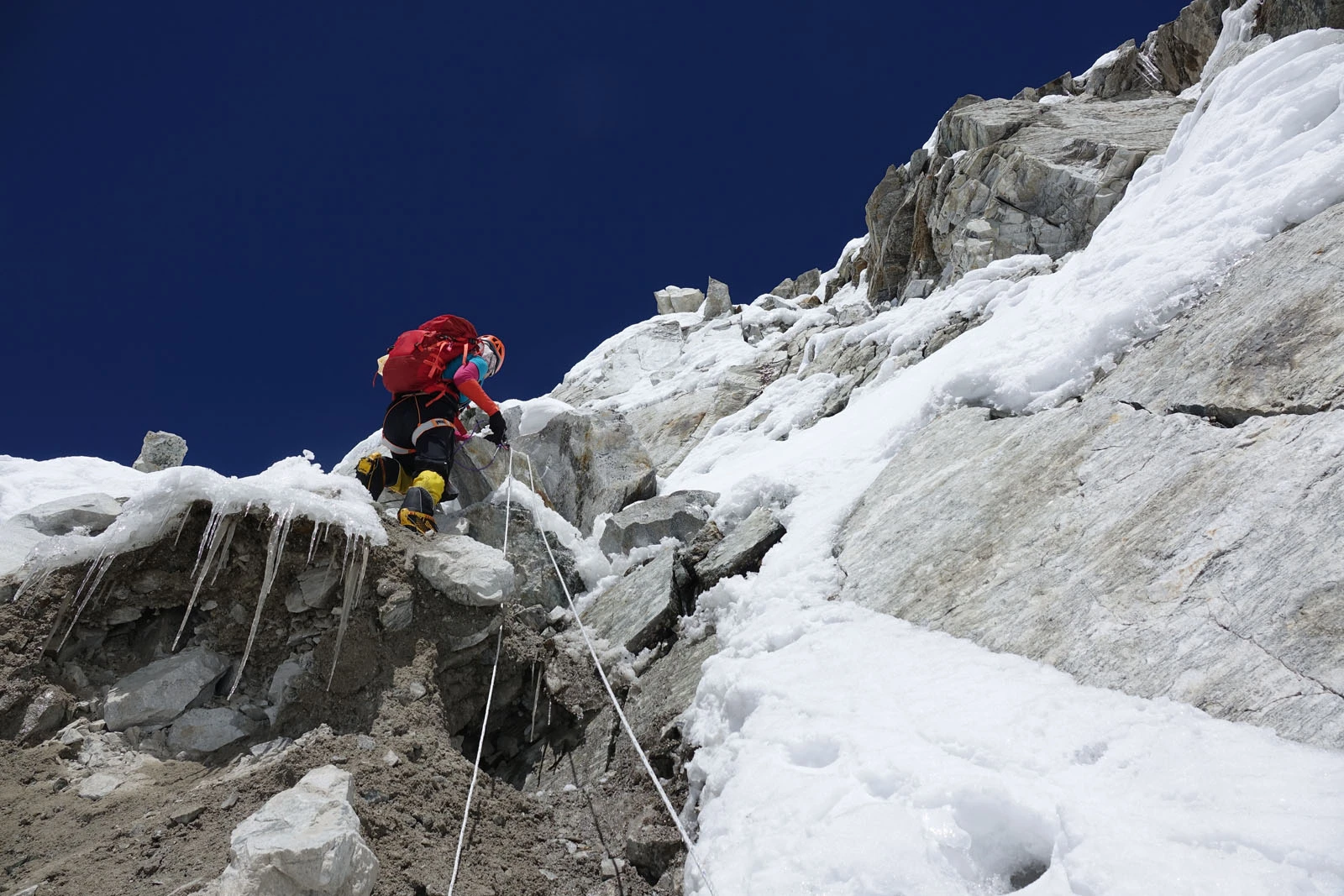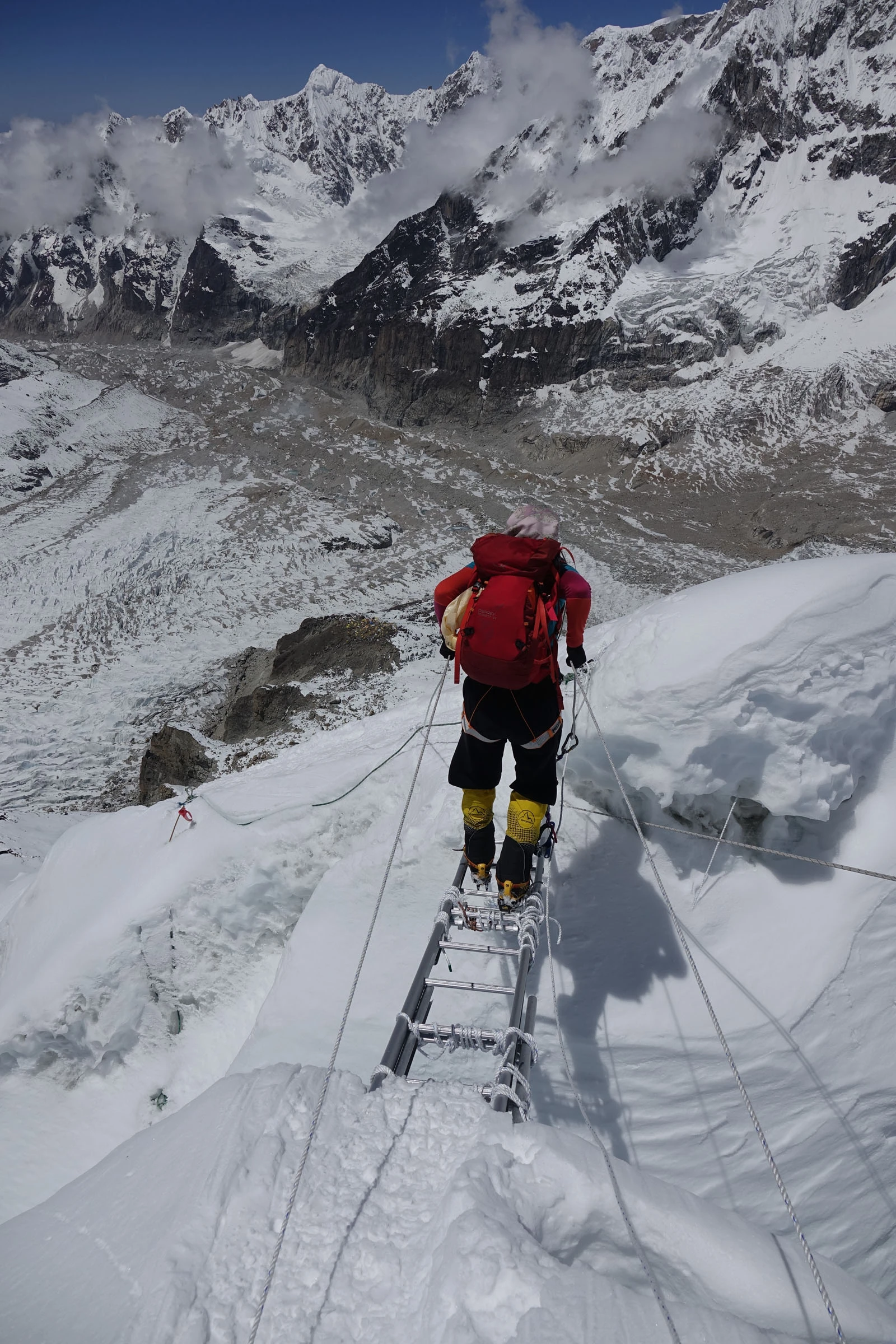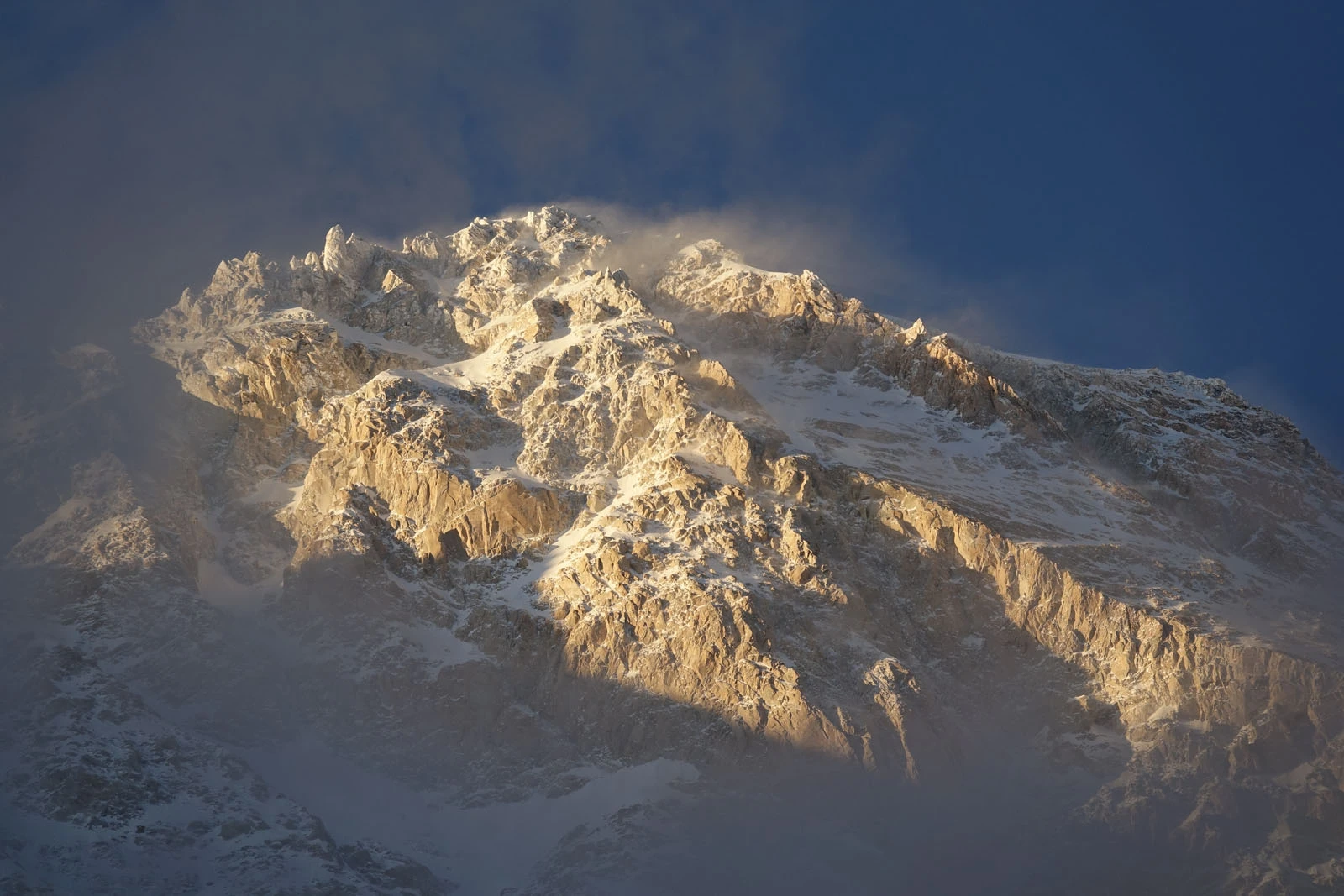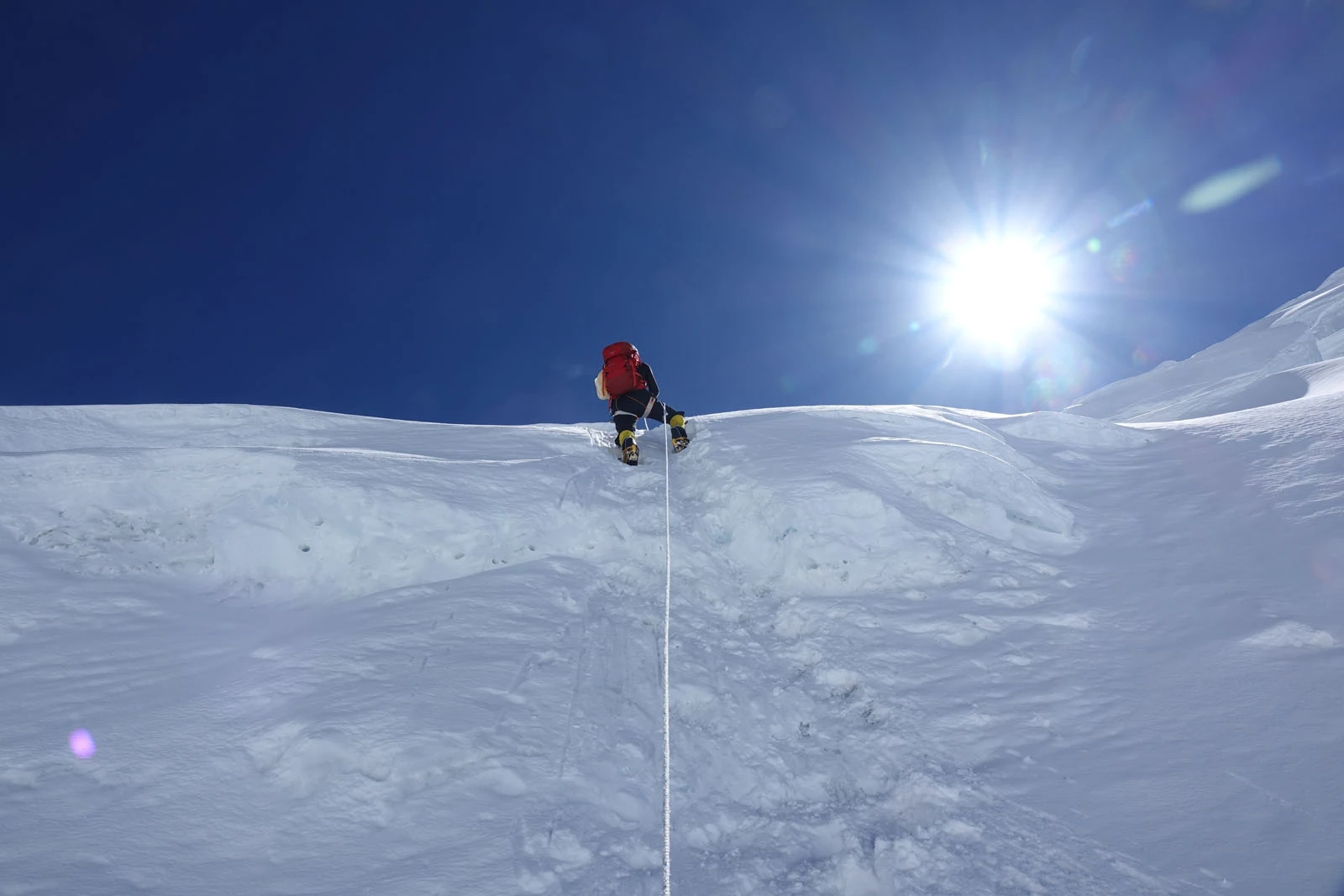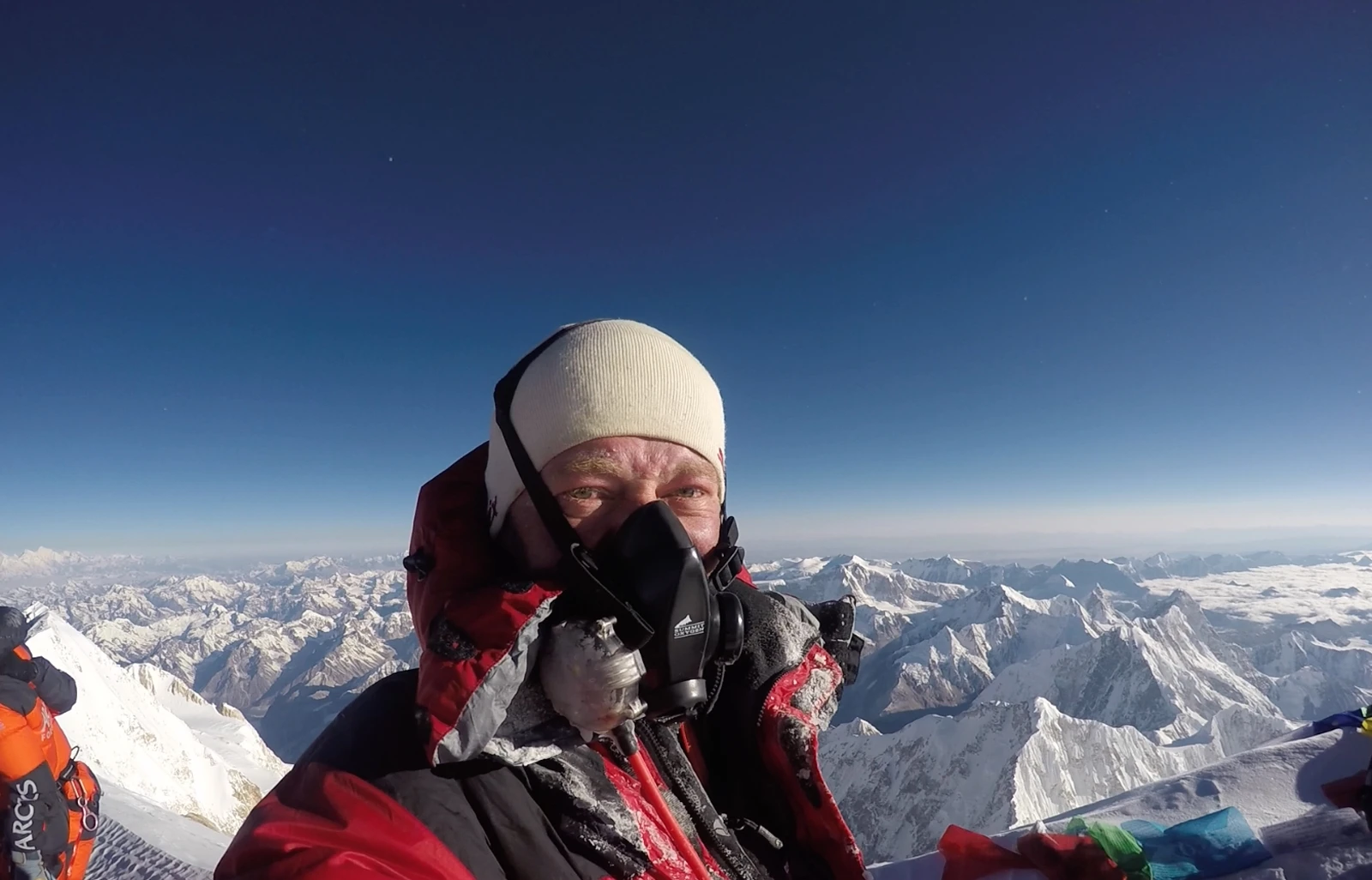
Perhaps this account of memories and experiences from the third-highest peak in the world will be somewhat different from the previous two. It will not be full of the problems I faced at great altitude in bad weather, cold, hunger and loneliness… The events on the last eight-thousander that opened its doors to me were very similar to those on the previous two, so a story only about the ascent and descent would be boring.
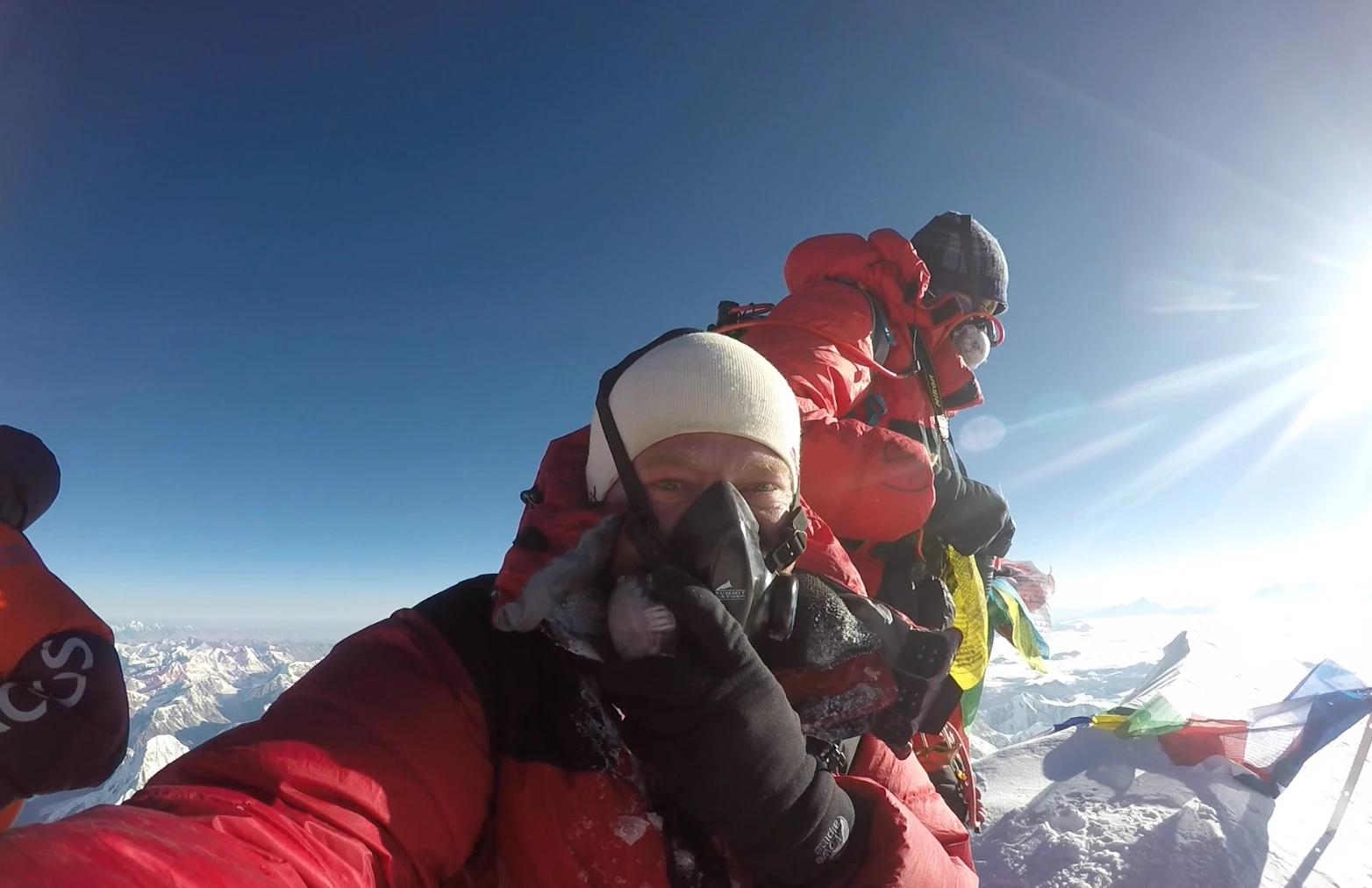
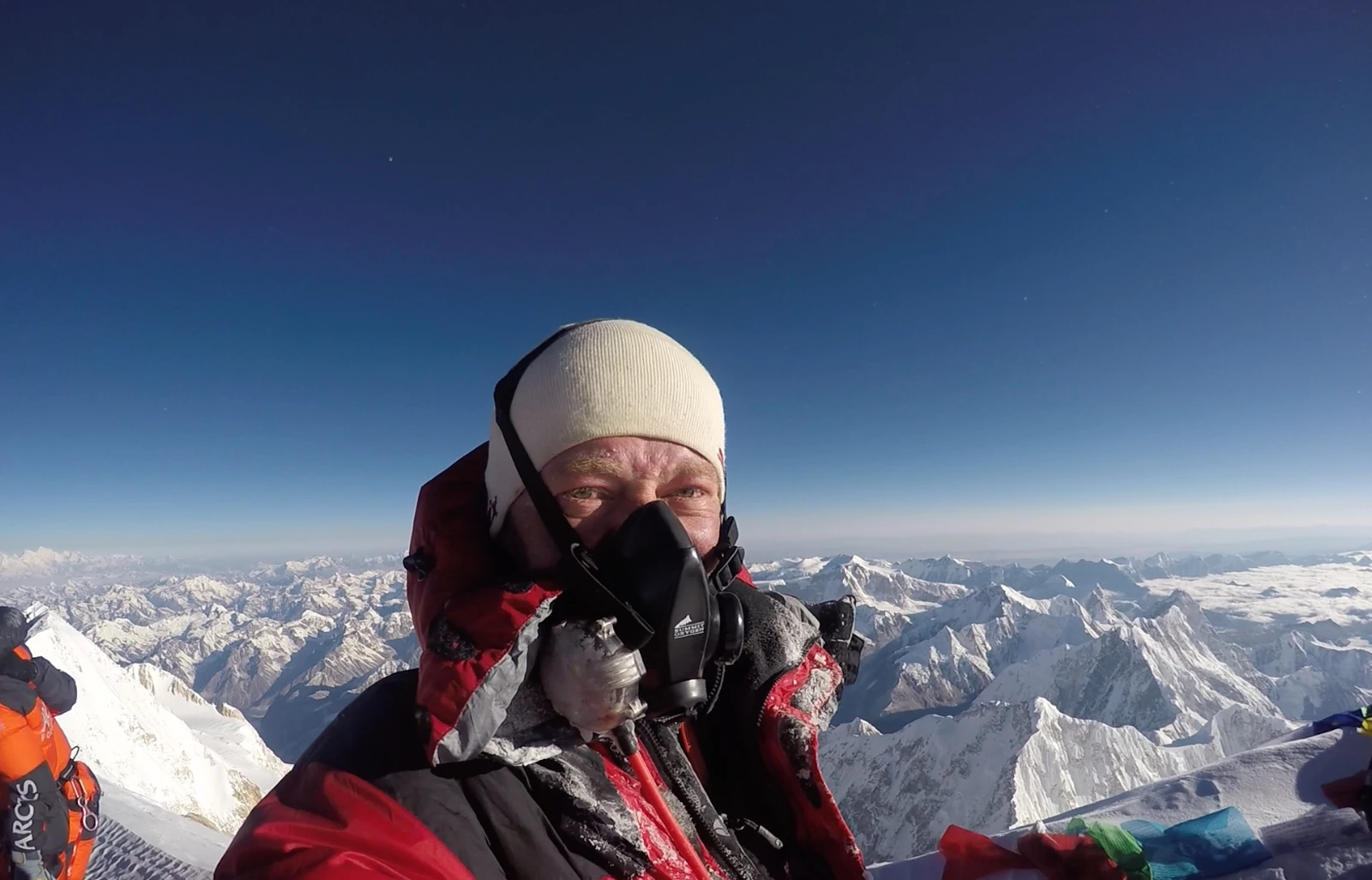
By an unexpected coincidence I found myself on Kanchenjunga in a predominantly female team that was, overall, very successful. I had the honour of reaching the summit together with the first Mexican, Japanese, Czech and Swiss women to stand on this mountain. They were professional or semi-professional female mountaineers to whom I can attribute superb physical and mental preparedness, experience and fairness toward their climbing partners. The women mentioned have no children or families, except for one, who had two primary-school children waiting for her at home. This was her first attempt on the mountain, and as I write this she is already heading for K2, which has defeated her twice before. As I listened to her life story of professional and sporting success, my deeply rooted archaic views made me label her, privately, as abnormal, almost crazy, because she had virtually left her children at home in the care of her husband and sister while she herself constantly travels around the world and climbs Himalayan summits (she was also the first woman from her country to climb Everest from the north side). As I stared for long hours at the roof of the tent, trembling in the merciless wind, I realised that I myself have a similarly poor relationship with my family and, worst of all, until then I had believed that a man and father was more entitled to such actions than a woman or mother.
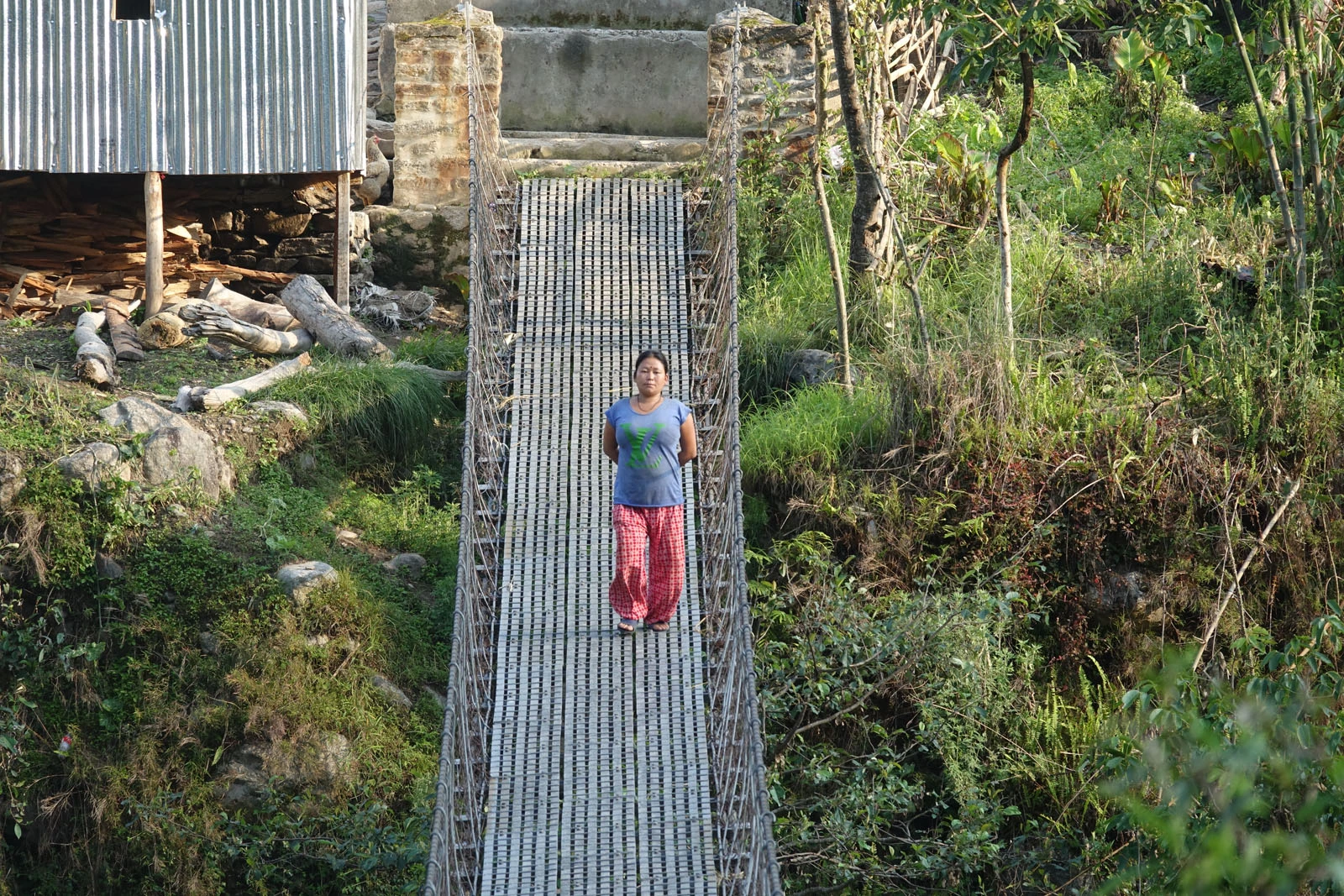
The trek through the rainforests of eastern Nepal, when all we could do was hope that the rain would stop, was an unparalleled misty and wet experience. As I removed leeches with cigarette butts and wrapped myself in a damp sleeping bag, homesickness slowly began to gnaw at me. The feeling I knew so well creeps in treacherously, like evening with its loneliness, and dangerously erodes hope of reaching the expedition's goal. In moments of helplessness I selfishly turn first to my wife, who always knows how to deal with a problem. Warm words that could reach me in the rainforest beneath the mountain only via satellite warmed my lonely soul like hot tea and restored hope of success. It had never occurred to me that she, at home, might need similar words too. She is not cold, of course, she is not wet, she has a roof over her head and a refrigerator full of food, but there is nothing worse than loneliness and missing someone far away. So who has it harder, me or her? On an expedition I look after only myself and my survival; she also looks after the children and, hardest of all, makes sure the children do not worry. Would I myself be capable of putting myself in her shoes? The more I search for an answer, the more convinced I am that I would not. Could I restrain my jealousy while watching footage of her in the company of handsome fellow mountaineers from the other side of the world? Probably even less so.
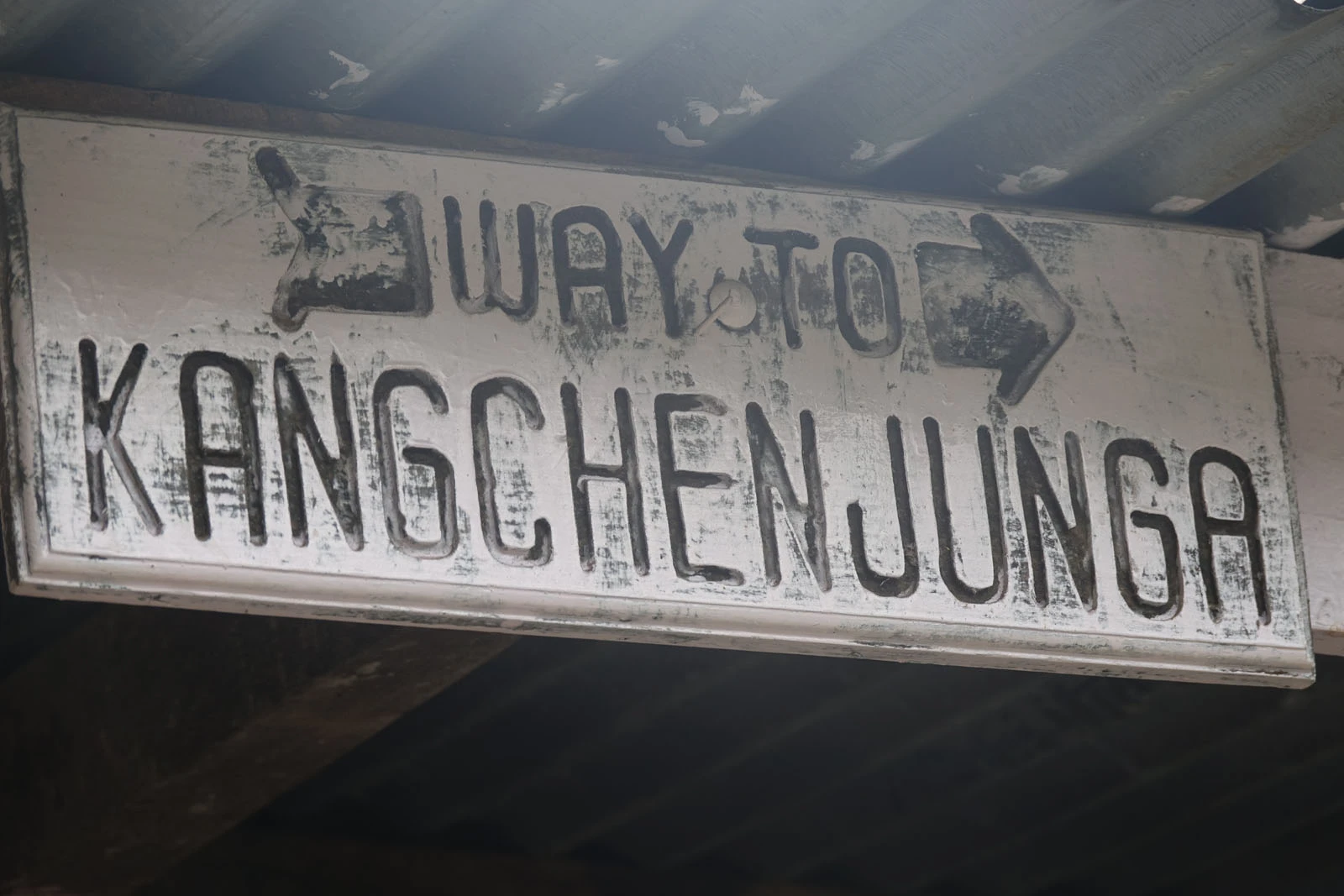
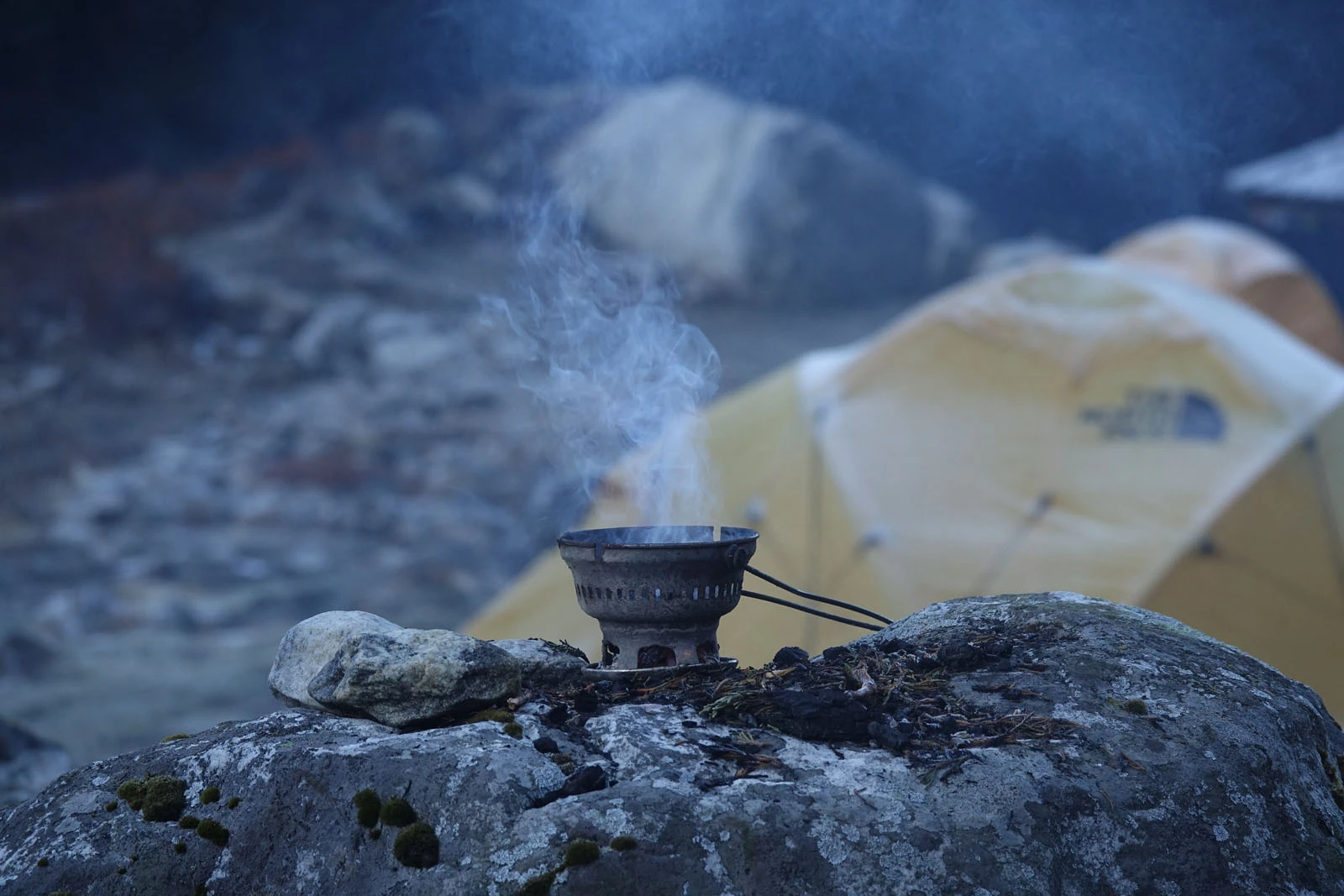
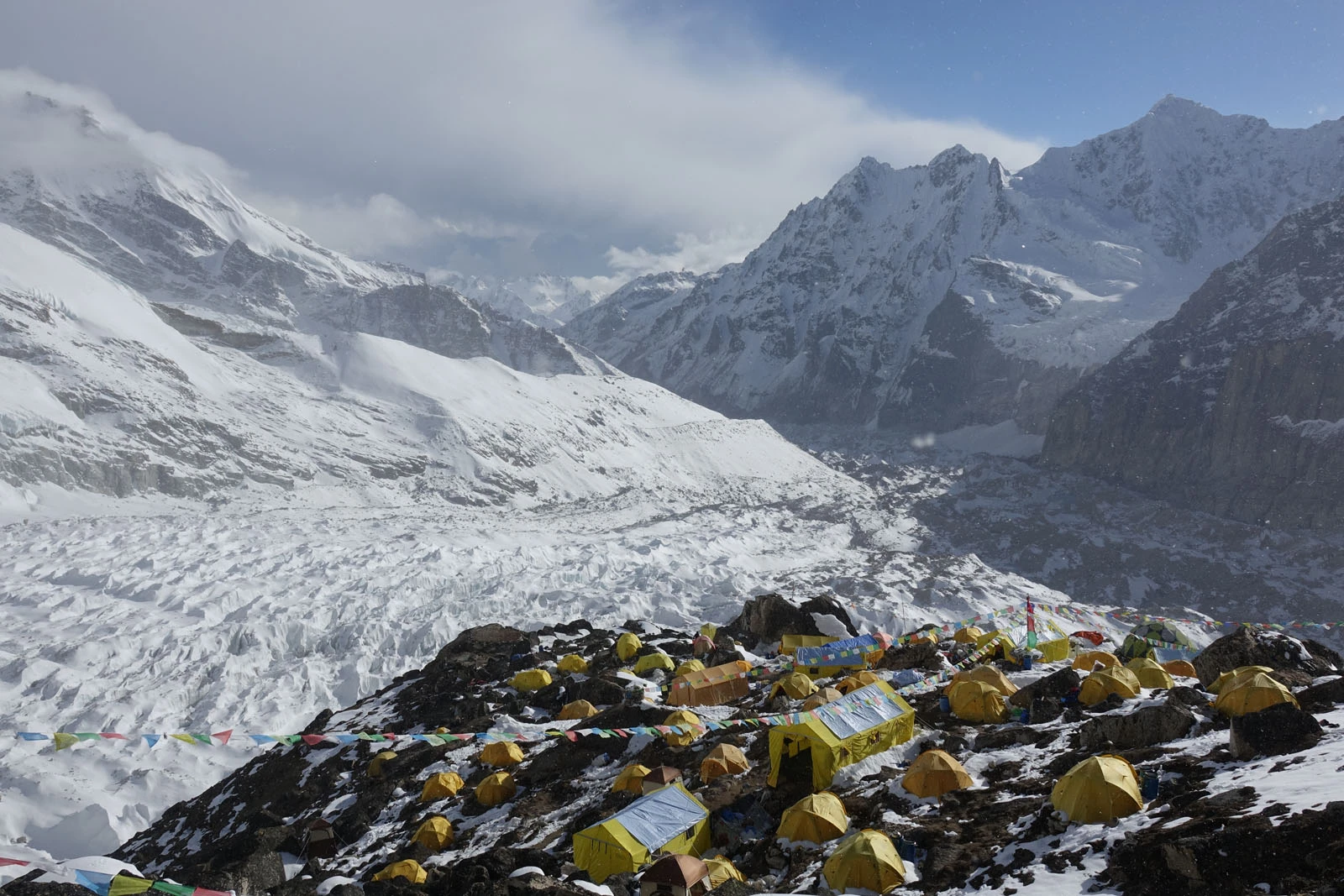
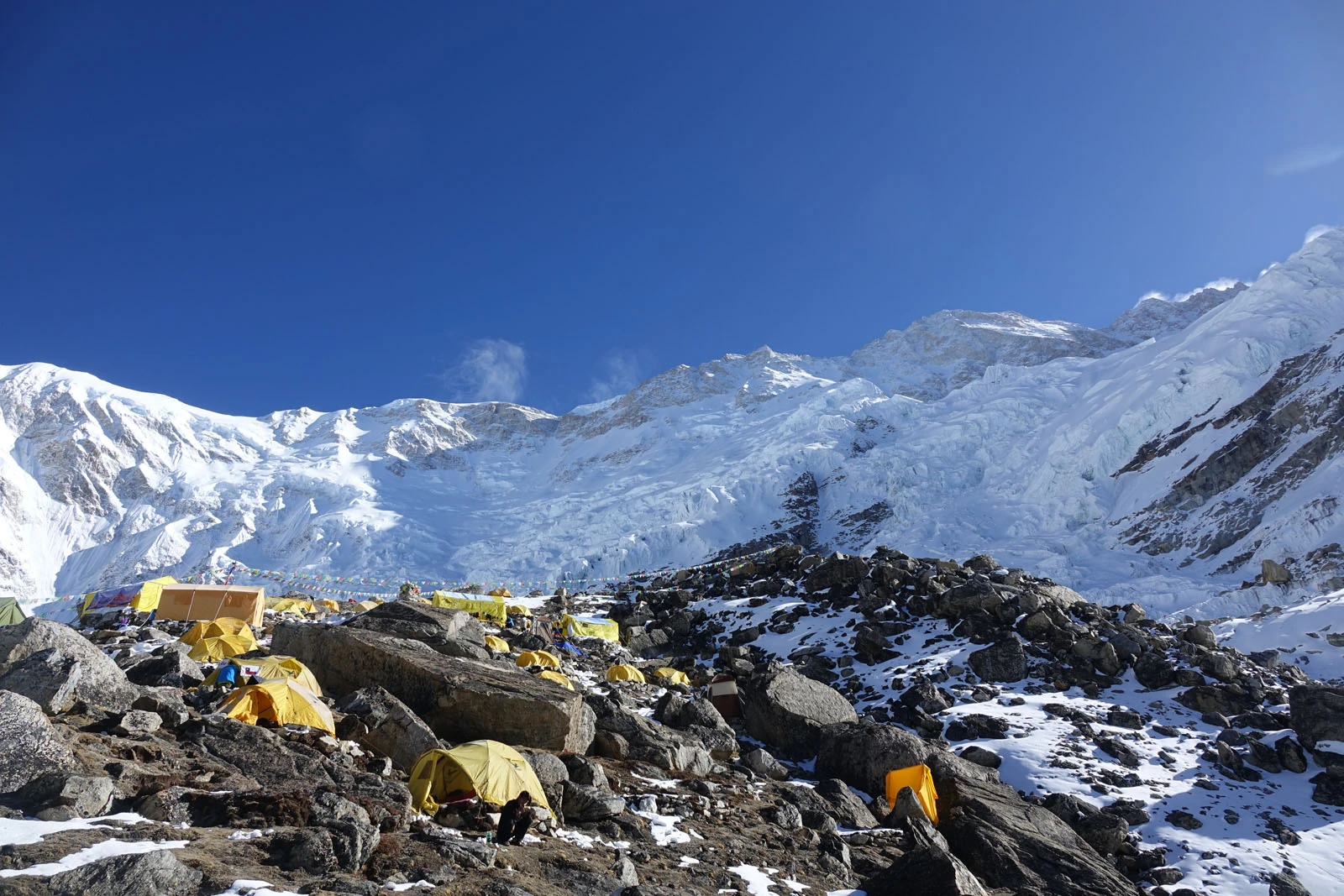
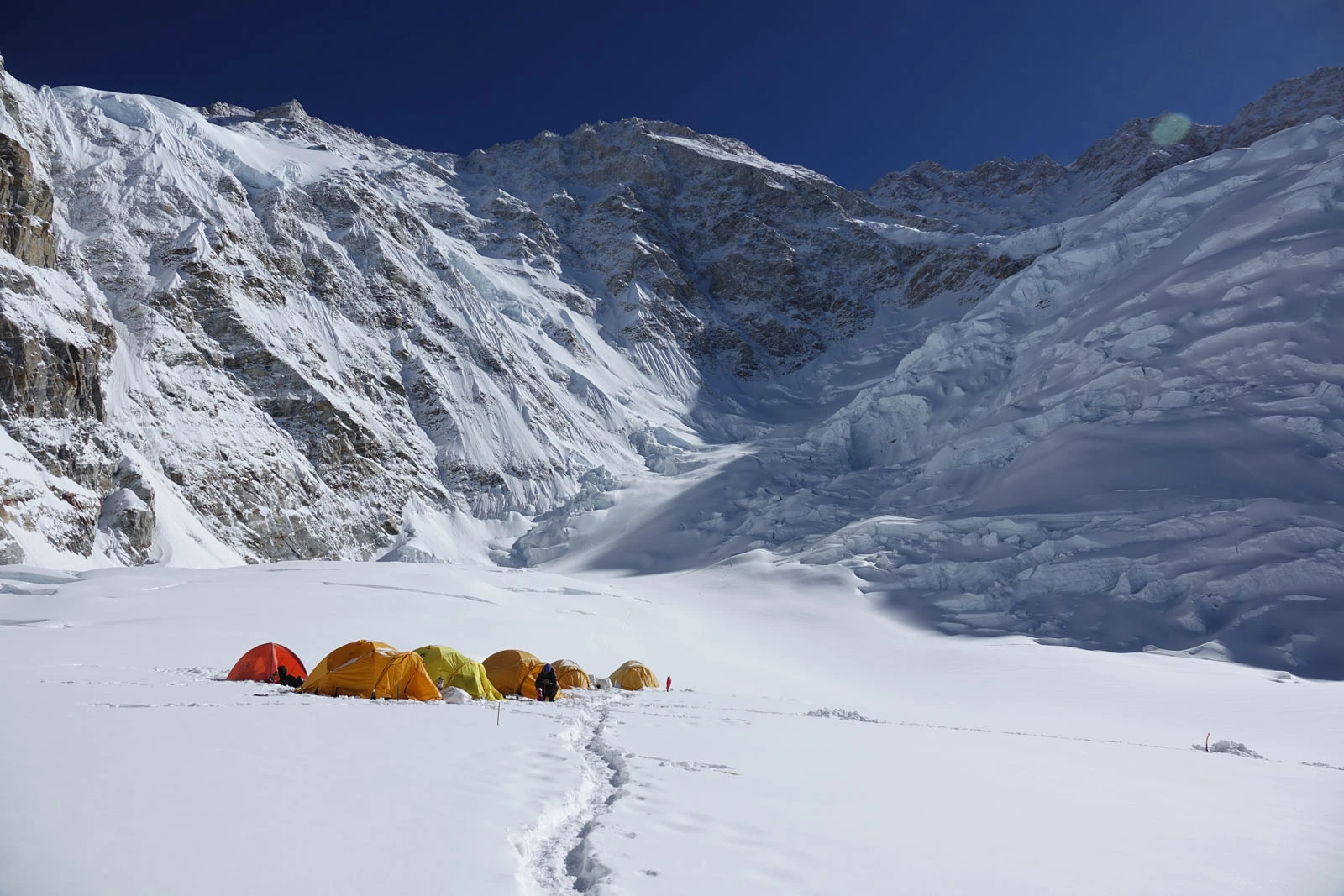
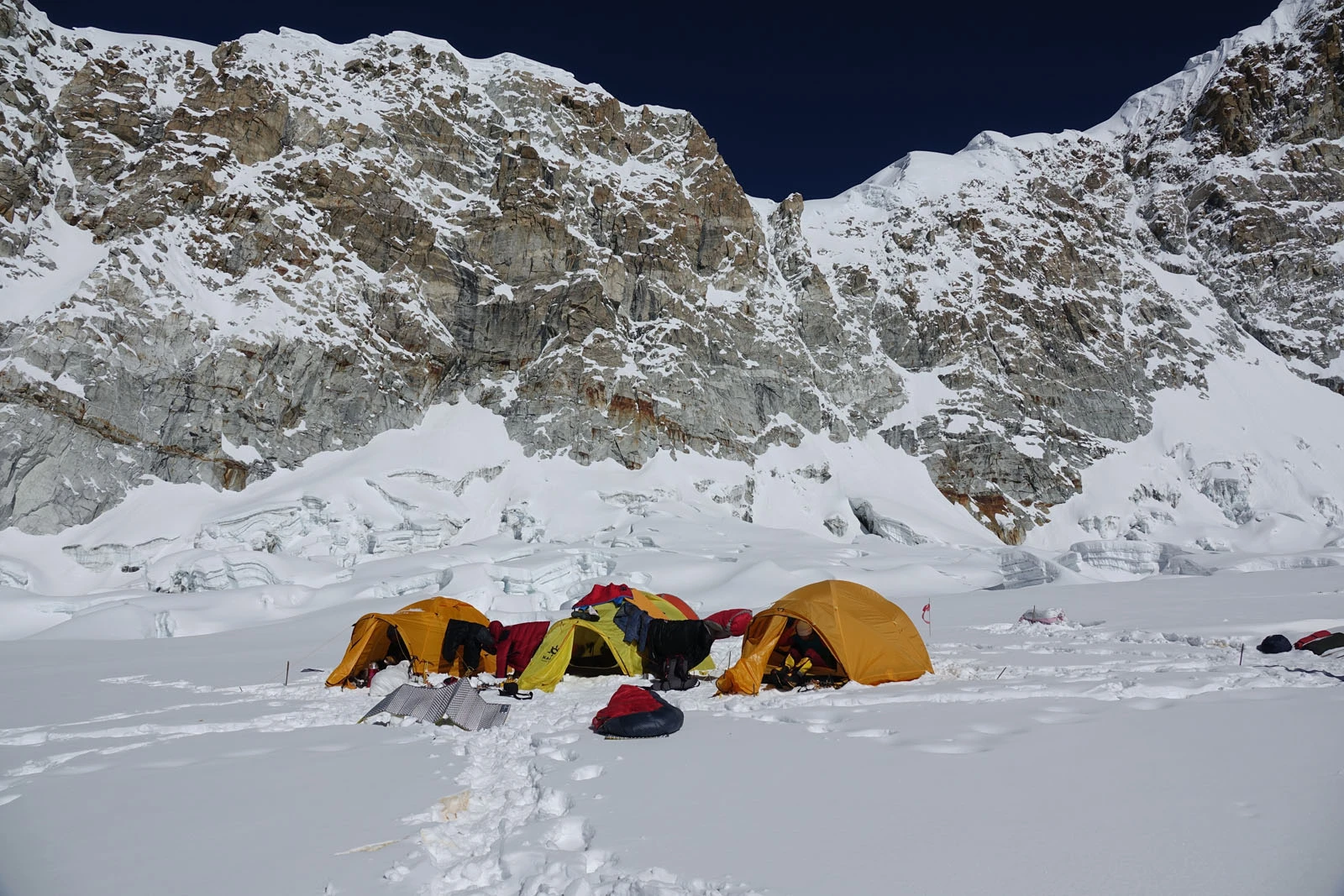
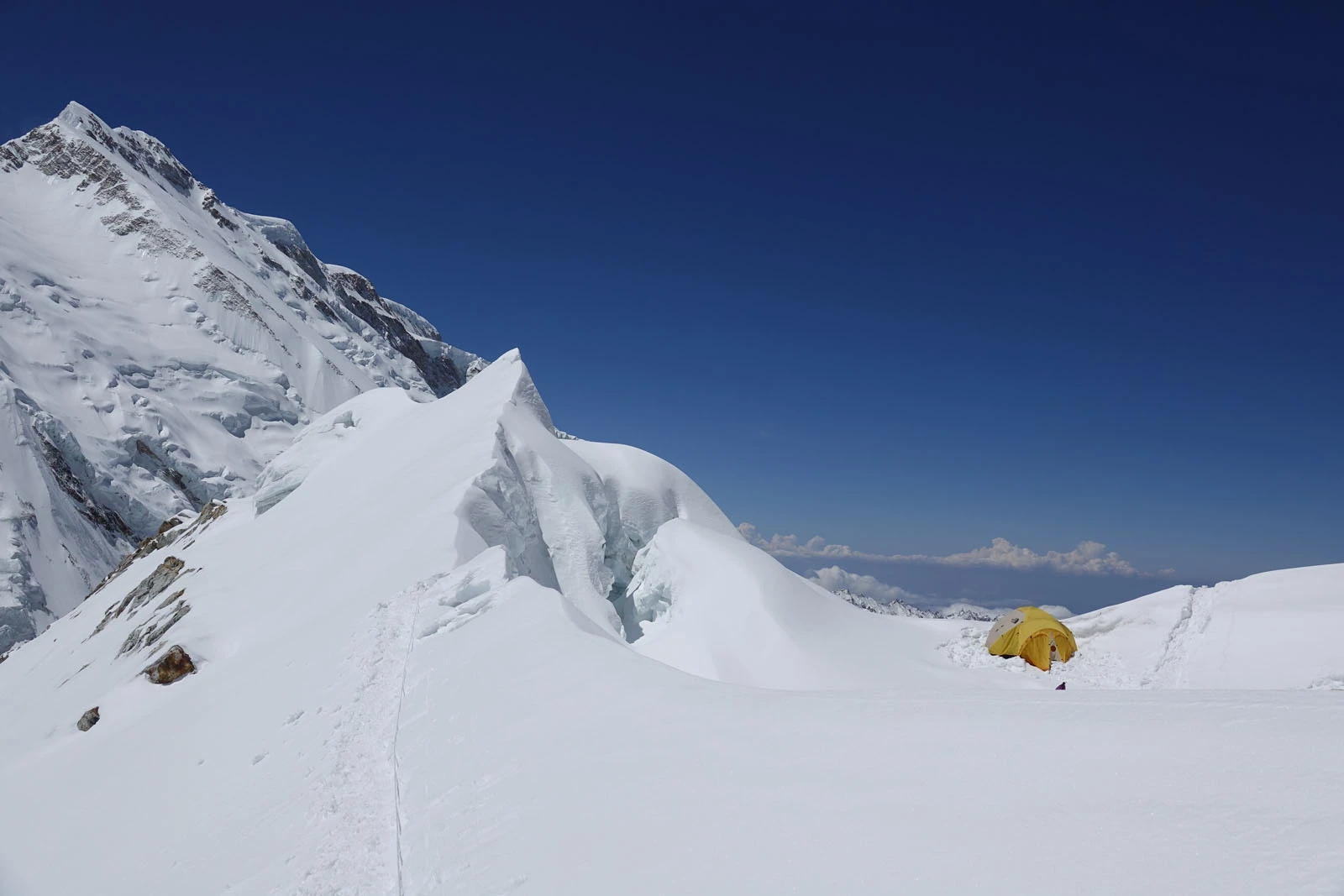
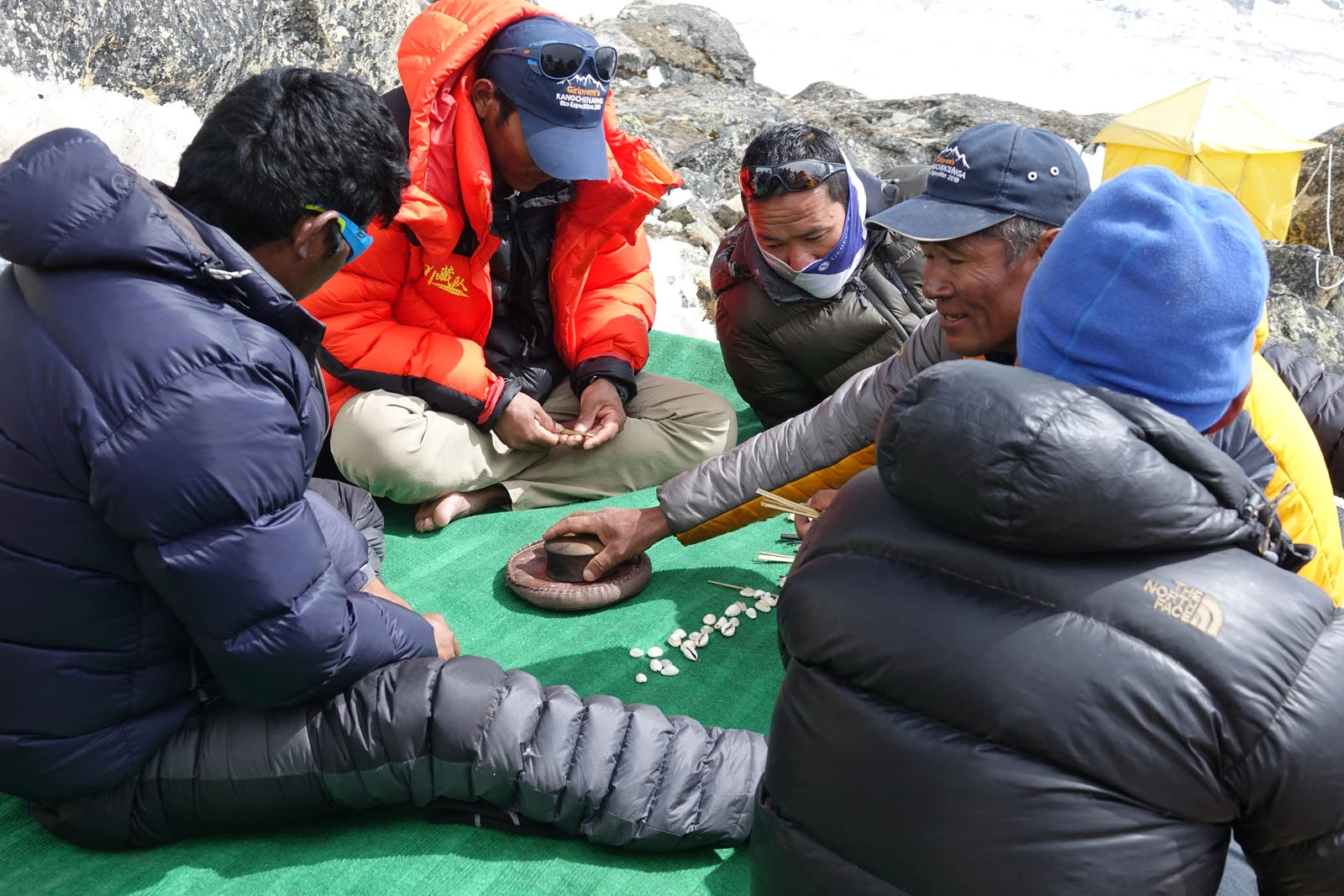
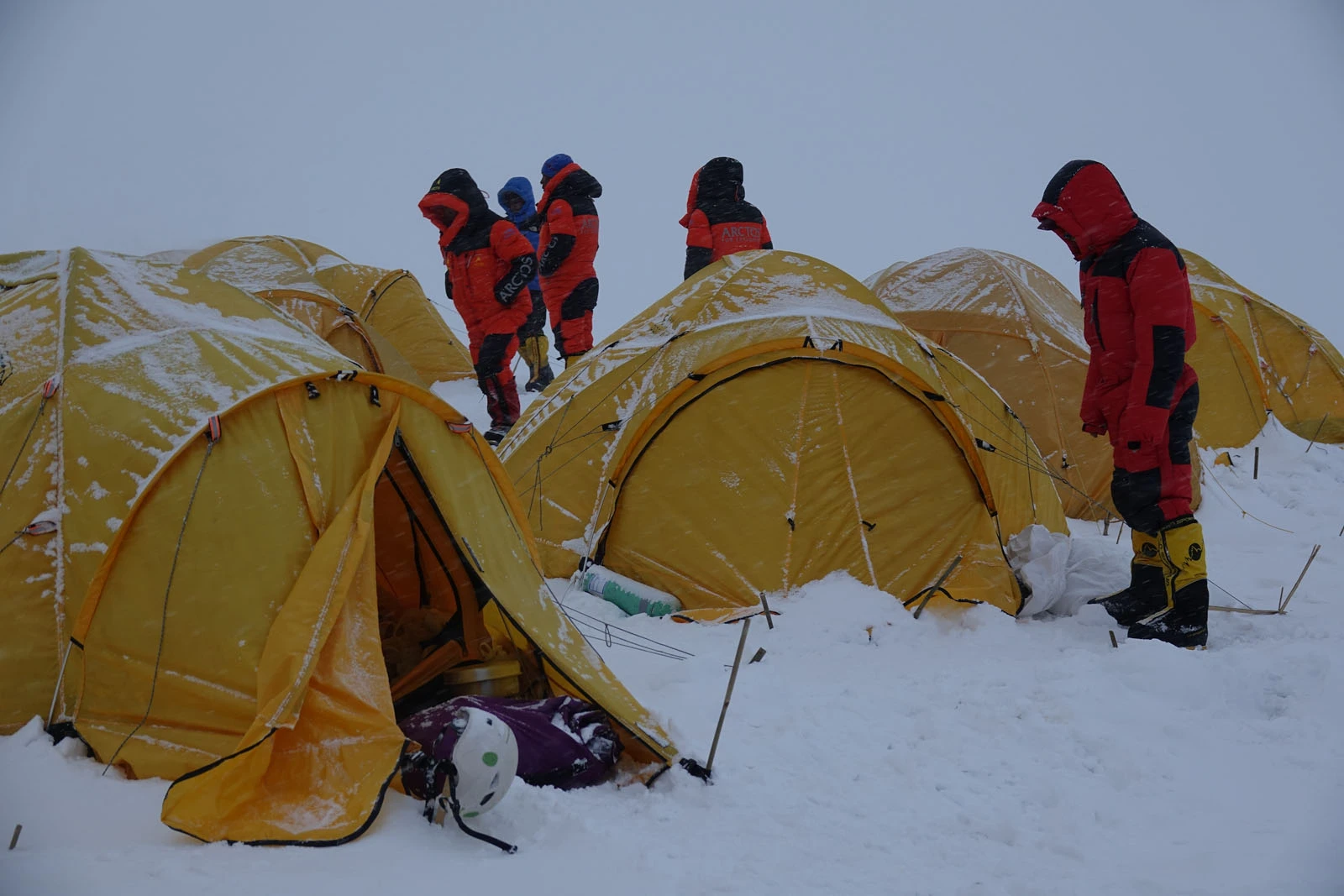
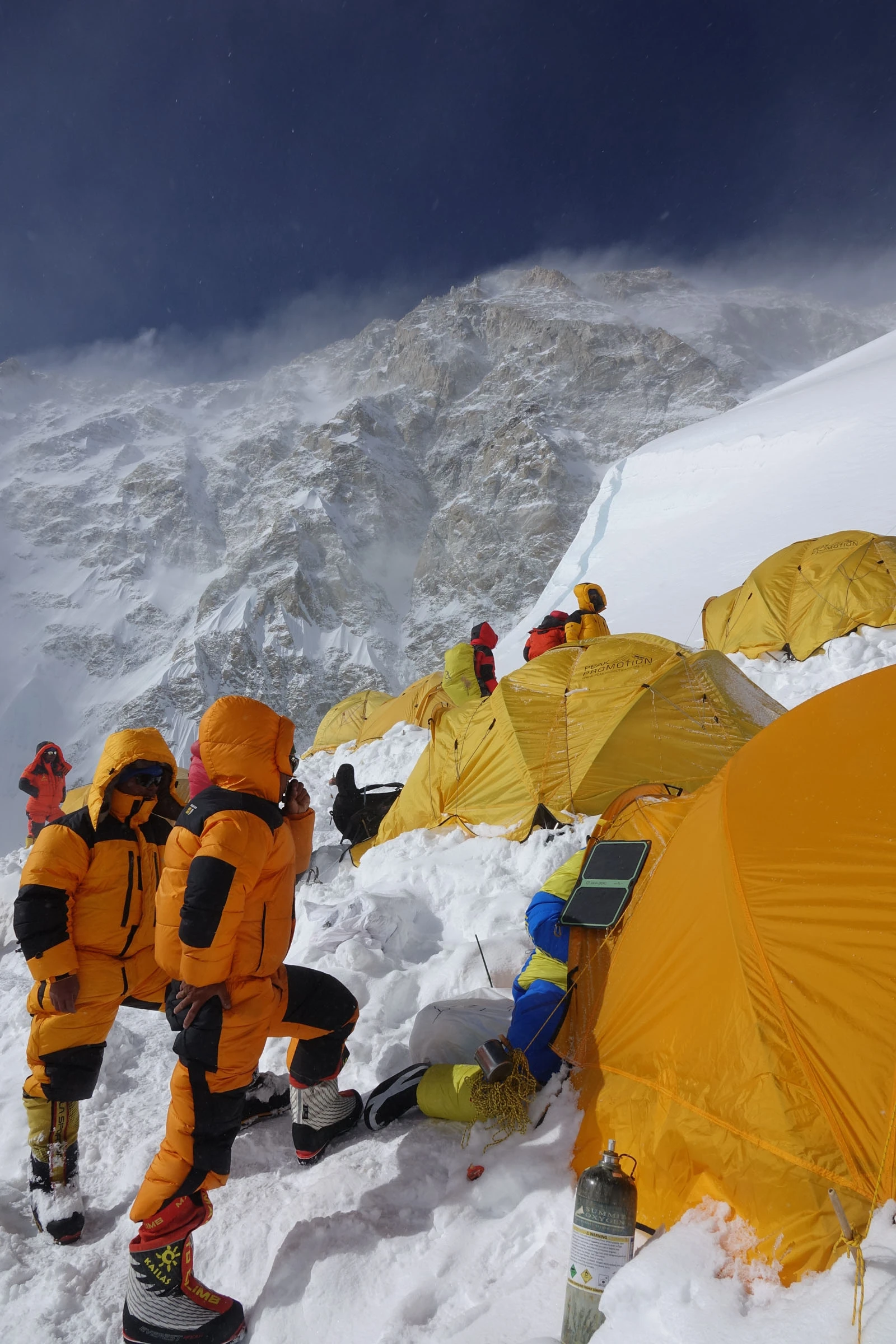
Kanchenjunga base camp is at 5,500 metres above sea level and is therefore the highest base camp in the world. This isolated island of yellow tents, surrounded by magnificent mountains such as Jannu and Yalung Kang, this time accommodated about twenty personal tents, a separate shower and toilets, and two kitchens. The Seven Summits team, which I joined this time, consisted of seven members and the same number of Sherpas. The boss, Dawa, the youngest person to have climbed all fourteen eight-thousanders without supplemental oxygen and who is still a ‘subject’ of high-altitude illness research, joined us somewhat later, when things became serious. At base camp there were also members of the first national Indian expedition to Kanchenjunga, convinced that the mountain was sacred and that women did not belong at base camp. Interesting arguments between the team leaders went so far that they even proposed revoking our group's permits. In the end, even the gods had to send them a message and, as befits gods, it was clear and cruel. Two Indians died below the summit; altitude sickness clouded their minds and oxygen arrived too late. Quite a few others suffered serious frostbite and irreversible consequences. They were merciful to our team and allowed every one of us to reach the summit, including me, perhaps because I realised that courage and selflessness really are feminine and that there is only one woman worth loving, the one who constantly wonders how I am doing and who will always be waiting for me at the airport regardless of success and my selfish behaviour. She has qualities I do not possess and, unfortunately, do not even try to acquire. She is always with me even though she does not follow me through deep snow; she always feels and understands my suffering even though her fingers are not freezing. She makes sure the indispensable Garmin shows the right route, follows it constantly, knows where I am—in fog, twilight, night and bad weather—waits for my messages of despair and answers them thoughtfully, without trembling signs of fear. She knows how to forecast the weather and warns of violent winds that can so quickly turn a warm breath into icy death. She treats illnesses that cannot be contracted anywhere else, saves me from pulmonary and cerebral oedema without a clinical examination, without instruments, from afar, through modest text messages. While egoism drives me higher and farther, she looks after our home and business. Our daughters are protected from worrying and sad news from the mountain; they hear only the beautiful, sunny news, while she keeps the rest to herself and swallows it even though it is bitter, painful and burning. She puts up with impatient acquaintances who want to know how we are doing far away, satisfying their curiosity with considered answers that promise nothing and reveal only what is necessary so that luck can selflessly remain where it belongs—above all, with me. She herself does not need it, because she knows what she is doing, because her head is always in the right place and she never lets emotions carry her away, not even fear and sadness, which come when the nights are cold and long and the days boring without the small, insignificant quarrels, without a five-minute coffee in the morning before work, without a tired ‘Hi’ at the end of the working day, without a warm hand in hers as the day falls asleep. She denies herself and our daughters comforts because expeditions are expensive, with no guarantee of return or success, because I myself do not know how to give things up, because we mountaineers are the most selfish people, because only the summit and success are always important, regardless of the consequences—health, financial, emotional… Because we live in a trance, because we dream that life is only a road to the summit, even if it ends there. Because we live only for ourselves and only occasionally for our family. Because we do not allow the warmth offered only by family, and above all by the woman who leads it—my wife—to enter our frozen hearts. A woman who gives courage its name, without whom my expeditions probably would not exist. A woman who performs the hardest job on this planet, one that has no salary, only gratitude. Therefore, once and for all, all my summits are hers, without doubt, without envy, without lies, without exaggeration.
At the link below you can also read an article about my exploits:
https://www.delo.si/novice/