


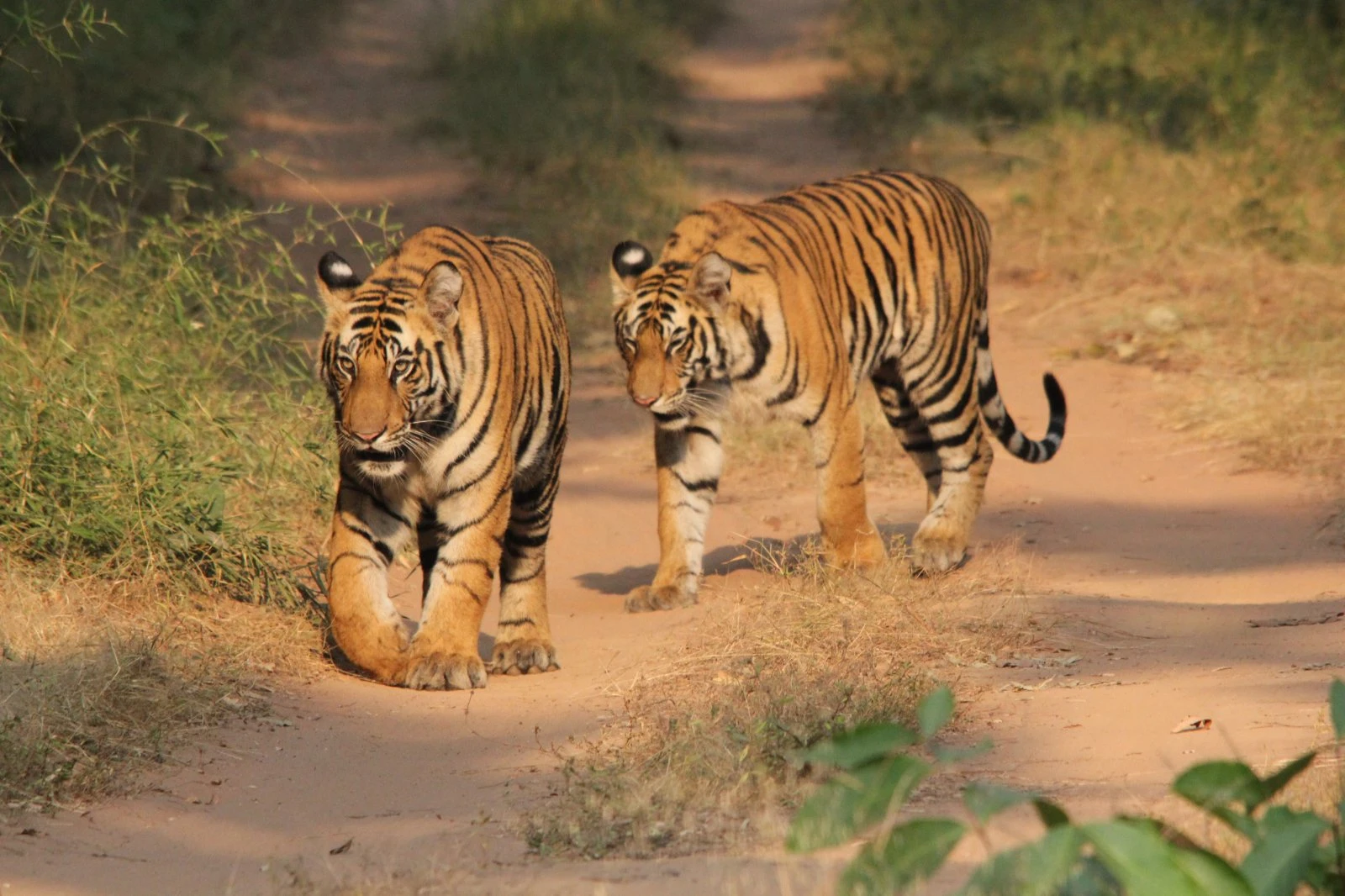
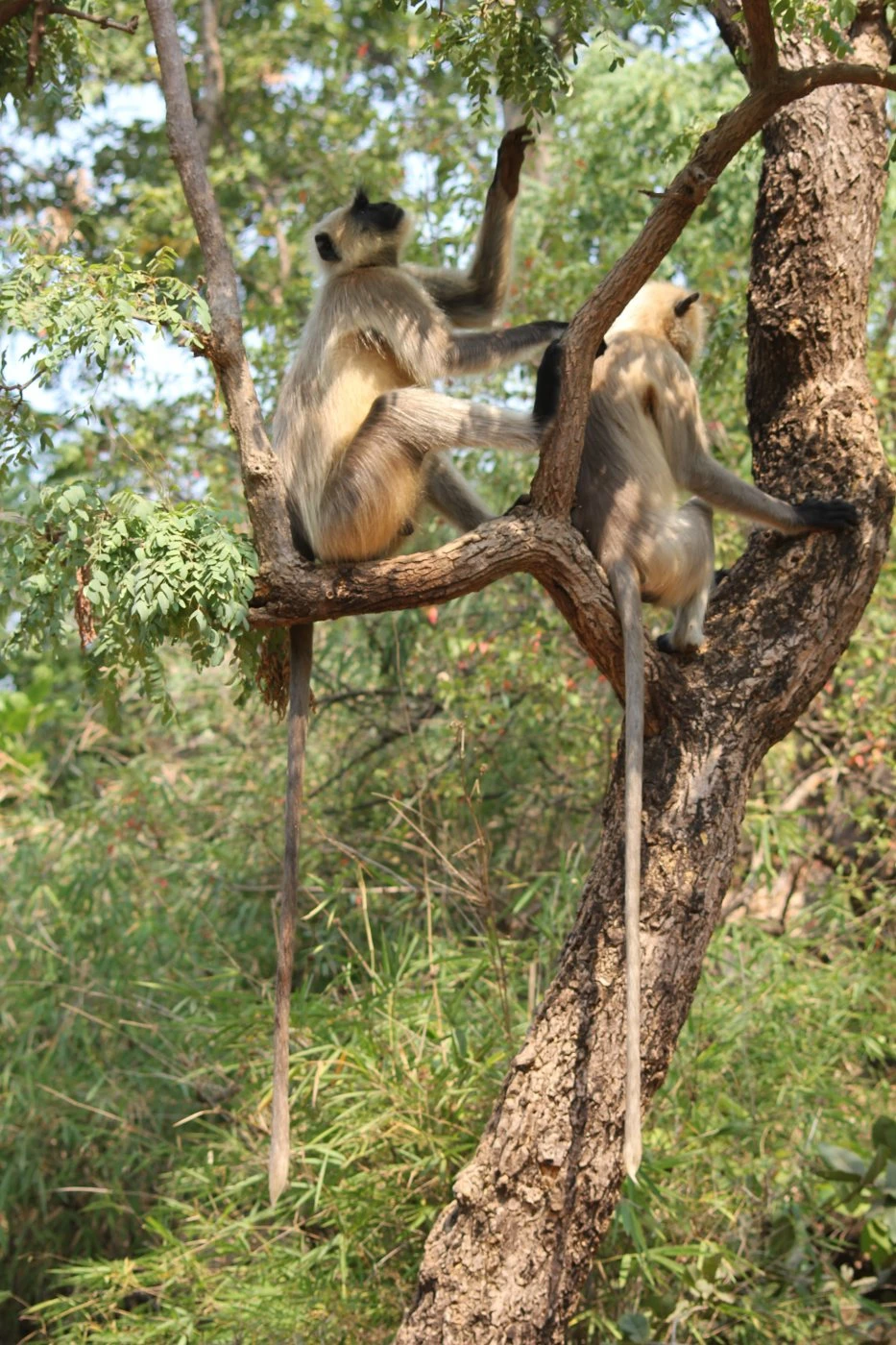
We travelled to faraway India for the first time, intending to see in its natural environment the last of the large mammals on our family list that, like some others, are threatened with extinction. Only three thousand of them live in this enormous country, which is unfortunately home to most of these magnificent big cats. Their freedom is restricted to national parks, where they are supposedly relatively safe. Outside them, survival is a privilege, which is almost understandable with well over a billion people with whom they share their habitat. It is probably relatively difficult to convince people who lack basic necessities even for their own survival that the survival of tigers is an important task which, because of the severe deprivation, should be placed almost ahead of their own struggle for survival.
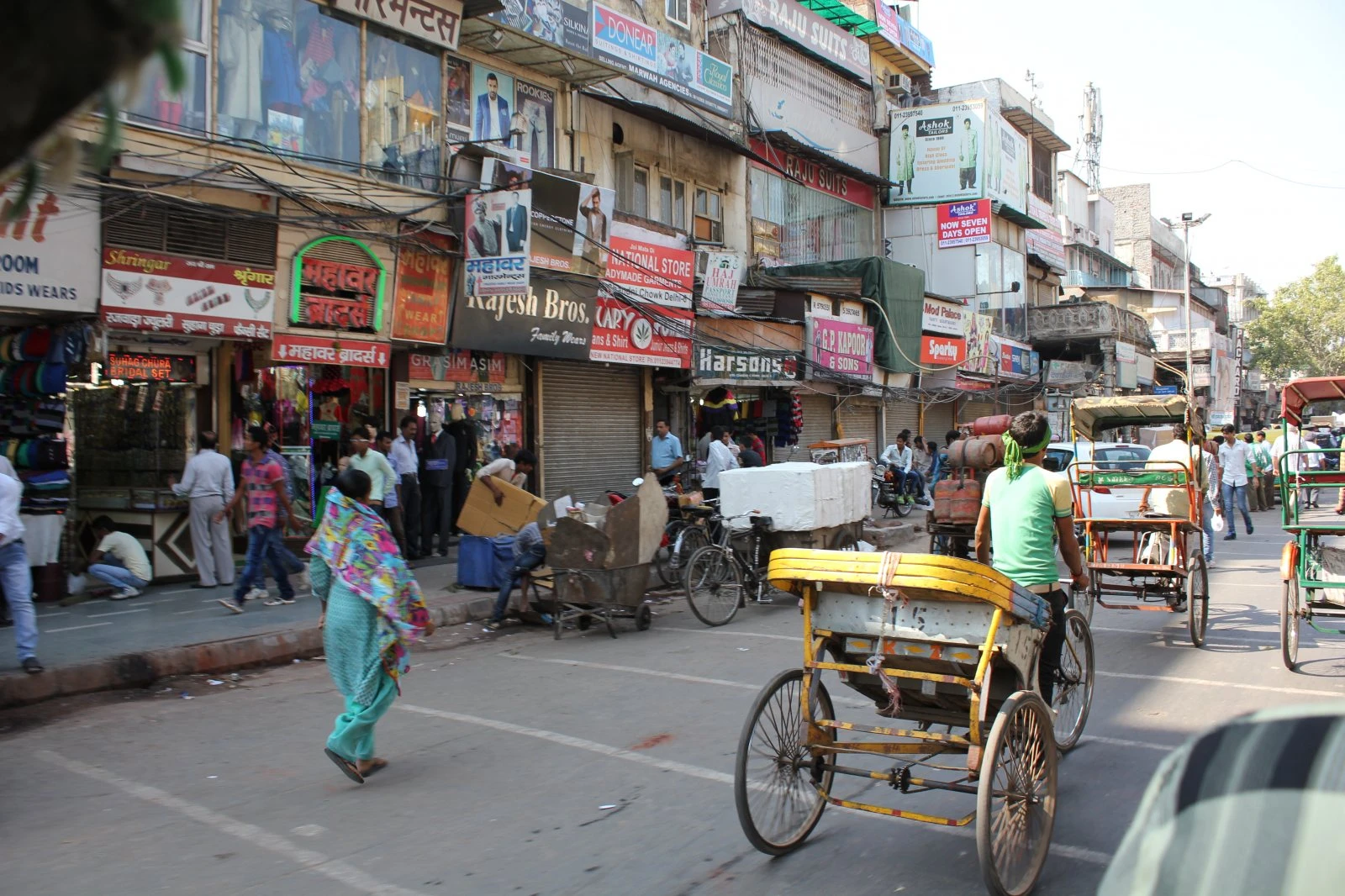
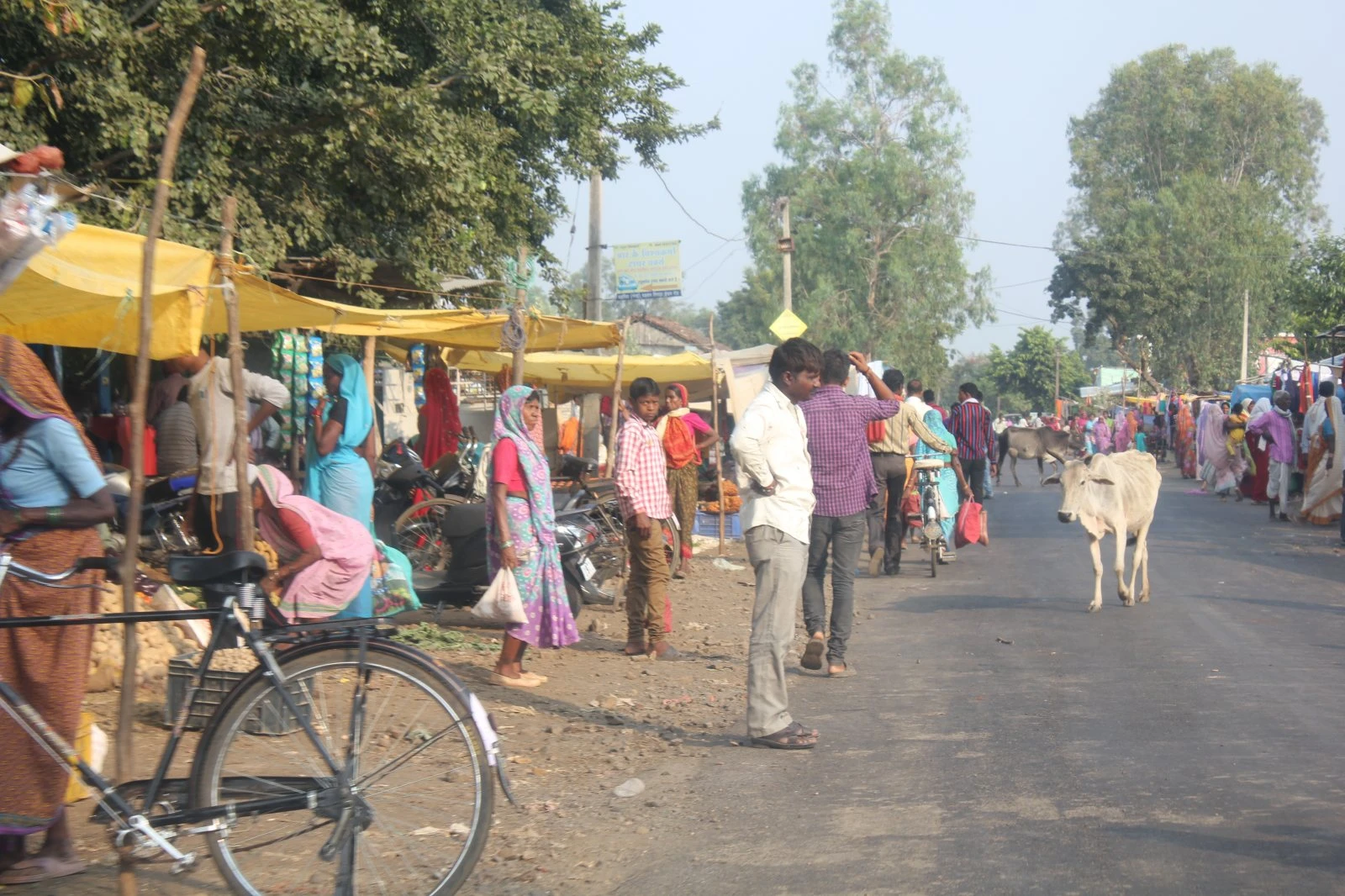
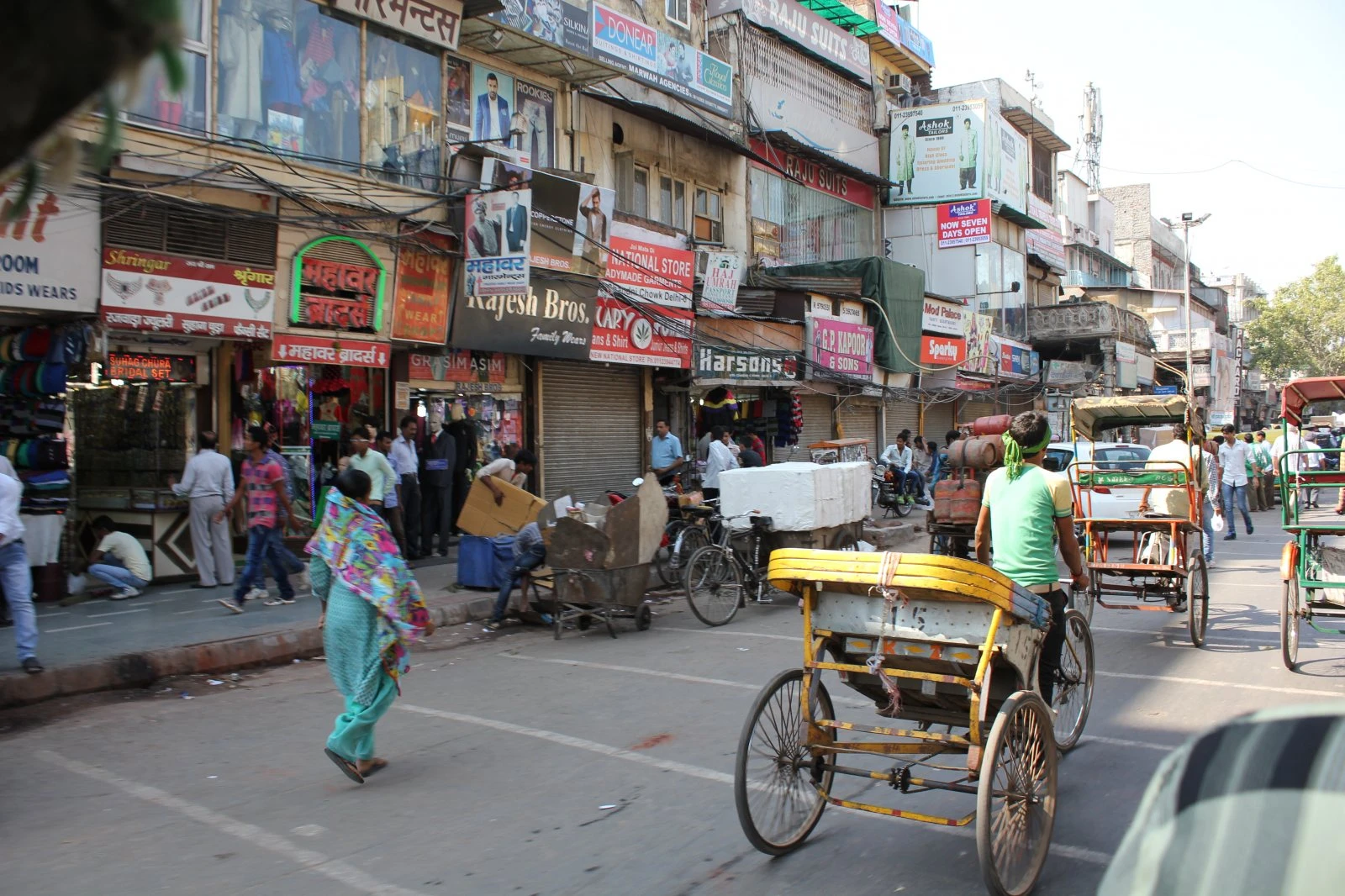
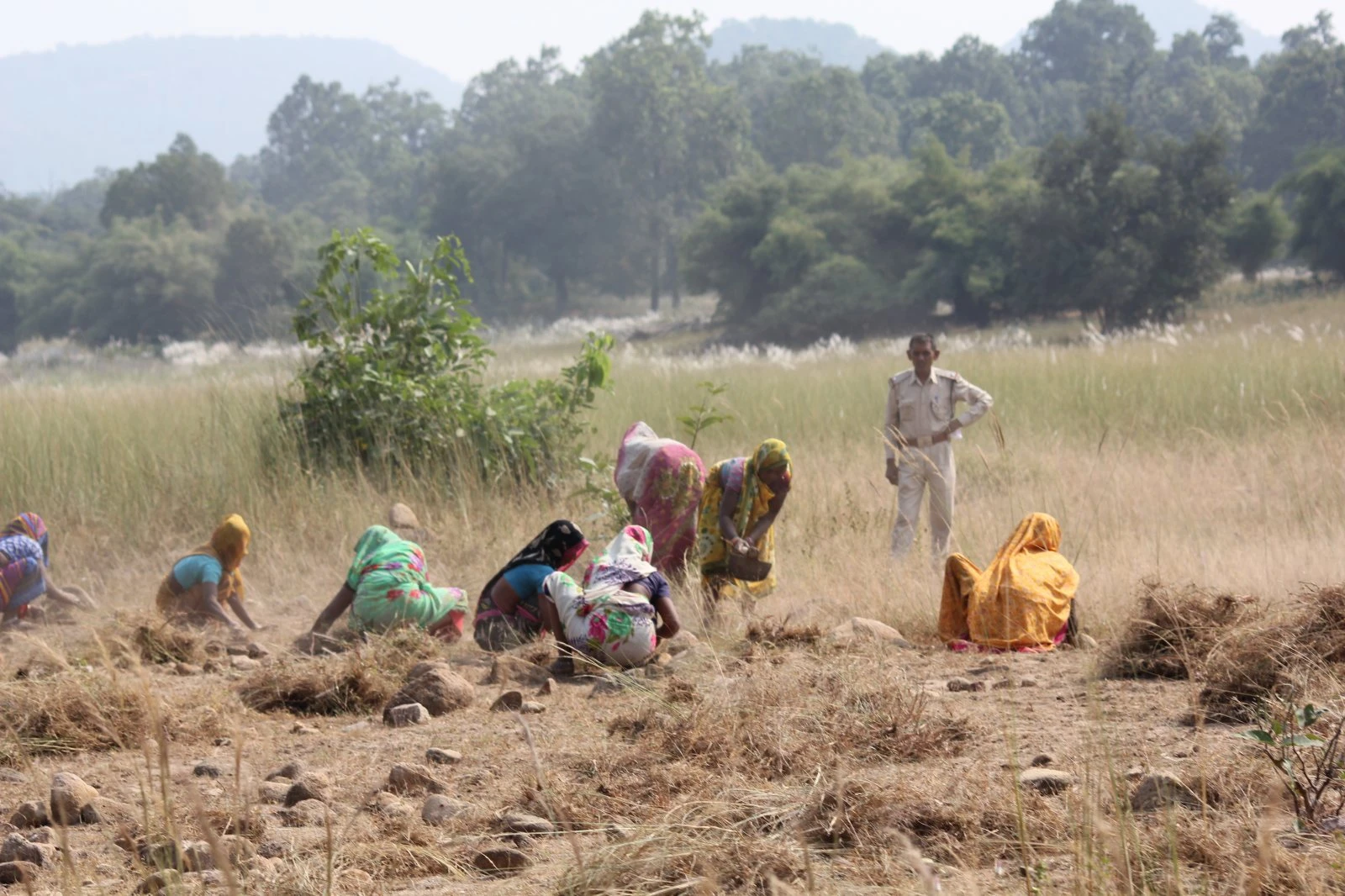
The culture shock associated with indescribable poverty strikes travellers upon their first contact with the country. Streets full of orphans, dirt, stray dogs, congestion on the roads, traffic jams of non-European proportions, traffic without rules, delays…And yet, people smile, accepting the harsh reality as a fact that there is no point in resisting.
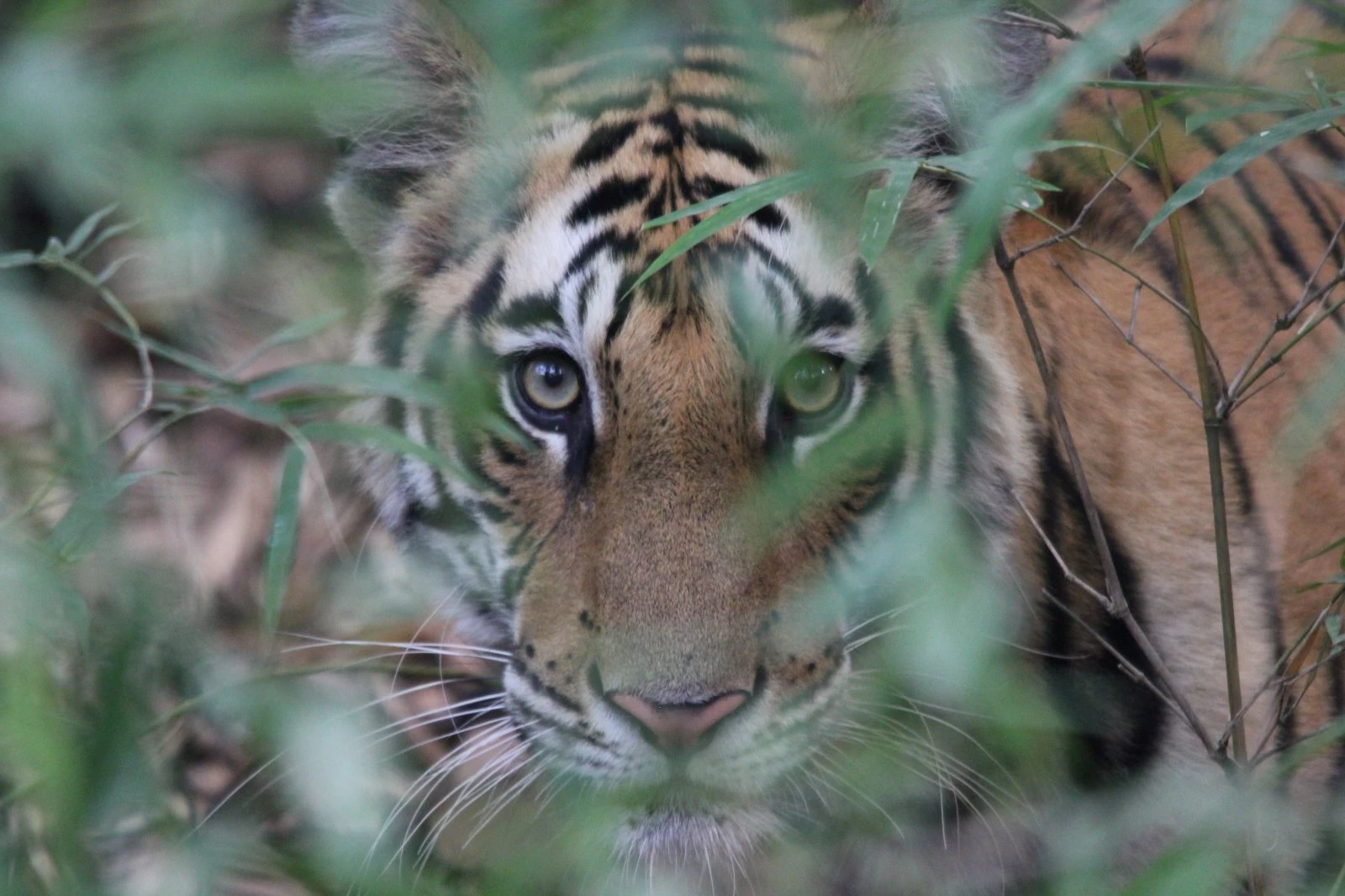
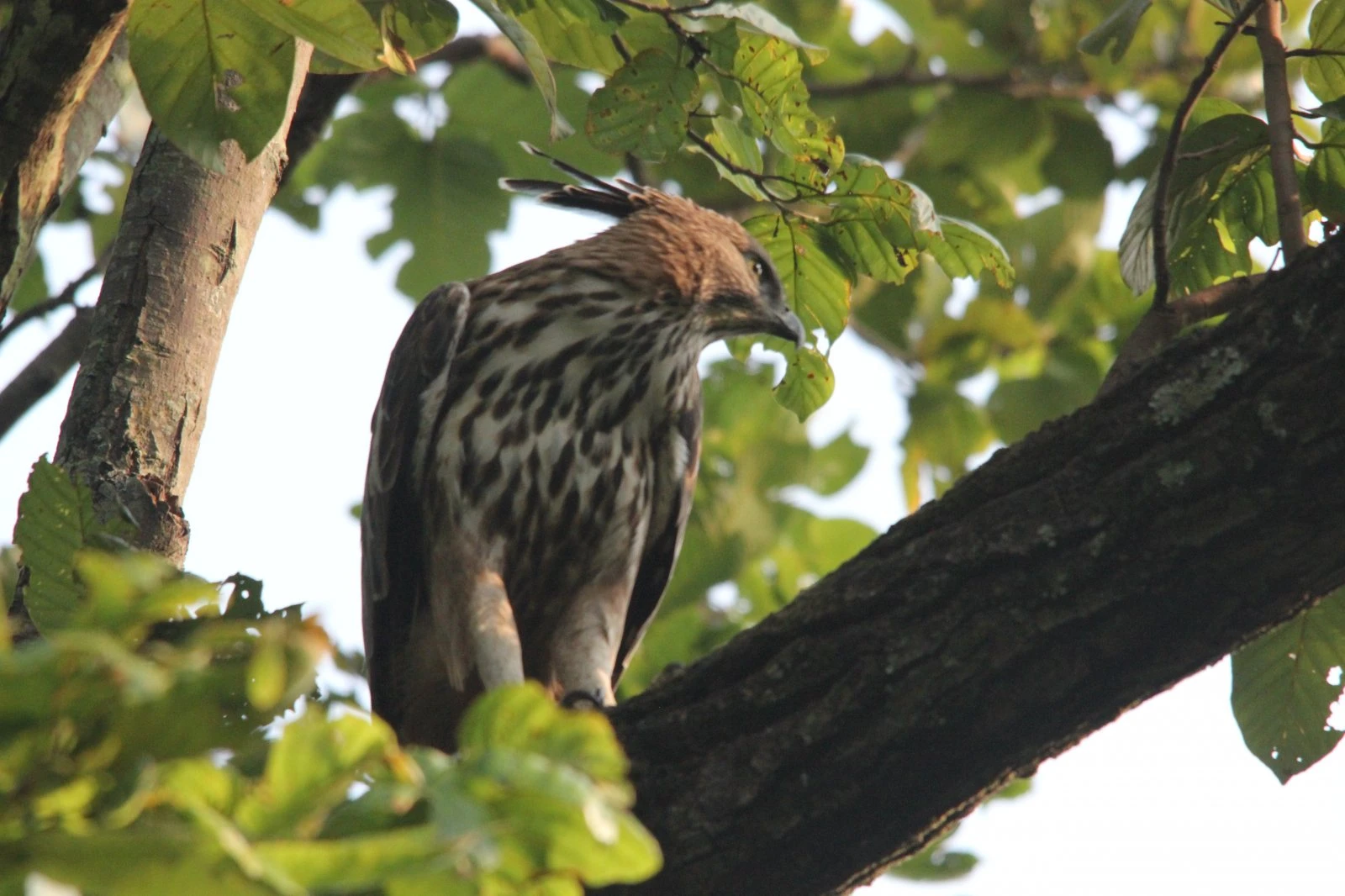
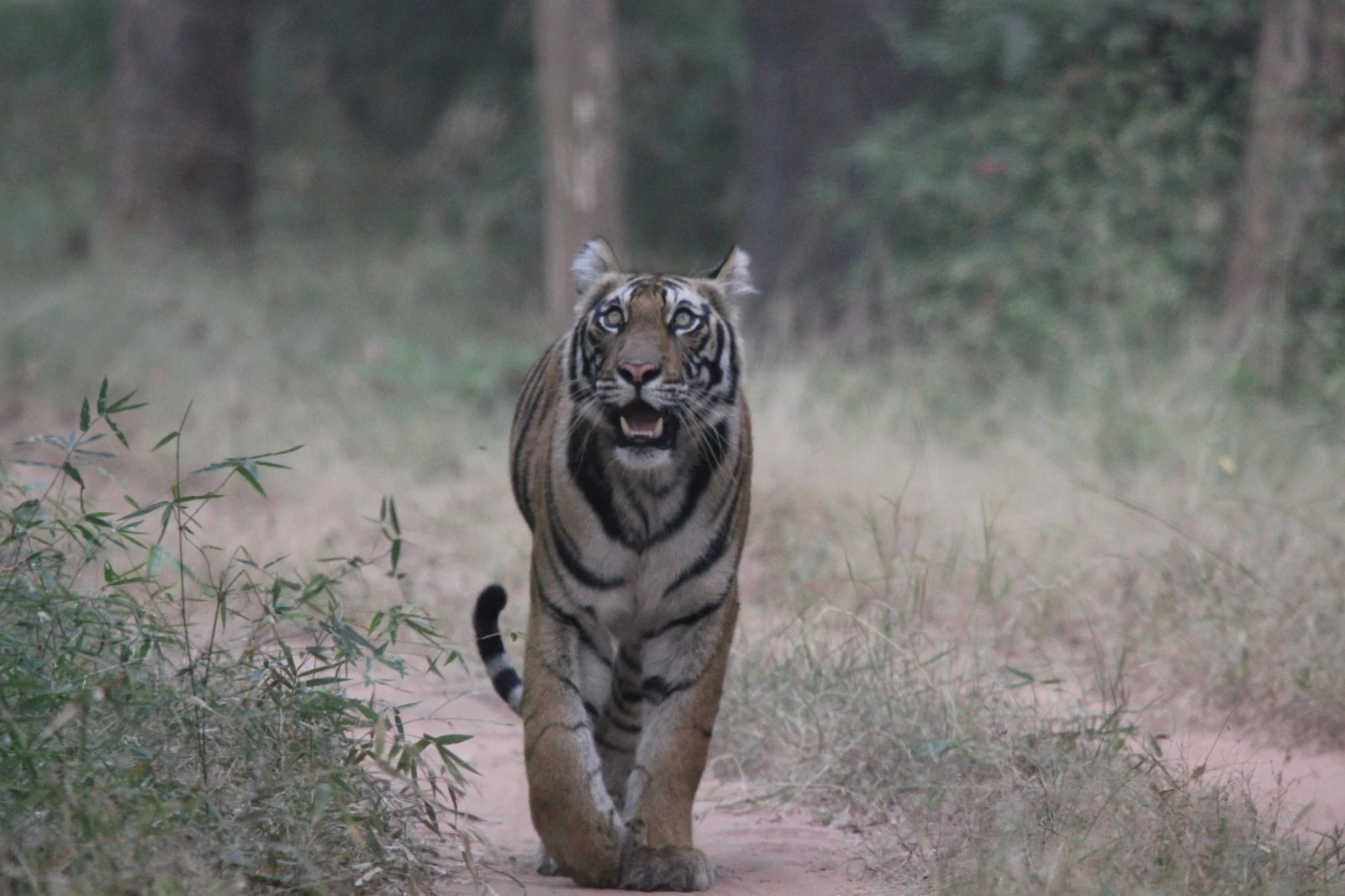
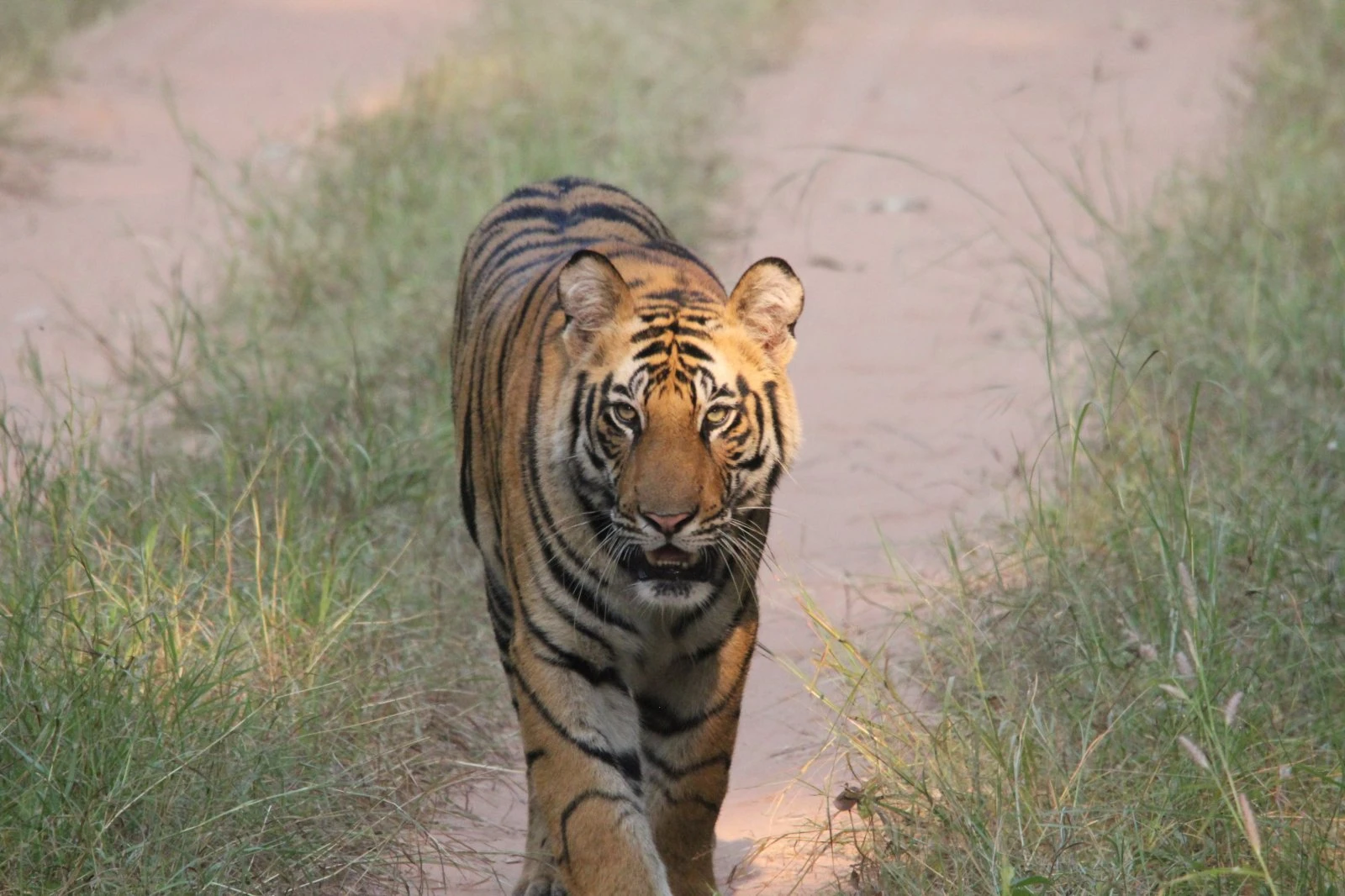
The price of safaris in Bandavgarh National Park is similar to those in Kenya and South Africa, although the probability of seeing the “big one” is much lower than in Africa, where at least a lion can almost certainly be seen. Despite warnings from the head of the agency that arranged our trip that we could hardly count on seeing a Tiger, we were clearly very lucky, at least in this respect, as we were granted the privilege on our first safari. The Big cat posed for the impatient passengers in the off-road vehicle in the afternoon sun against a backdrop of bamboo and surrounding hills, gave us a few glances and silently disappeared into the impenetrable shelter of the dense jungle. The moments for which we flew ten thousand miles and paid almost the same amount in euros (for the whole family) will probably always remain in our memories, hopefully also in those of the children, as they will certainly no longer have the opportunity to experience them again when they reach our age.
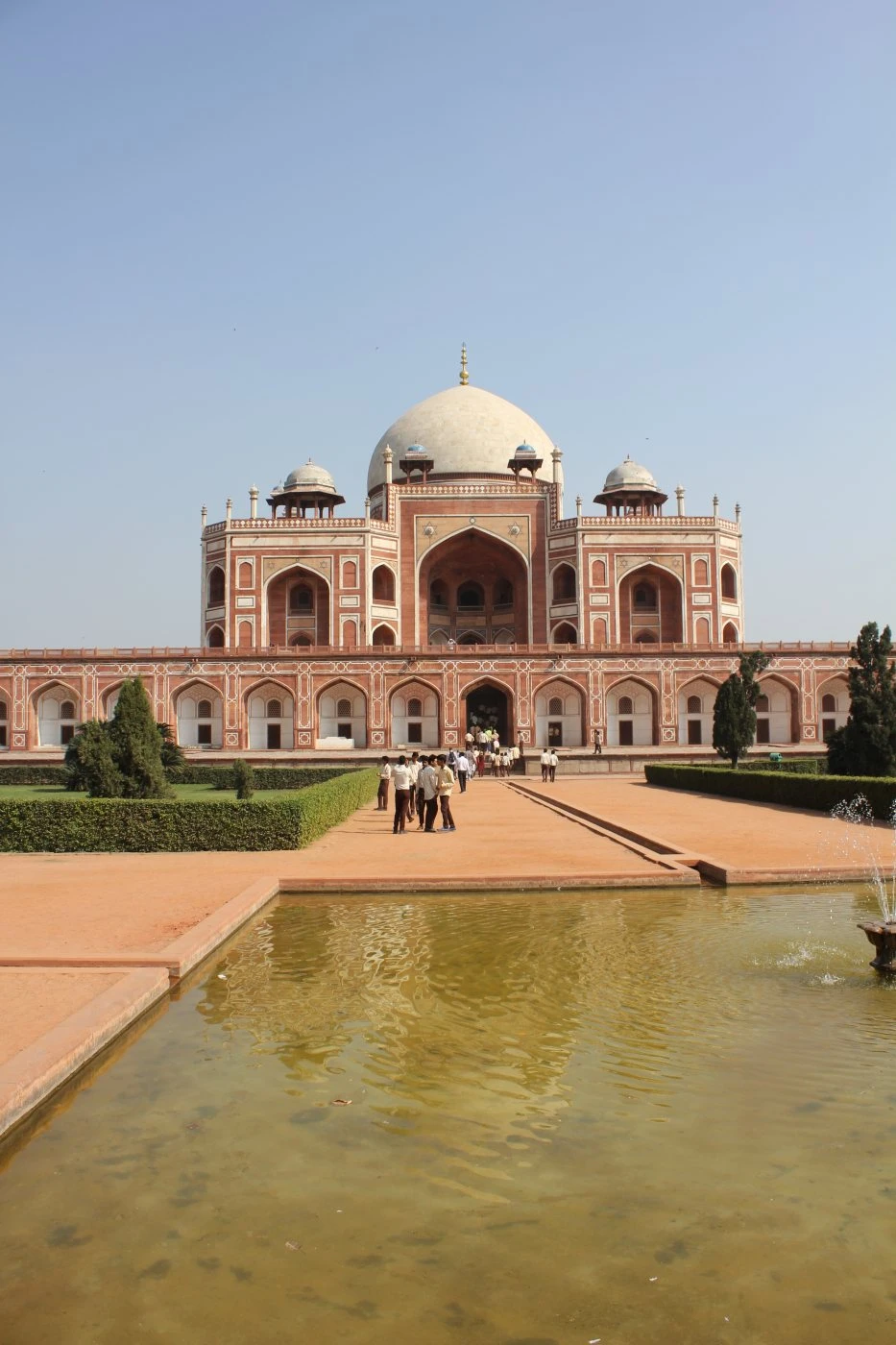
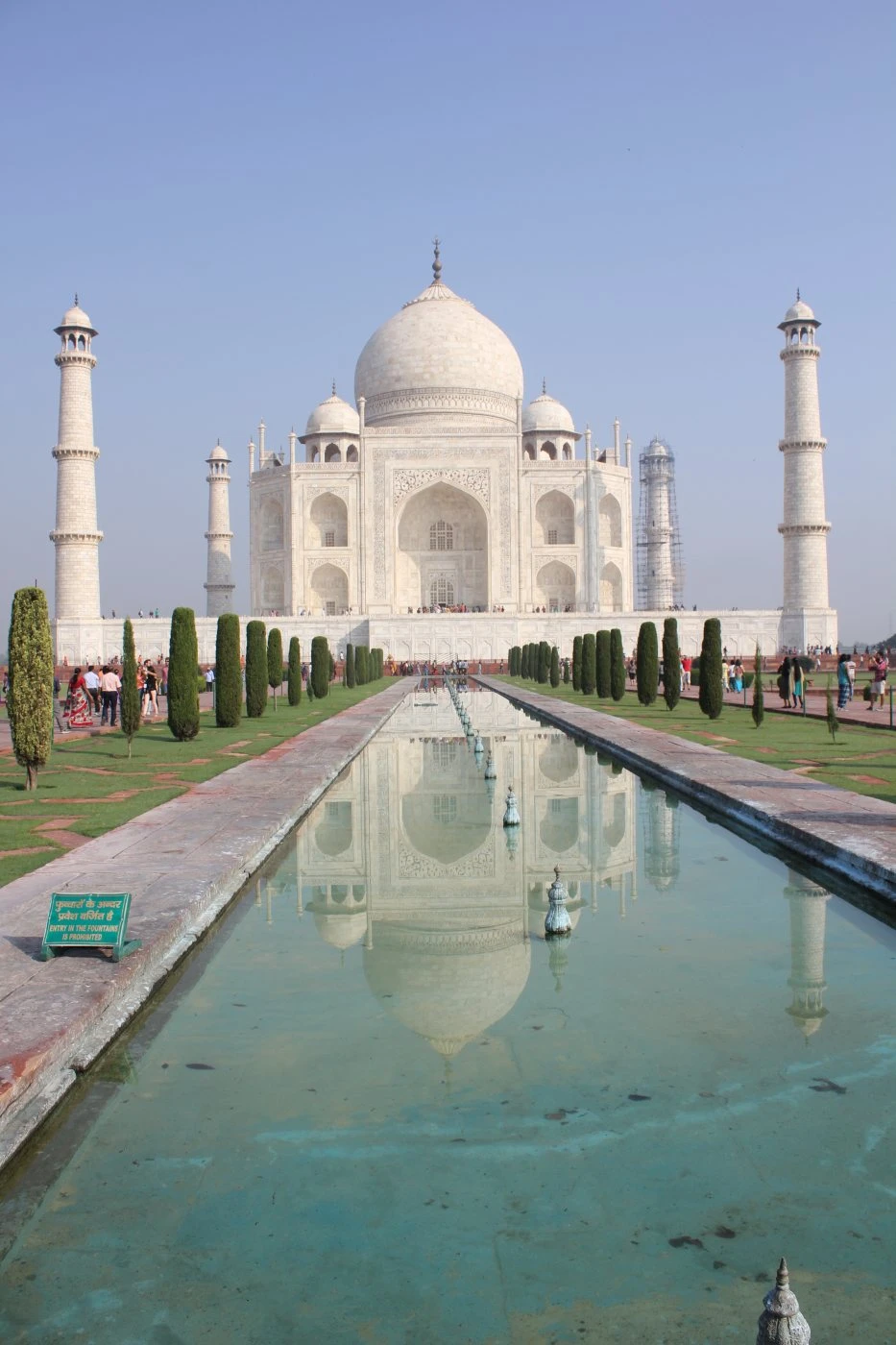
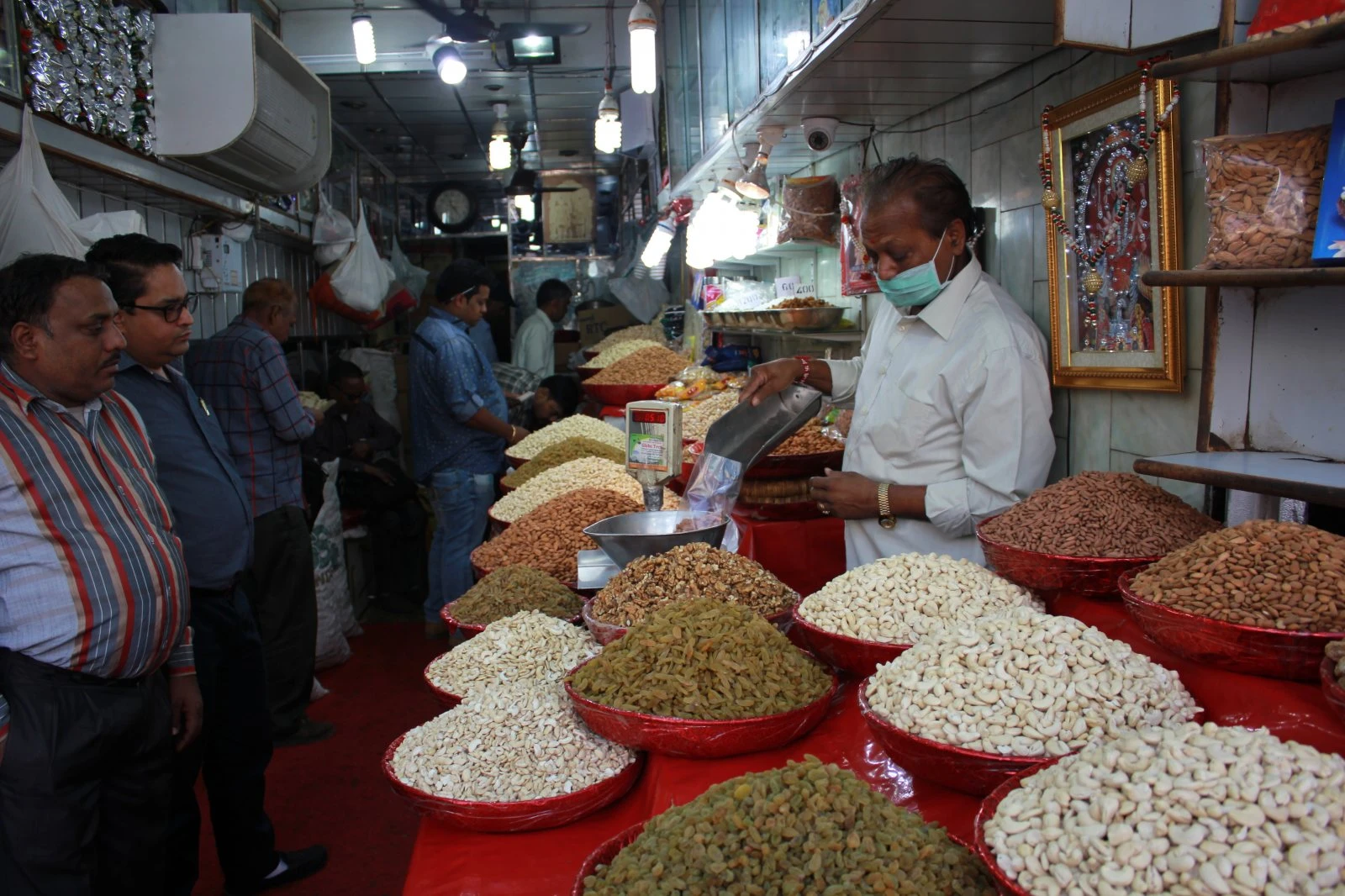
India is not for every traveller. There are too many surprises, both positive and negative, in this melting pot of cultures, religions, peoples and languages for people who could not simply surrender to the overwhelming current of travel destiny.
India
Gallery
✦ This article was translated from the original with the assistance of an AI translation system.