


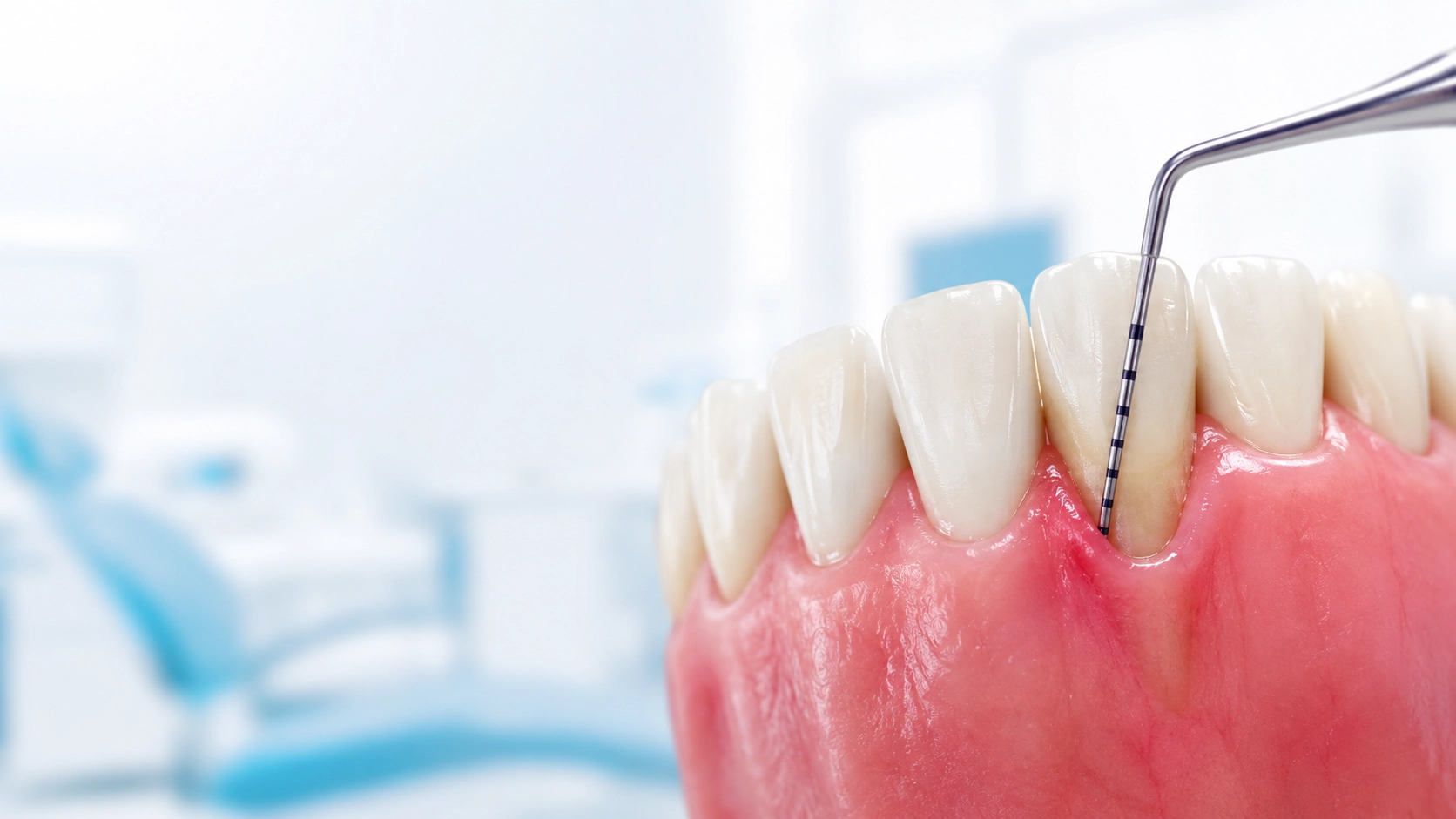
Periodontitis is actually an incorrect term for periodontal disease, but it has somehow become commonly used among patients and therapists alike. The disease affects all periodontal tissues: the gums, periodontal ligament and jawbone, in other words all structures that hold the tooth in the jaw. Therefore, in its final stage, the disease has a logical consequence: tooth loss. The main cause of periodontitis is the presence of dental plaque or bacteria that feed on it, or in other words, poor oral hygiene. Smoking and stress further worsen the condition to a great extent. Unsuccessful and inadequate recognition of "periodontitis", inadequate records, poorly planned and inappropriate treatment of the disease therefore most often leads to loss of teeth, prosthetic restorations and disputes between patients and therapists.
Dentists should treat inflamed (diseased) periodontal tissues before beginning conservative or prosthetic treatment. Studies show that these treatments have a much better prognosis when the periodontal tissues are healthy and plaque is well controlled.
The clinical signs of periodontitis, or more correctly periodontal disease, are inflammation of the gums and consequent bleeding (at home during brushing and in the dental office during probing). The probing depth of periodontal pockets is increased. Recession or withdrawal of the gums from the tooth neck, tooth mobility, tooth displacement, bone loss around the tooth and bad breath are signs that follow the initial symptoms. A good indicator of healthy gums is the absence of bleeding, but it is important to know that smoking masks the clinical signs of the disease, so the gums may appear healthy at first glance.


In the dental office, we must identify risk factors that may accelerate periodontal disease: smoking, genetic factors, diabetes... Patients with a combination of risk factors require special attention, and recognizing a high-risk clinical picture includes several signs:
- scores 3, 4 in a patient younger than 35 years (scores in the table above)
- smoking ≥ 10 cigarettes per day
- diabetes, stress, use of certain medications
- the shape of tooth roots and interdental spaces that make cleaning and treatment more difficult
- rapid progression of the disease (attachment loss ≥ 2mm in one year)
- high degree of gingival bleeding on probing despite good hygiene
- family history indicates a high percentage of teeth lost due to periodontal disease
- poor hygiene
| Score | Clinical signs | Treatment method |
|---|---|---|
| 0 | No bleeding, pocket probing depth ≤ 3 mm | No treatment |
| 1 | Gingival bleeding on probing | Oral hygiene instructions |
| 2 | Plaque, pocket probing depth ≥ 3.5 mm | Hygiene instructions, scaling and root planing |
| 3 | Probing depth ≥3.5 to 5.5 mm | Hygiene instructions, supra- and subgingival scaling and root planing |
| 4 | Probing depth ≥ 5.5 mm | Determination of disease stage, surgical and other procedures |
Good oral hygiene is critical for successful therapy. Plaque must be removed simply and effectively using interdental brushes and not only larger conventional brushes. Electric toothbrushes are much more effective. A recent study showed that flossing has no effect on reducing the amount of plaque and thus on the occurrence (index) of gingival bleeding. In dental practices, we most often face the challenge of motivating patients to maintain proper oral hygiene, since cleaning usually does not have an immediate expected effect. At first, the gums actually bleed even more, and the spaces between the teeth also become larger (due to reduced inflammation), which negatively affects the patient's confidence in the instructions provided.