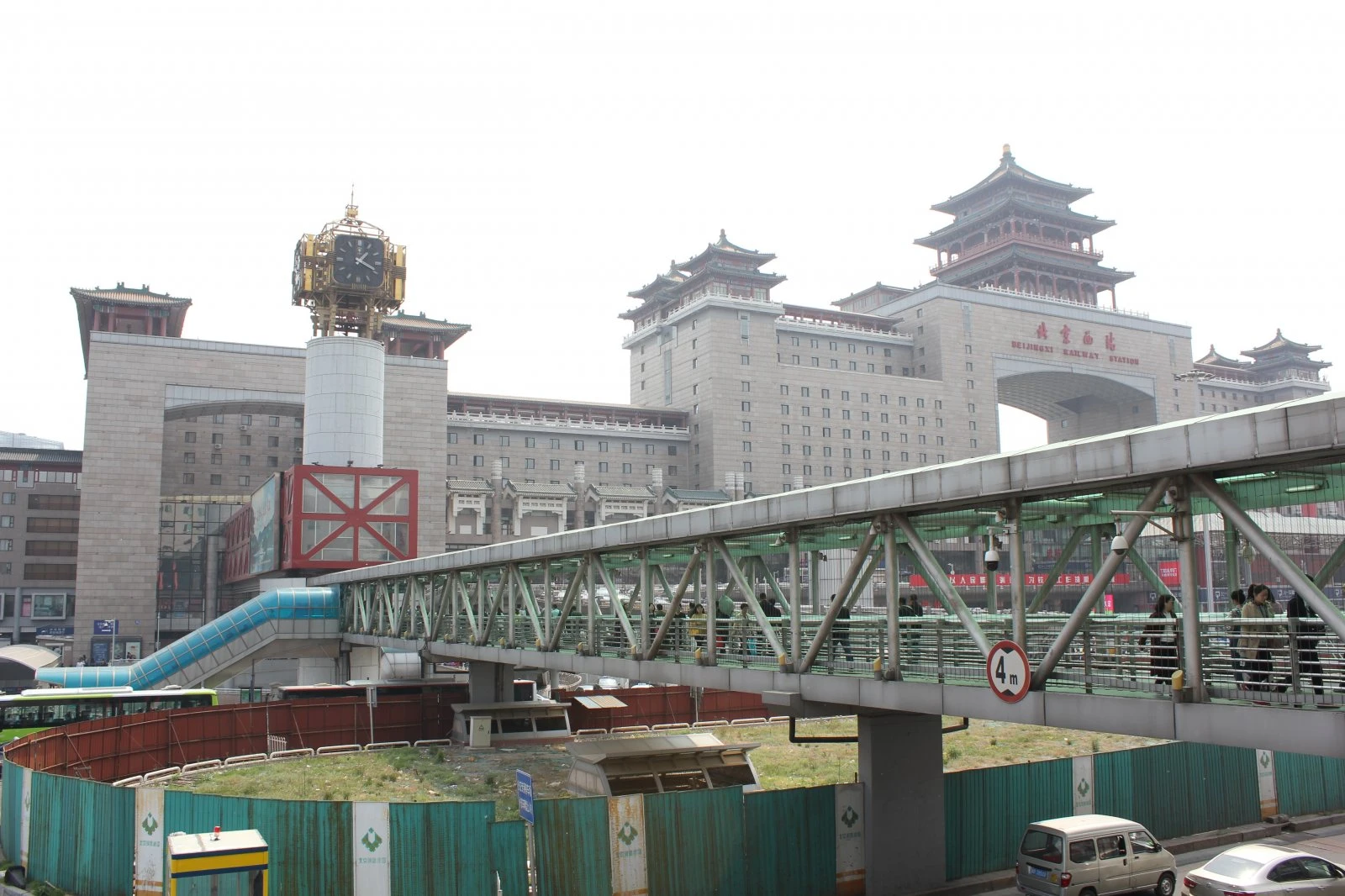
In spring we set off for a distant country that, somewhere in the subconscious, still awakens the spirit of adventure and thoughts of the Third World. Our very first encounter with Beijing airport, in a capital of twenty-two million people which, unlike a European city with one, has no fewer than eight motorway rings, or ring roads, gives the tourist a completely different impression. China’s capital is modern and almost unpolluted; scooters and electric cars glide through the centre, while skyscrapers pierce a slightly grey sky that at this time of year is also dusted with sand from the Gobi Desert to the north. The price of a flat in the centre measuring a full 60 square metres, which is not small by Chinese standards, exceeds one million euros. The streets in the evening are safe and pleasantly lit, shopping centres stay open almost all night, and the prices of goods are astronomical. Archaic streets offer snacks of roasted scorpions, pigeons, rats, exotic seafood, cats, dogs… Visits to street restaurants, with completely different Chinese flavours that, at least to me, are much better than those we are used to at home, are safe, and food poisoning is almost unheard of.
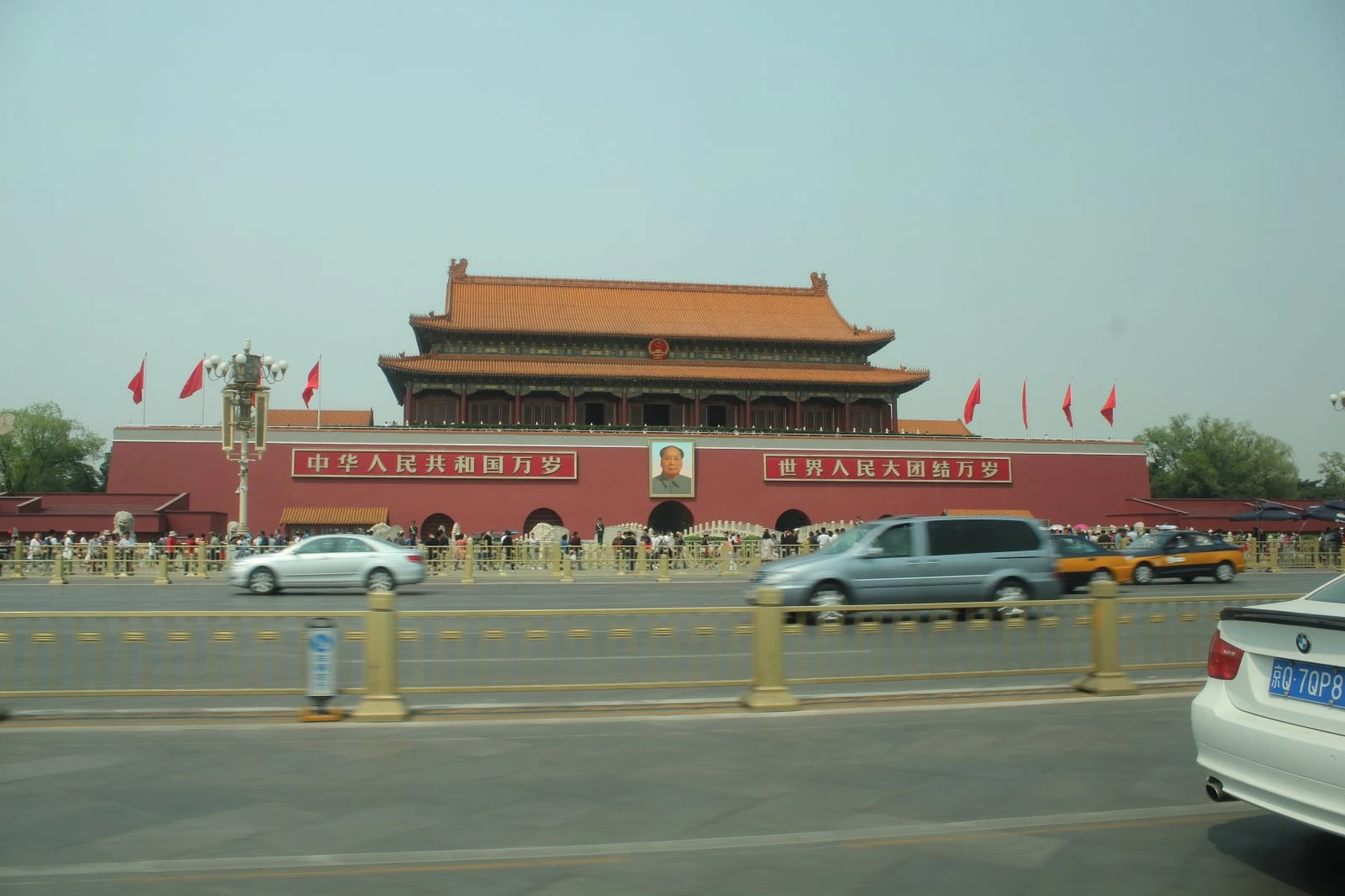
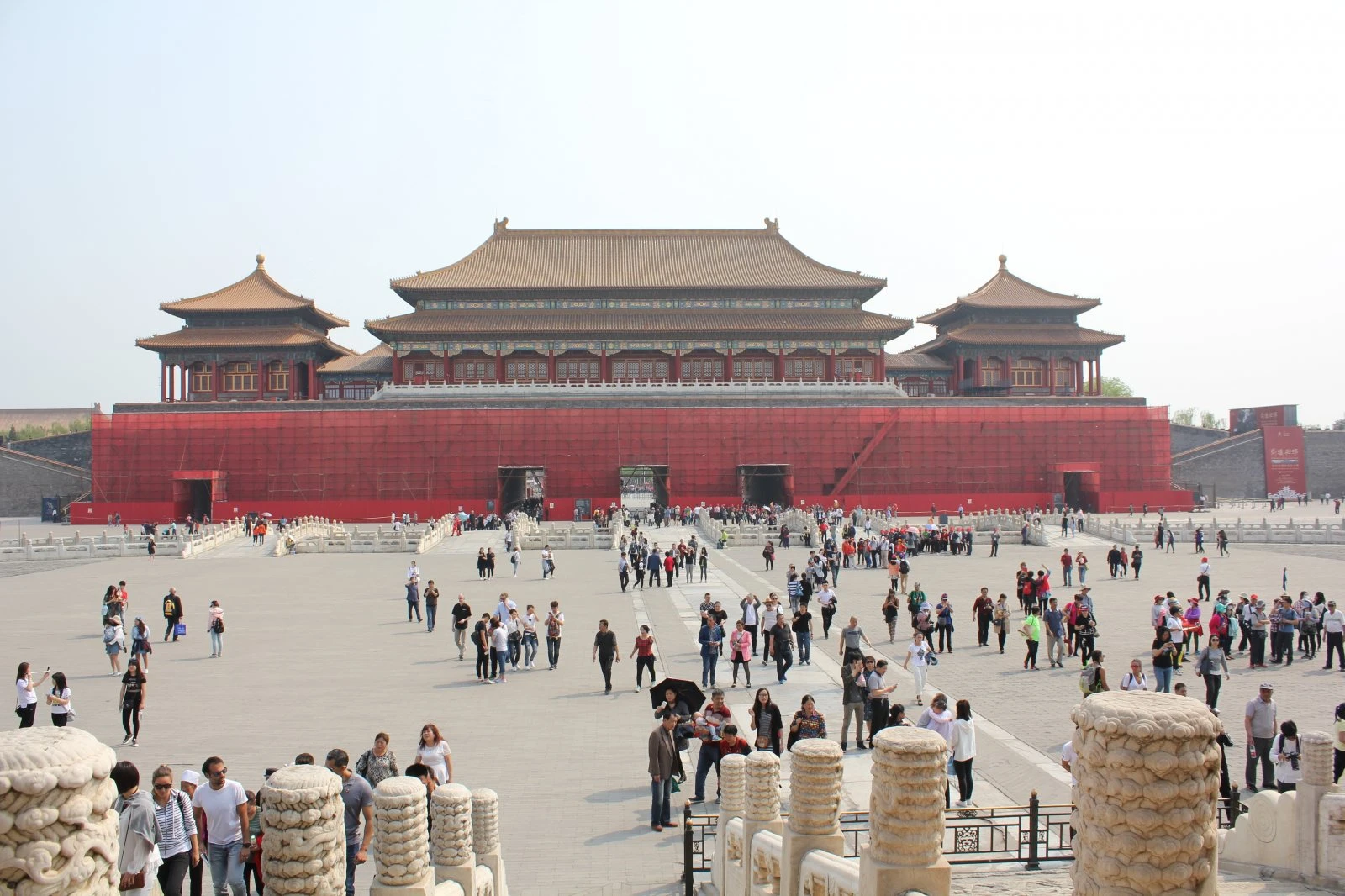
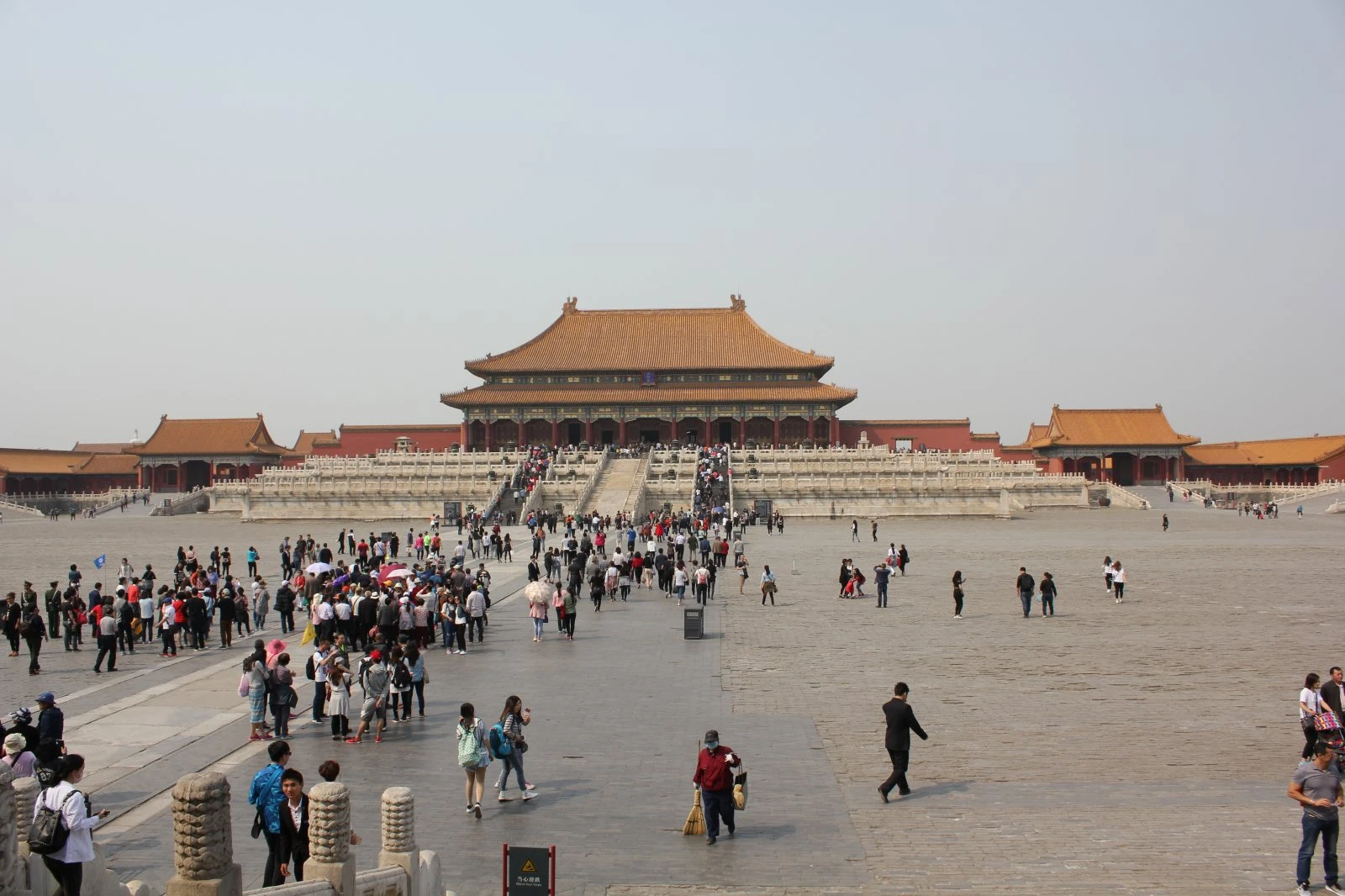
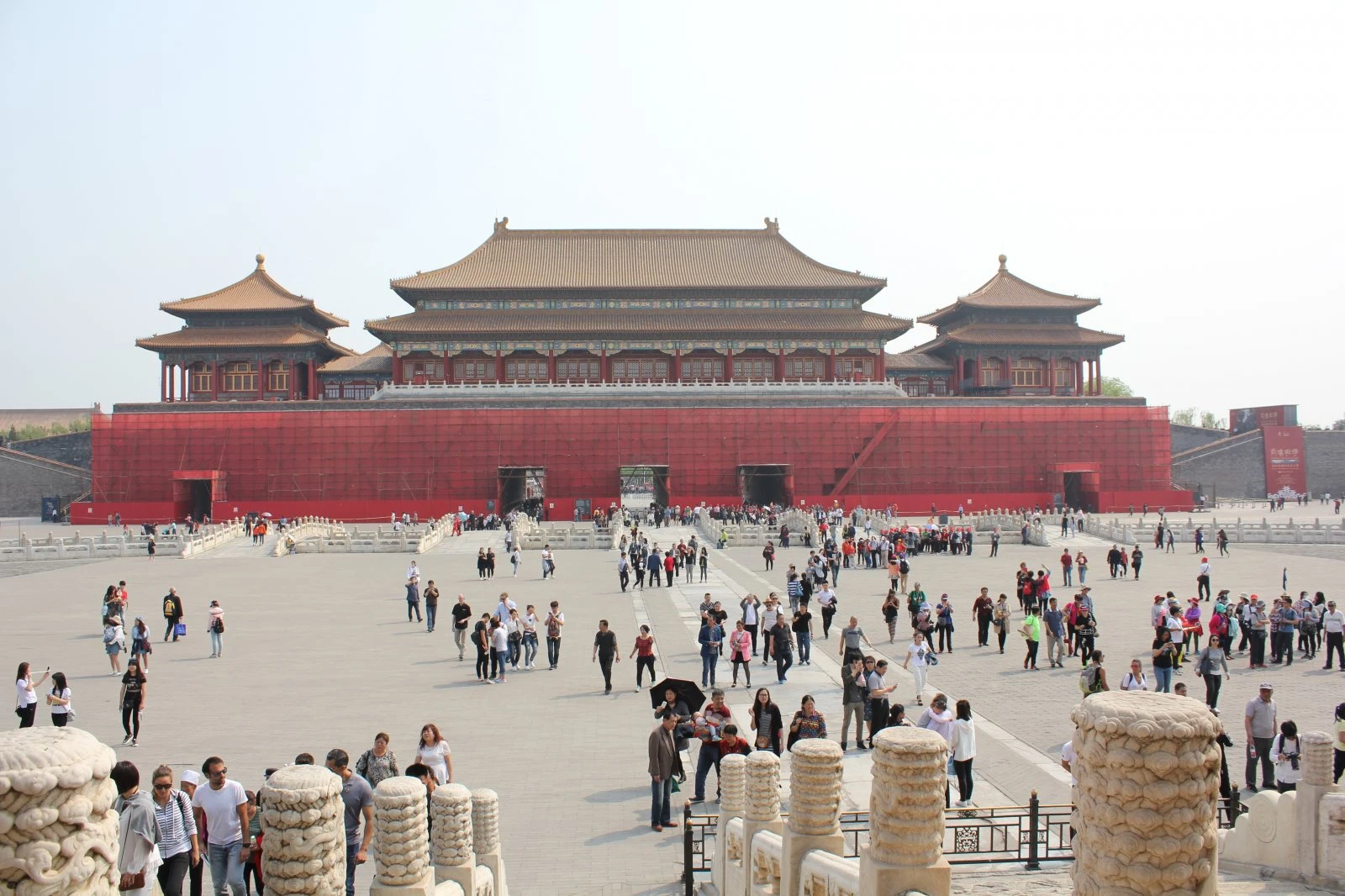
The Forbidden City, although stripped of much of its former splendour thanks to European and Chinese communist dignitaries, is impressive and breathtaking. Its enormous area, covered by meticulously designed palaces whose symmetries are determined by celestial bodies and by the way sunlight enters the windows of bedrooms and living quarters, convinces the traveller that China was once the greatest among the great and will probably rise again. Tiananmen Square, with its bloody recent past, thanks to people who in the name of the people shot a large part of those very people, is an endlessly vast surface paved with millimetre precision. From there one gets the best view of the childishly embellished portrait of Mao Zedong with the Forbidden City in the background, while on the other side stand block-shaped government palaces in the Soviet style. The prestige and grandeur, with few parallels on the planet, testify that we are still very, very far from democracy and humanity.
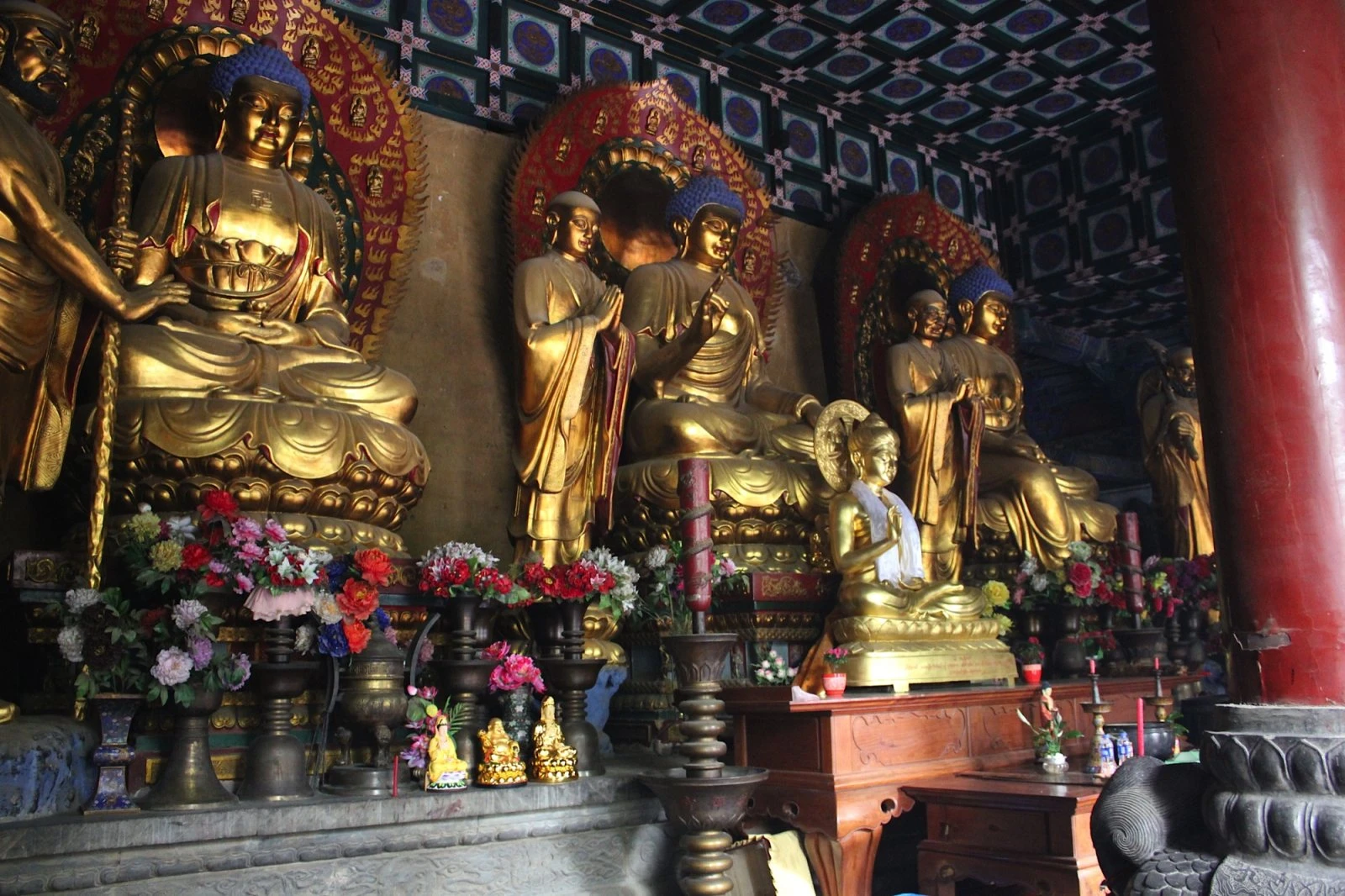
Various companies offer visits to the many imperial palaces in the city itself, which are more or less very similar to one another. We also visited the imperial summer residence about one hundred kilometres outside Beijing, where beautiful gardens and bonsai attract locals and tourists to rest in a tranquillity once enjoyed only by the emperor. A wonderful day by the ponds was somewhat spoiled for me by the sting of an Asian giant hornet (Vespa mandarinia), and believe me, keep well away from it. Our guide nearly had a heart attack at the sight of my arm, swollen from the fingers to the shoulder and very, very painful. Only after two days could I begin to move the poor limb carefully.
A few hundred kilometres south of Beijing we climbed an interesting rocky mountain almost a thousand metres high, into which nearly 100,000 steps have been carved, the result of three centuries of work by diligent monks. From the summit, above vertically steep cliffs usually wrapped in mist, monasteries and chapels built into the rocks look out over the landscape. The mountain can be ascended by cable car or, for those who are truly fit and not afraid of heights, by thousand-year-old steps.
The Great Wall of China was the goal of our journey. It can be accessed at many different points; some are very crowded and developed, while others, many still almost unknown, lie hidden in the wilderness somewhere between Mongolia and northern China. It can be seen from the Moon, say those who have been there, so it certainly deserves to be seen up close as well. You will not regret it.