


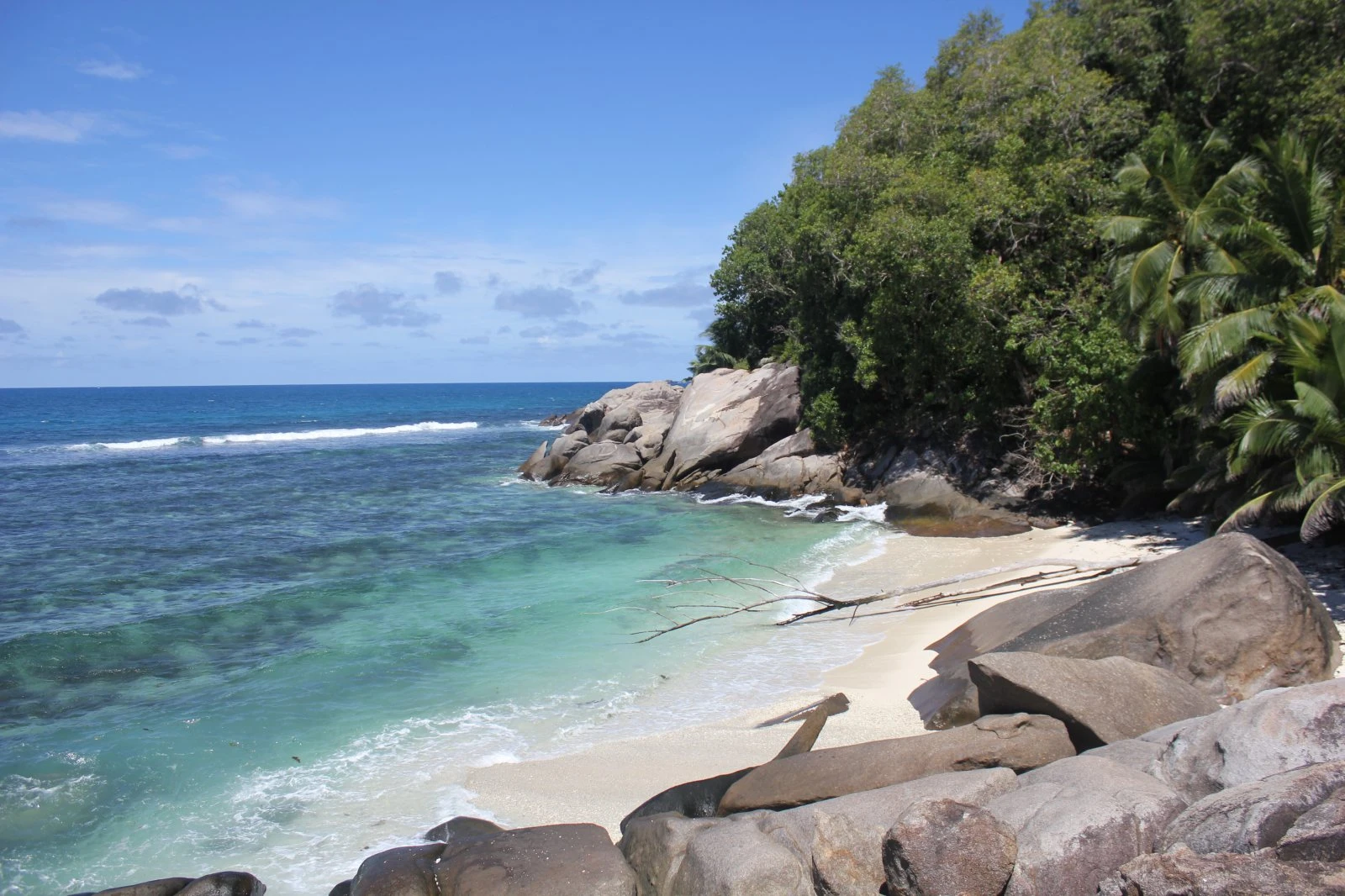
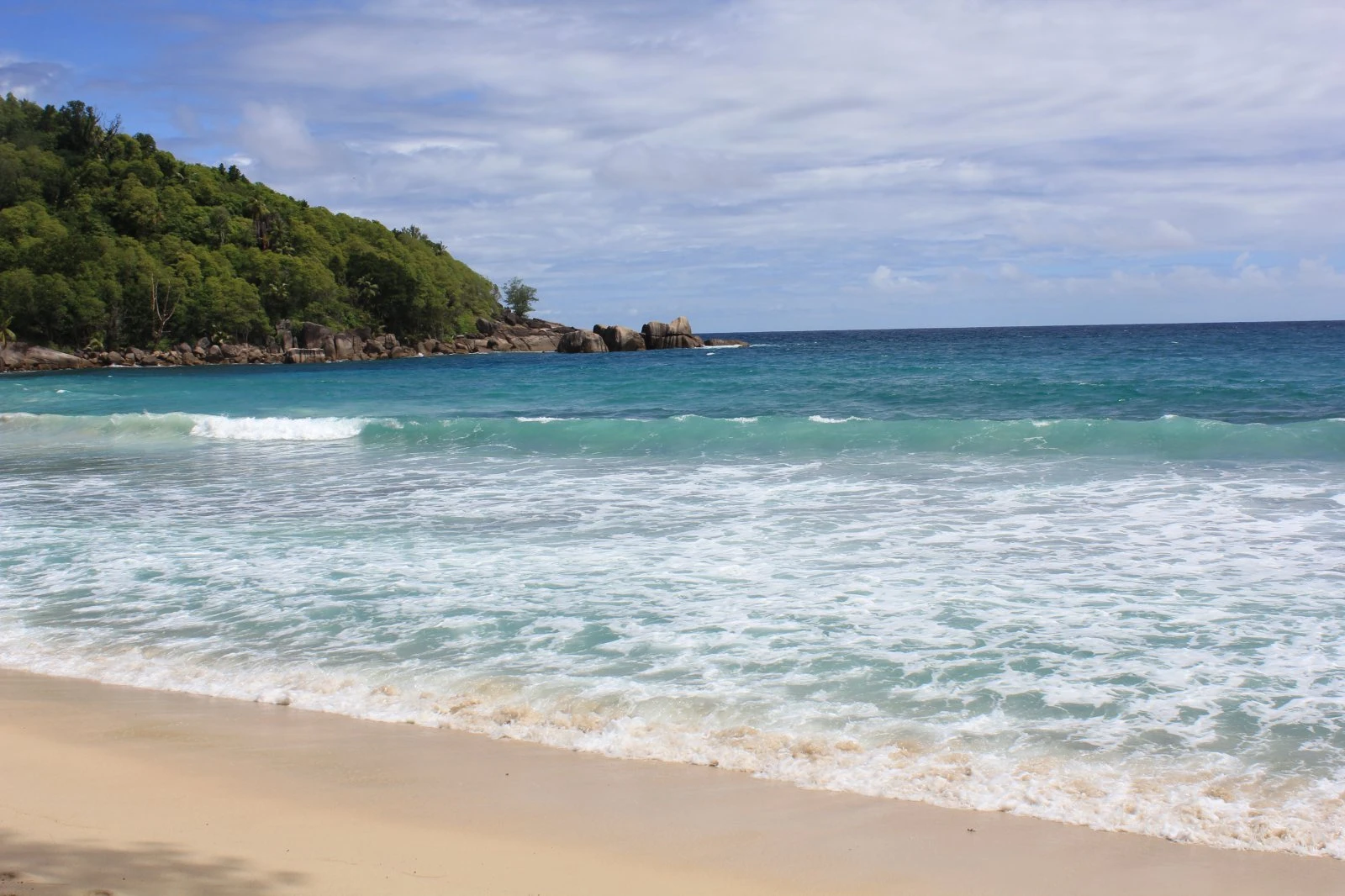
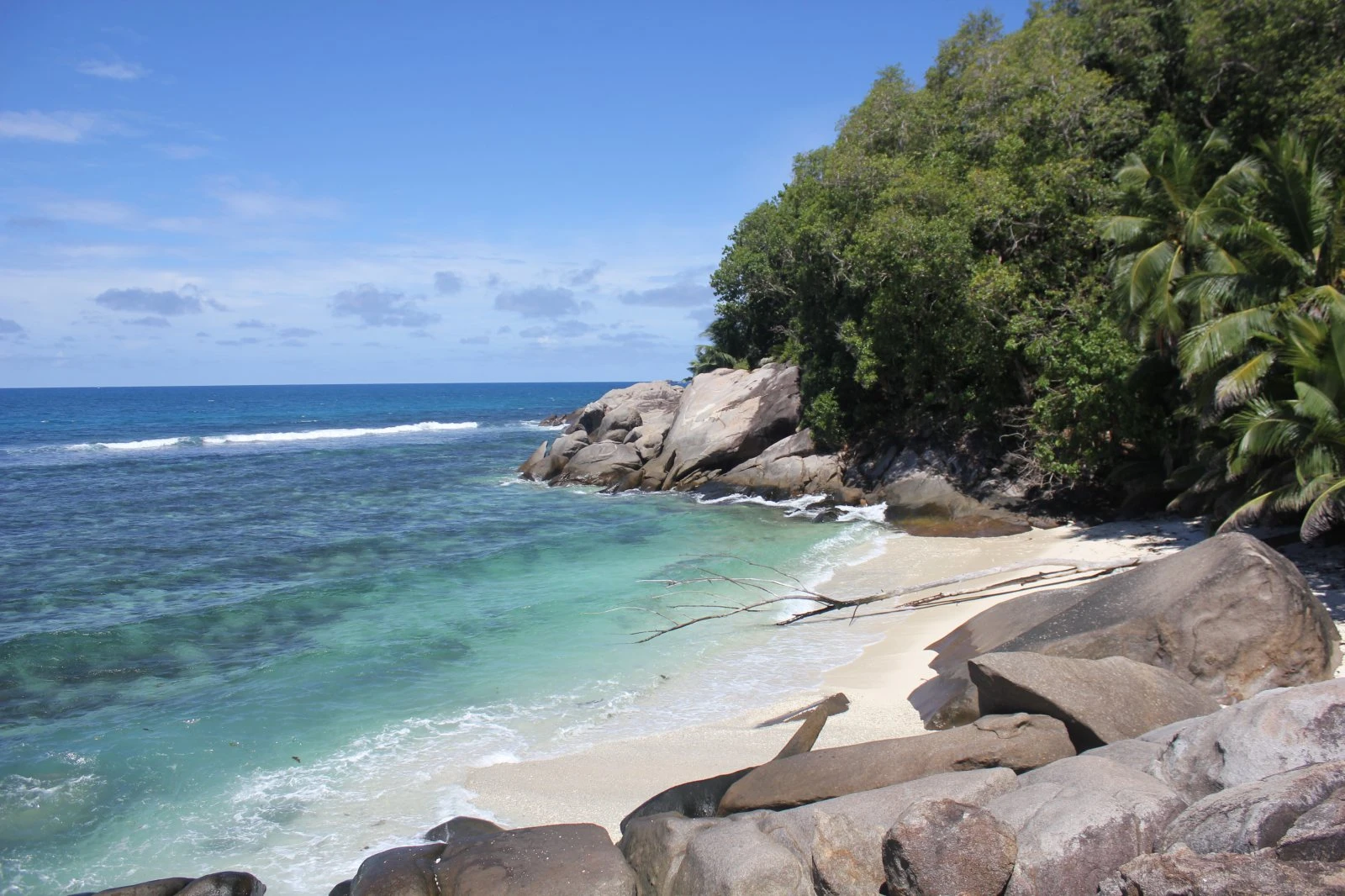
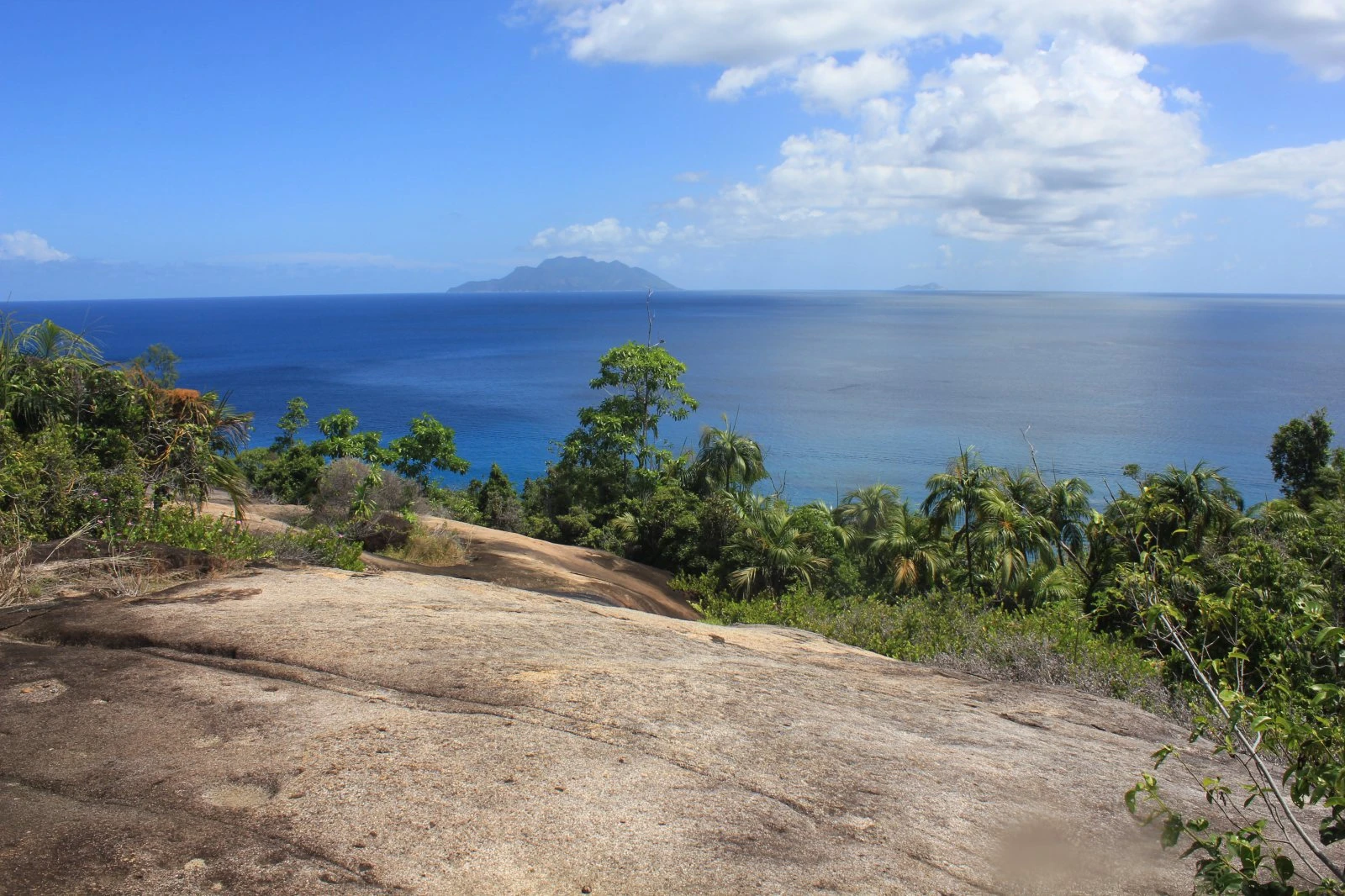
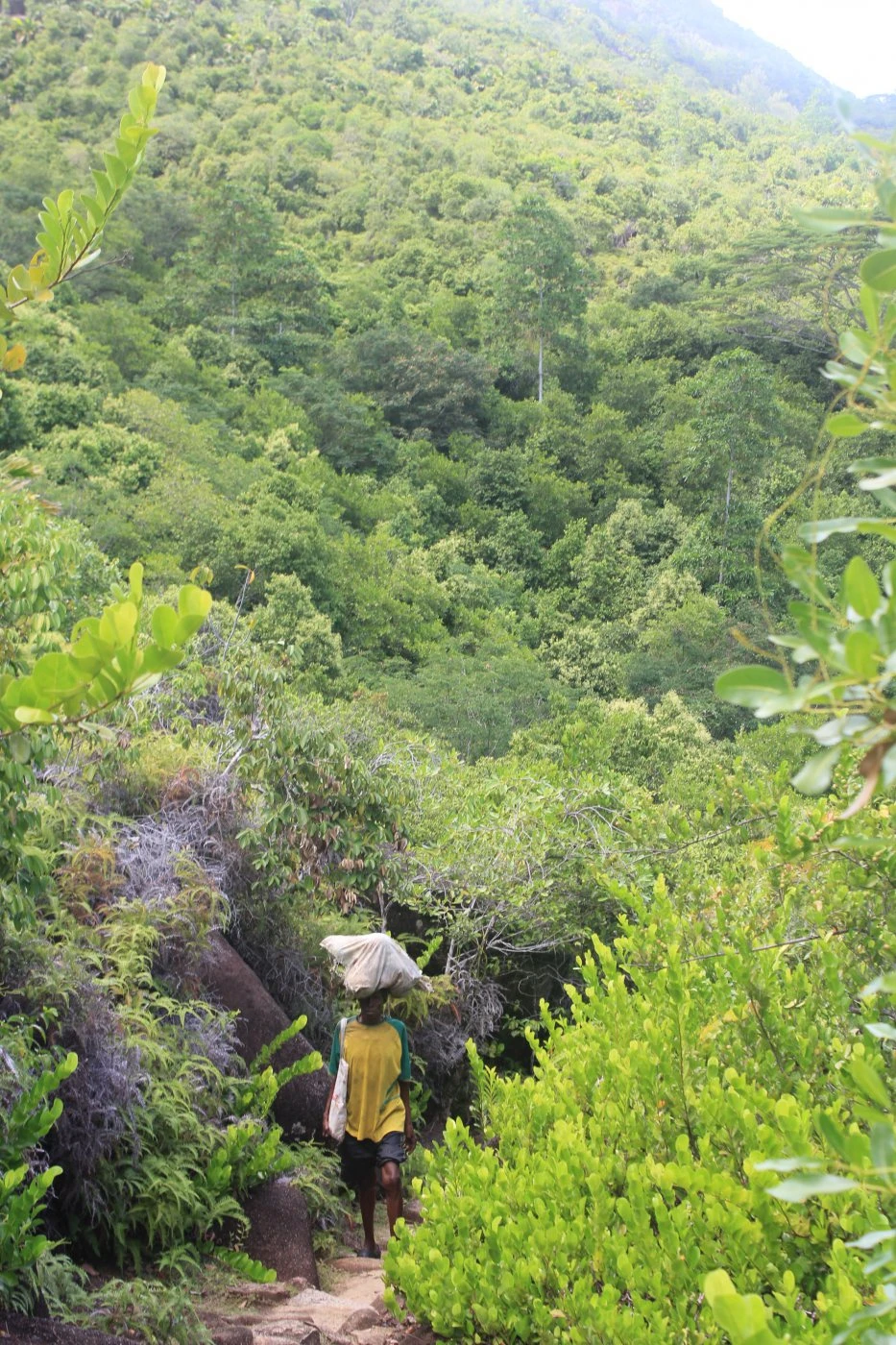
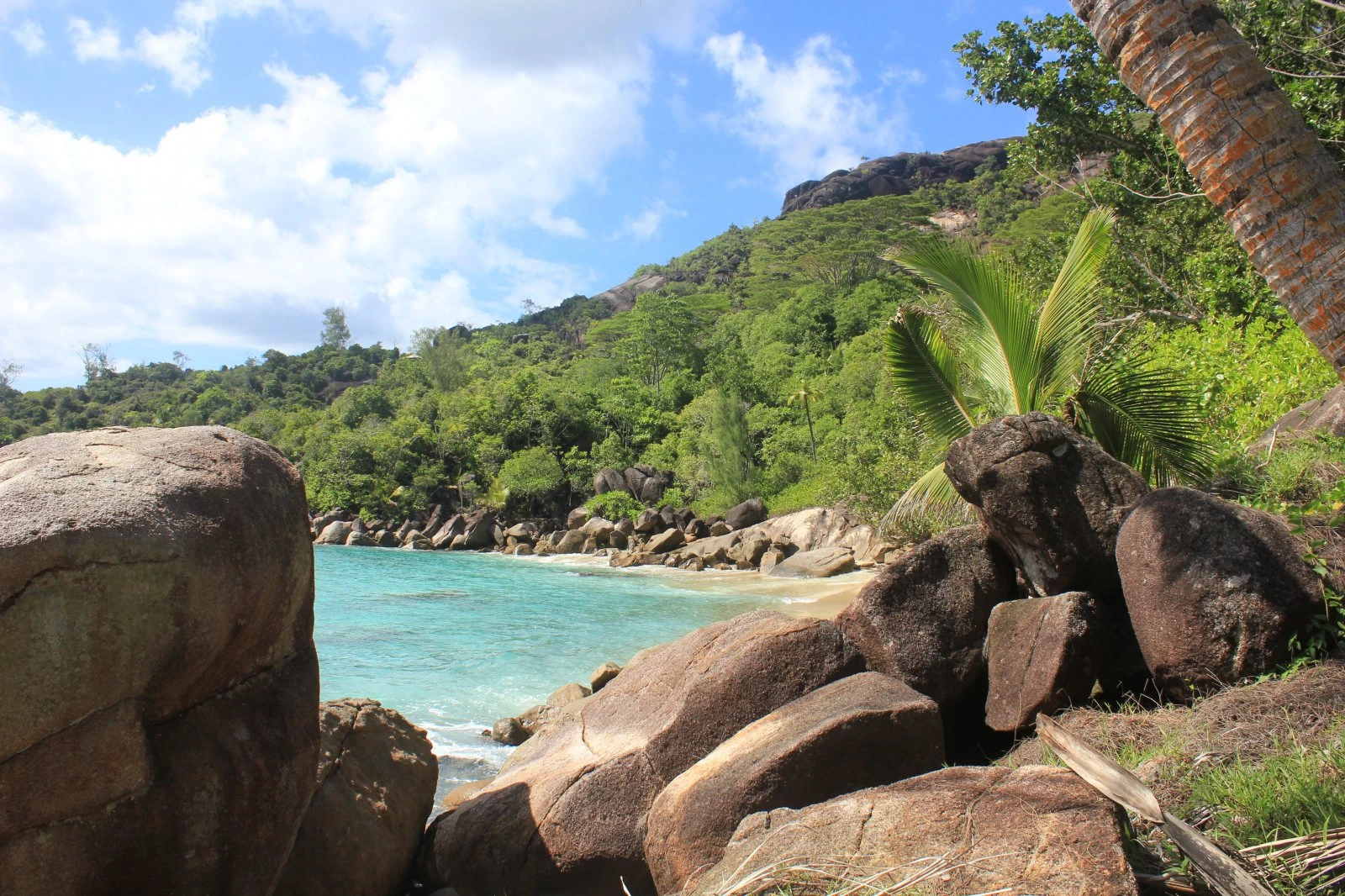
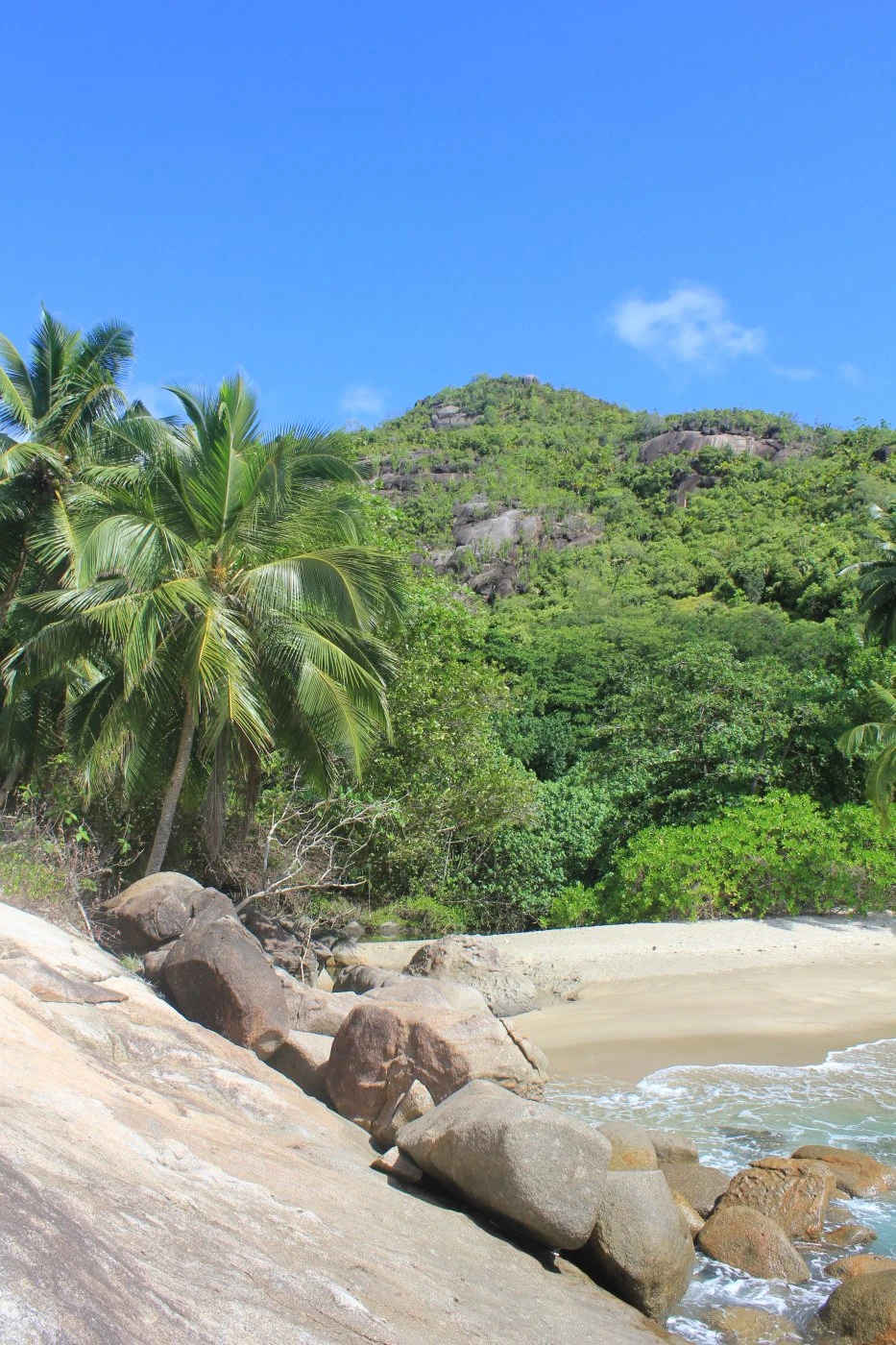
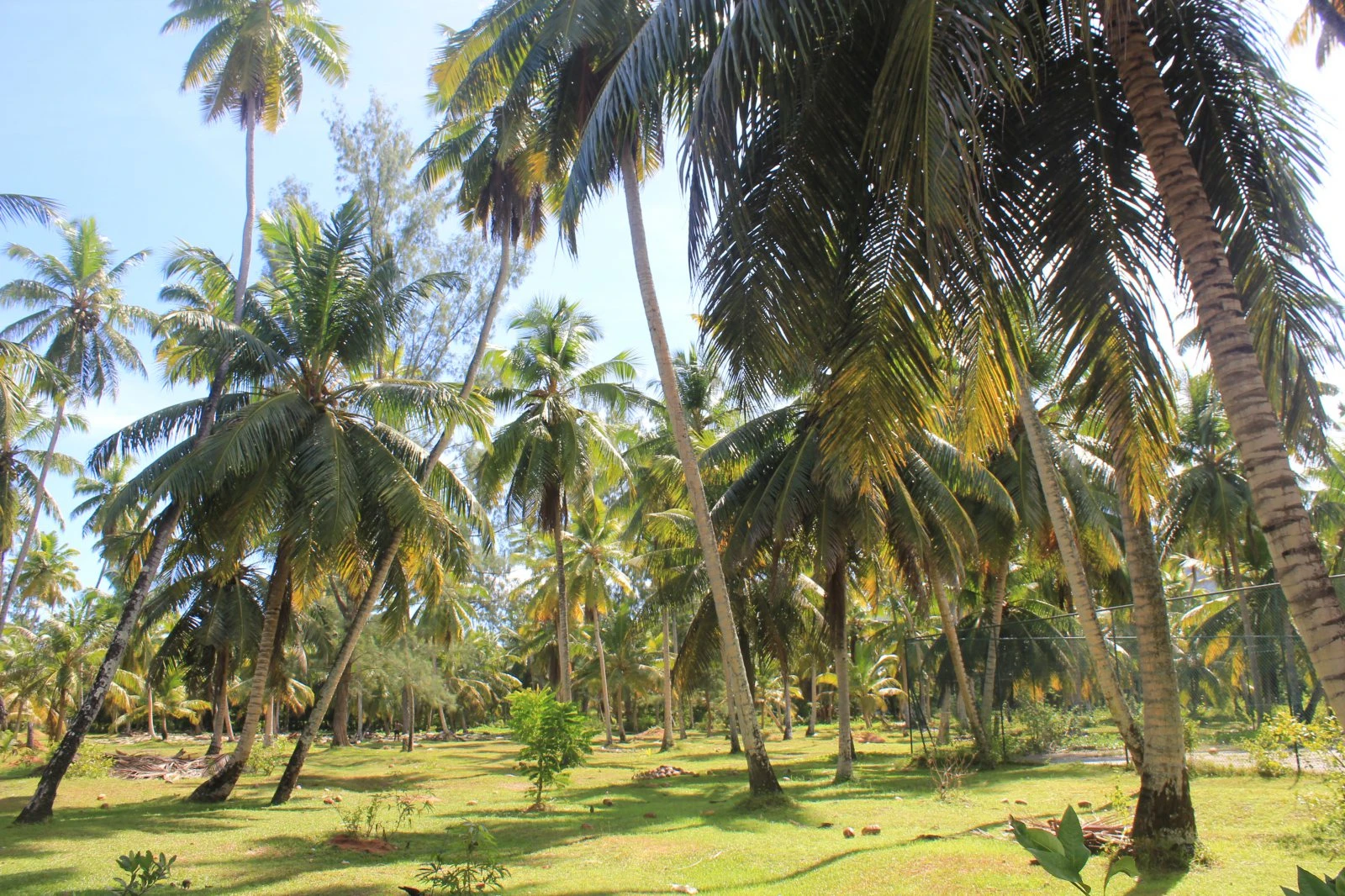
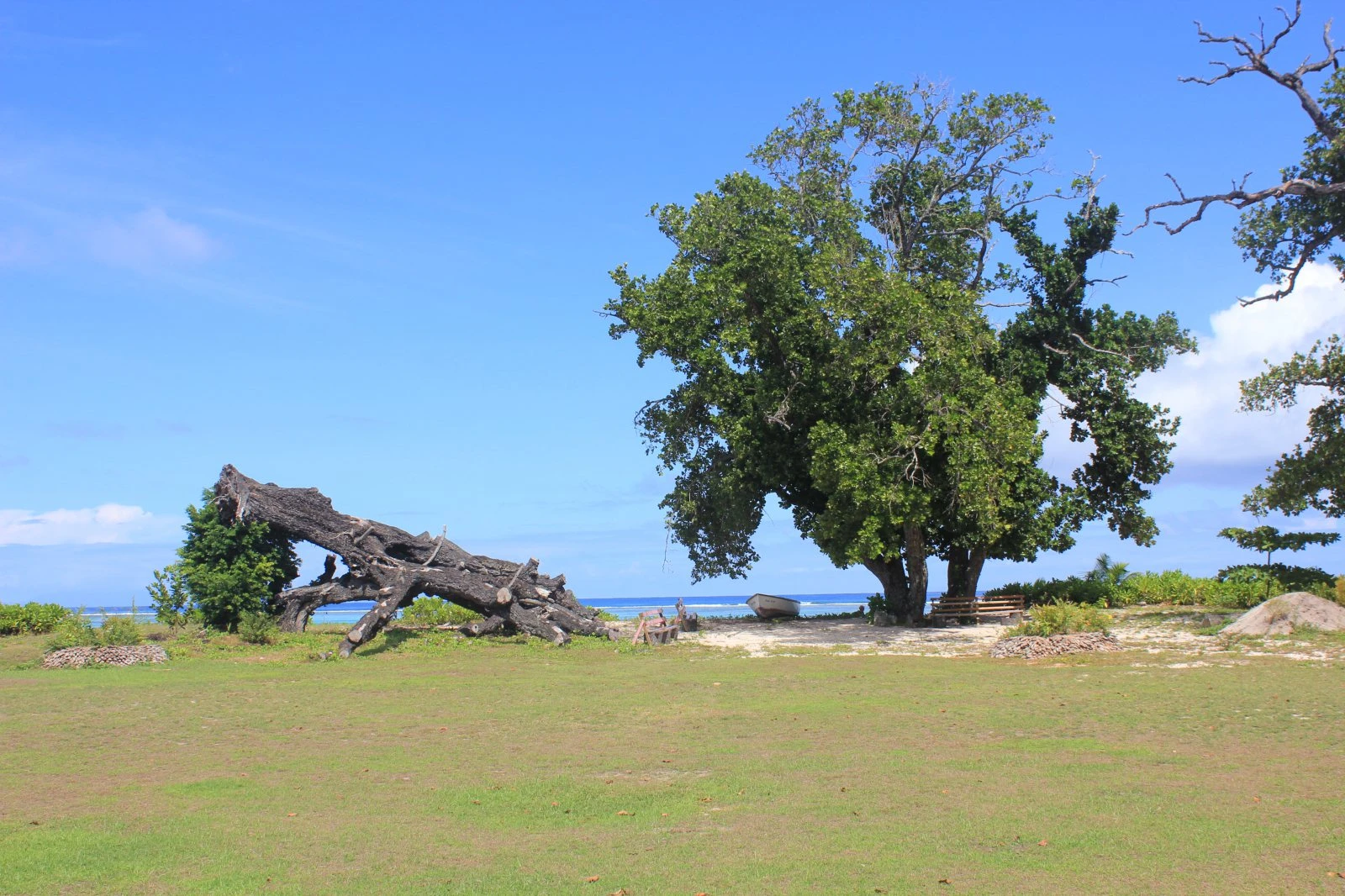
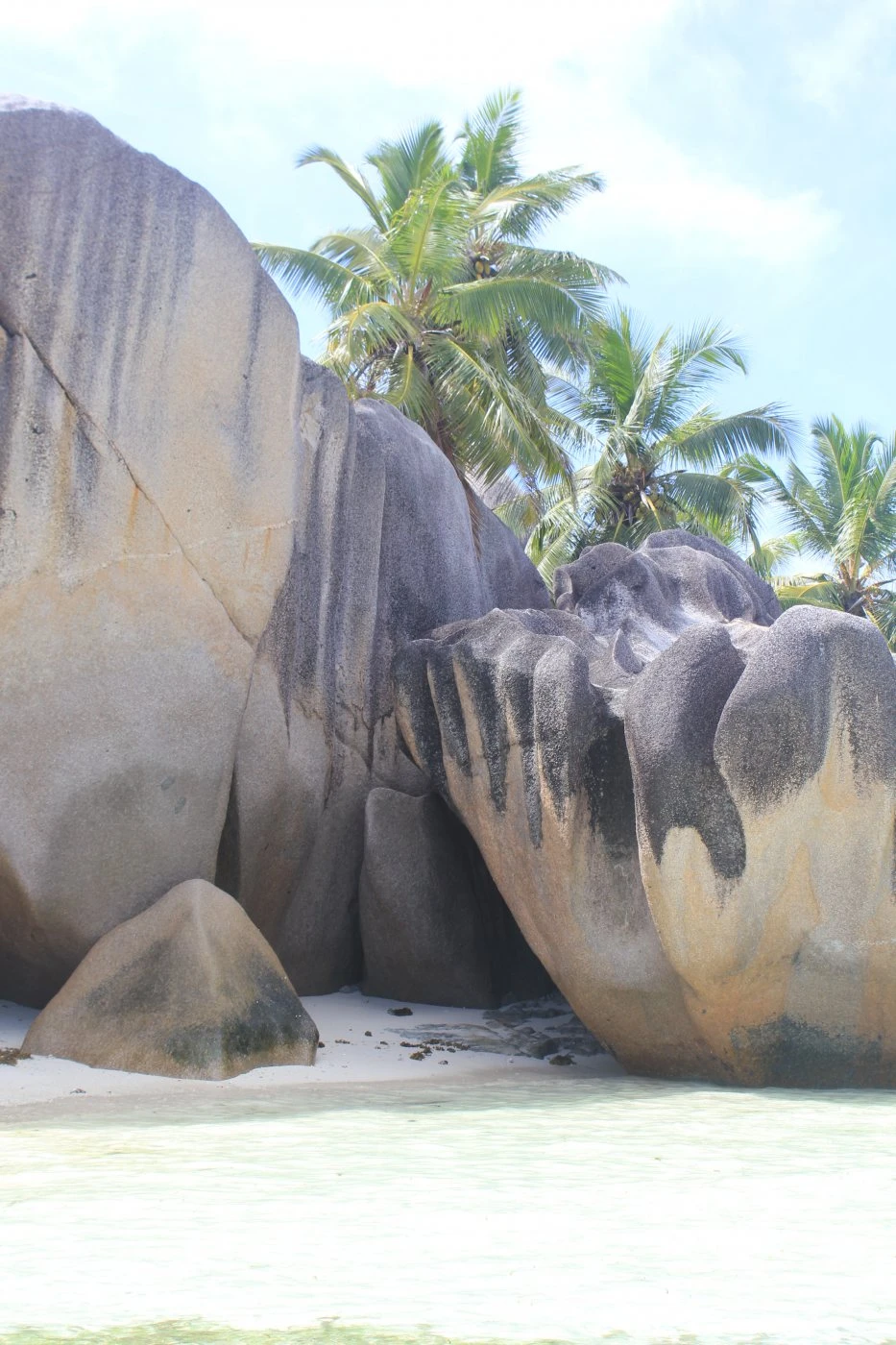
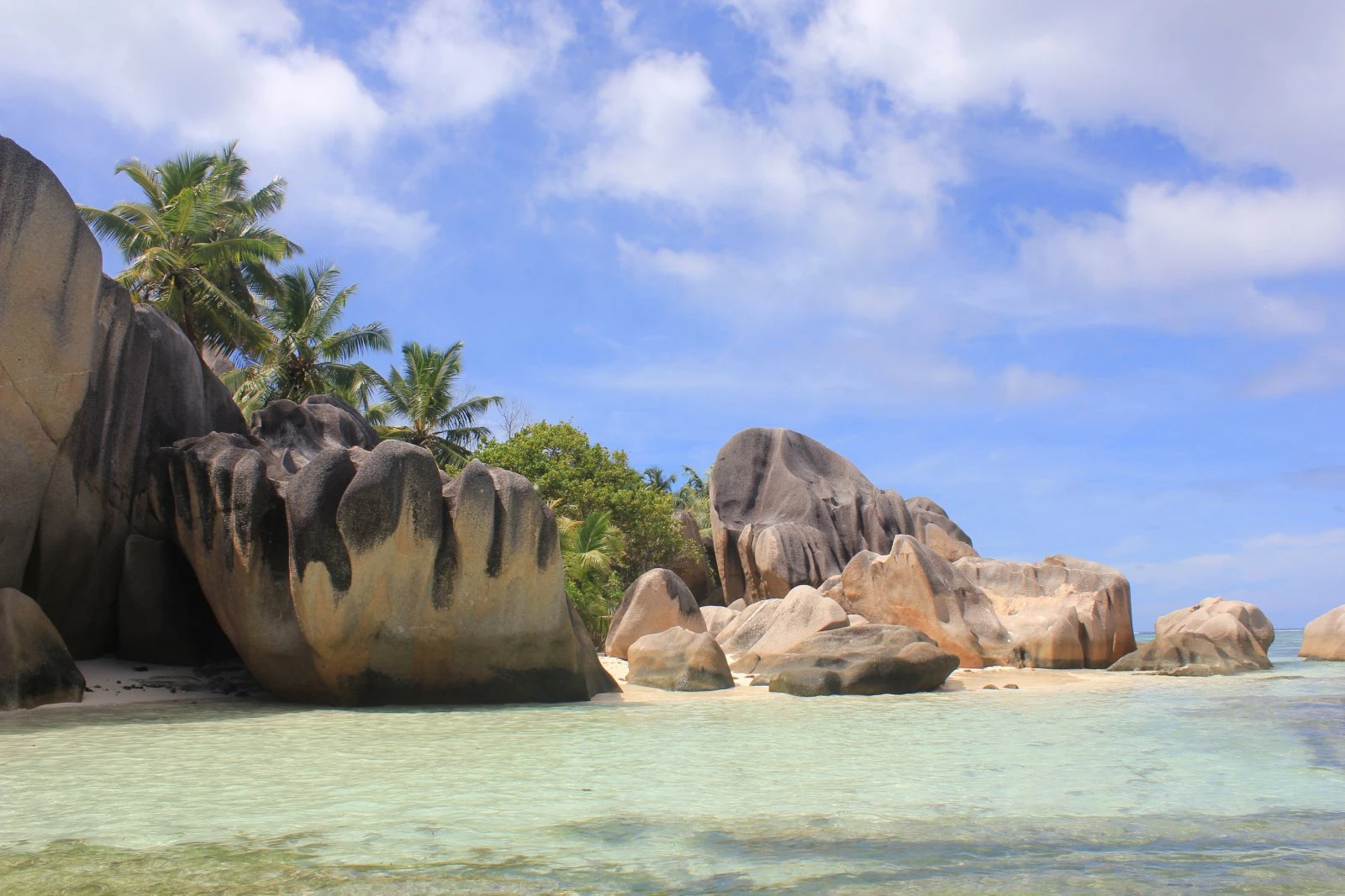
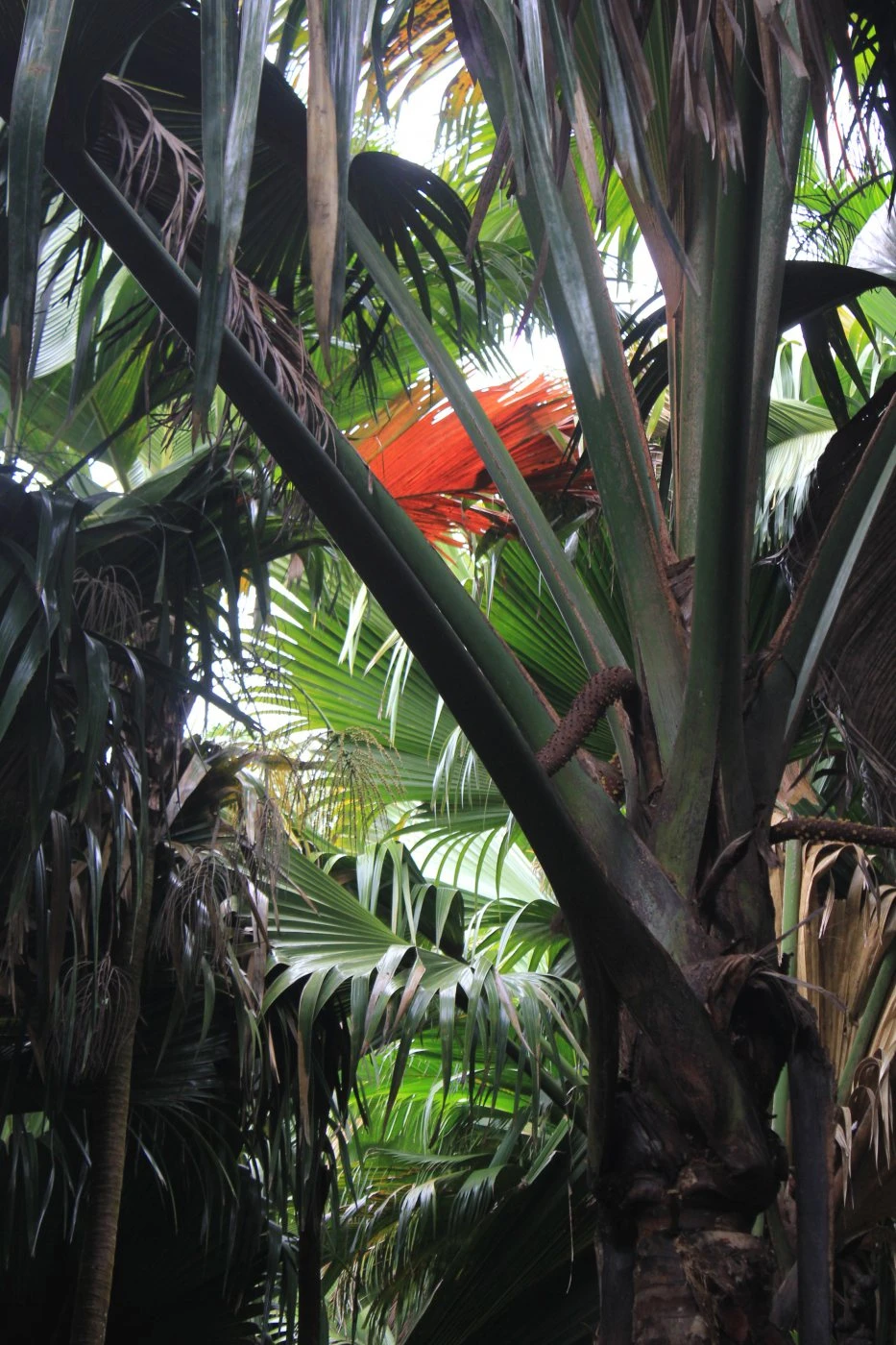
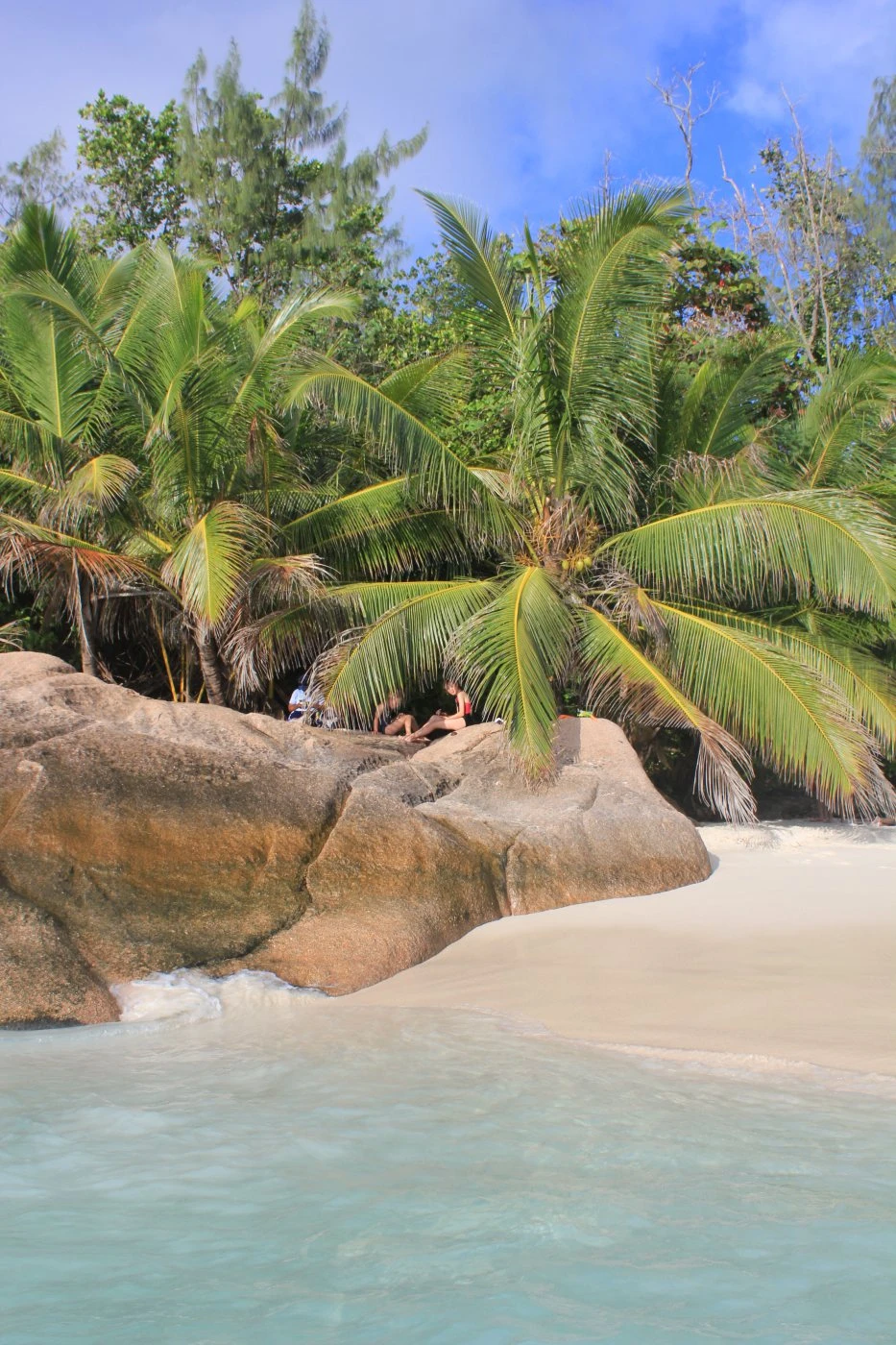
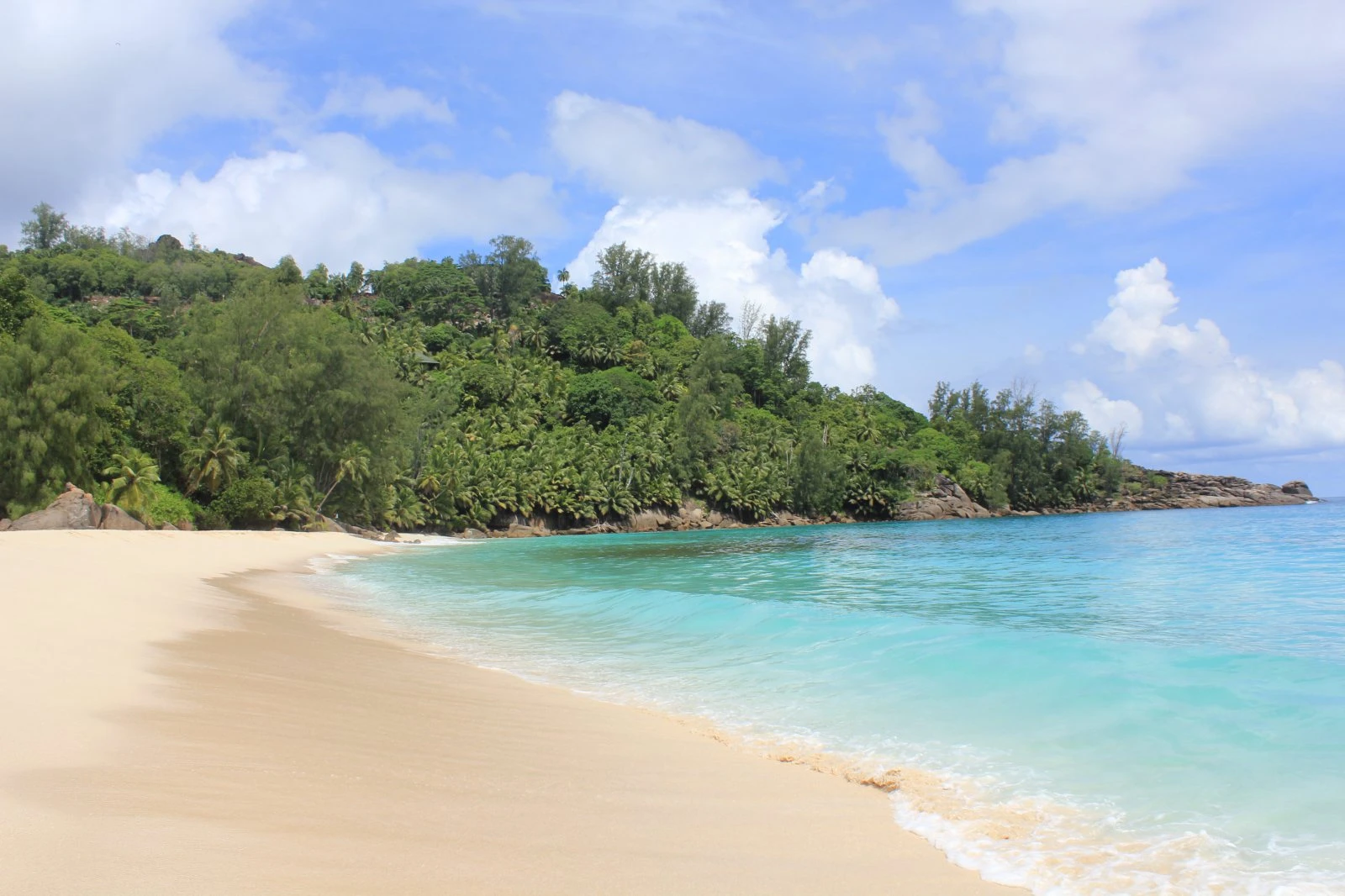
If people could create paradise for themselves, it would probably look just like this. The Seychelles, like pebbles that God tossed into a puddle of the Indian Ocean, form an archipelago covered in dense tropical vegetation and provide a permanent home to several tens of thousands of fortunate people, most of whom live very well from the money of wealthy tourists. They would manage even without it, as bananas and coconuts literally fall into the laps of people who are never hungry or cold and who can fish for an extra treat in some of the richest seas in the world. The equatorial sun shines on palms dampened by tropical showers, so it is no wonder that only here grow those with the largest nuts on the planet (Coco de Mer); they are joined by the largest fruits (jackfruit) and several hundred other endemic species. Those whom life has blessed with abundance have built homes on the islands: kings and princes, sheikhs, maharajas, as well as those without pedigree for whom capitalism fits like a glove. They wake up on the most beautiful beaches and, during tropical evenings, surrender themselves to the colours of the sun sinking into the Indian Ocean. We visitors can afford a week’s stay in this earthly paradise, at relatively rather high prices. Wonderful hotels with sandy beaches at their doors are available, and one can travel between the islands by yachts and scooters, small aircraft and helicopters. Walks through the rainforest from beach to beach are somewhat strenuous because of the high temperatures and humidity. There are no venomous snakes on the islands, only a few annoying spiders, while the largest bats flutter across the night sky; fittingly for paradise, however, they are only vegetarians.
Seychelles
Gallery
✦ This article was translated from the original with the assistance of an AI translation system.